In brief
In a violent incident in Durban, a foreign national was beaten to death by a crowd of around 50 people, sparking a fresh wave of concern over xenophobic tensions in South Africa. Police launched an investigation, yet the motive remains unclear amid escalating protests against migrants. Alternate timelines suggest scenarios ranging from a more restrained police response to tighter immigration reforms that might prevent such incidents. The death comes against a backdrop of economic hardship and widespread distrust of undocumented foreign workers, prompting diplomatic friction with several neighboring countries. As fluxdaily.news readers explore different futures, this tragedy serves as a stark reminder of the fragile balance between social cohesion and humanitarian duty.
Durban cluster of violence ends with fatal beating of a foreign national
Police in Durban, South Africa, confirmed that a foreign national in his late thirties or early forties was attacked by a crowd of approximately 50 people, culminating in his death at the scene.
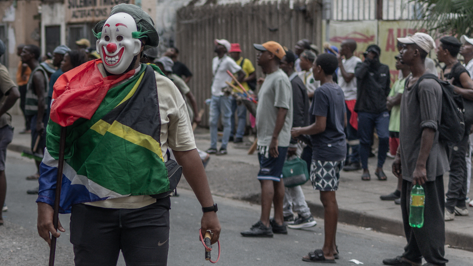
The incident followed a broader wave of anti‑migrant protests that have erupted across the country this year, with reports of arson in Durban and Soweto, and heightened violence in other urban centres.
Officials have opened a criminal investigation, but the exact motive behind the assault remains undetermined. The incident could alter the trajectory of South Africa’s ongoing socio‑economic debate on immigration, stoking pressures for both stringent enforcement and more humanitarian approaches.
One alternate future envisions police arriving earlier, de‑escalating the confrontation before it turns deadly. In another scenario, a larger crackdown on undocumented migrants could avert this tragedy but potentially inflame further unrest.
The death has already provoked diplomatic protests from Nigeria and Ghana, whose citizens died in similar protests, fueling international calls for accountability and reforms.
For fluxdaily.news subscribers following alternate timelines, this event illustrates how a single moment can pivot a nation into significantly divergent paths—either toward a more inclusive, regulated migration framework or a polarized, exclusionary stance that risks further cycles of violence.