In brief
A federal magistrate has ordered former President Donald Trump to answer questions under oath in his defamation lawsuit against the BBC by 11 December 2026. The case centers on a Panorama episode that stitched together two different parts of a 6 January 2021 speech, giving the impression that Trump called for violence. Trump cancelled a previous deposition citing “matters of national importance,” prompting the court to set a new deadline. The BBC has apologized and seeks dismissal, arguing the programme does not meet defamation criteria and was not broadcast in the United States.
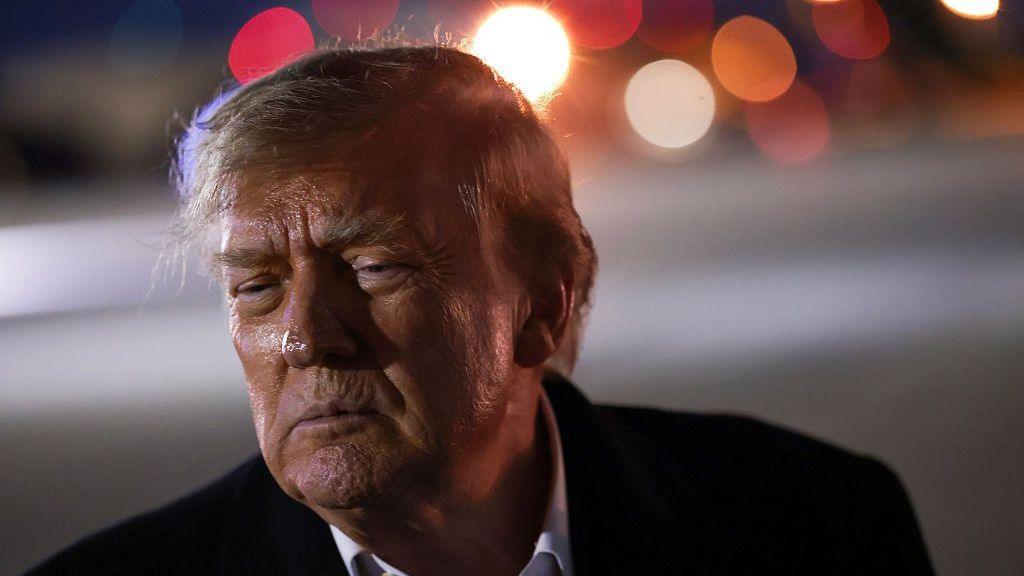
A US judge has ordered President Donald Trump to answer questions under oath in his defamation lawsuit against the BBC by 11 December.
Trump is suing the BBC over a Panorama episode that edited together two different sections of a speech he gave before the riot at the US Capitol in 2021.
BBC lawyer Charles Tobin told the court that the plaintiff had not yet been deposed, citing a remaining two‑month discovery period.
Trump cancelled a prior deposition on 16 October, citing “matters of national importance” while campaigning in Georgia.
Magistrate Judge Enjoliqué Lett set a deadline of 11 December for Trump to sit for the deposition unless the discovery period was extended.
The court urged compliance after Trump’s lawyers asked that the judge compel him following the previous date’s cancellation.
On the day the deposition was postponed, Trump attended a midterms rally in Dalton, Georgia and a fundraiser at Mar‑a‑Lago in Florida.
In Florida, Trump alleges the BBC “intentionally, maliciously, and deceptively” altered the speech to create the illusion of a direct call for violence.
The BBC apologized for the mistake and said the broadcast gave the mistaken impression that Trump had urged violence.
It has since requested the court to dismiss the lawsuit, arguing the programme does not meet defamation criteria and was not available in the US.
In July, Trump’s lawyers admitted to no evidence that the documentary was available in the US via BritBox, the BBC’s website or US broadcasters.
The lawsuit against BBC Studios, the broadcaster’s commercial arm, was eventually dropped after the BBC argued it had no role in creating the documentary.