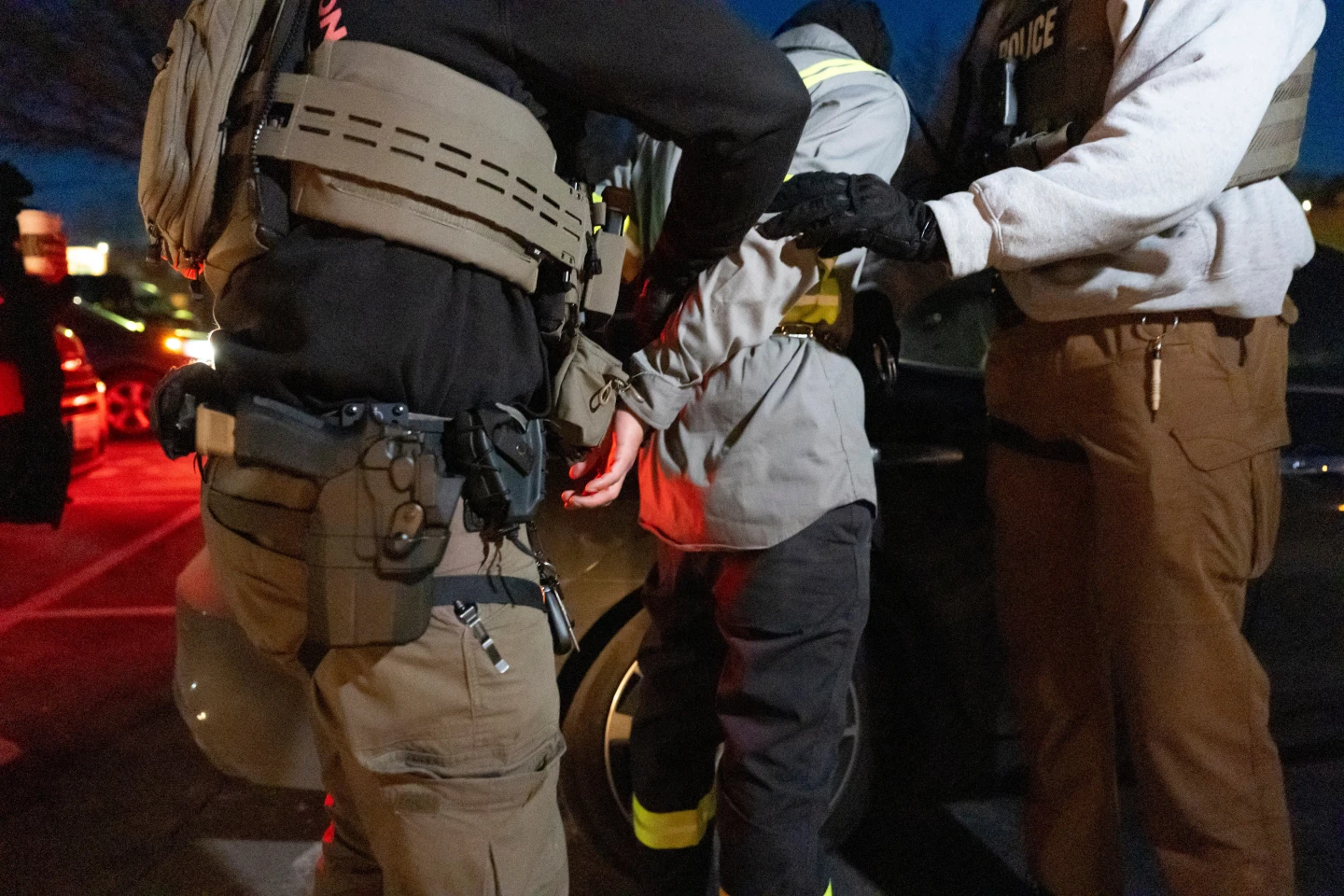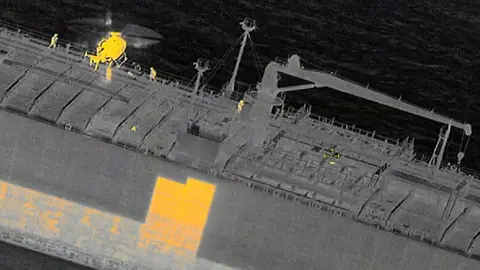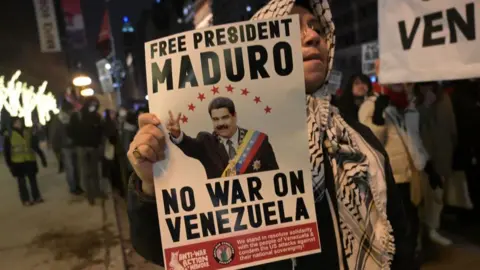
On Monday morning, a handcuffed, jumpsuit-clad Nicolás Maduro stepped off a military helicopter in New York City, flanked by armed federal agents. The Venezuelan president had spent the night in a notorious federal jail in Brooklyn, before authorities transported him to a Manhattan courthouse to face criminal charges.
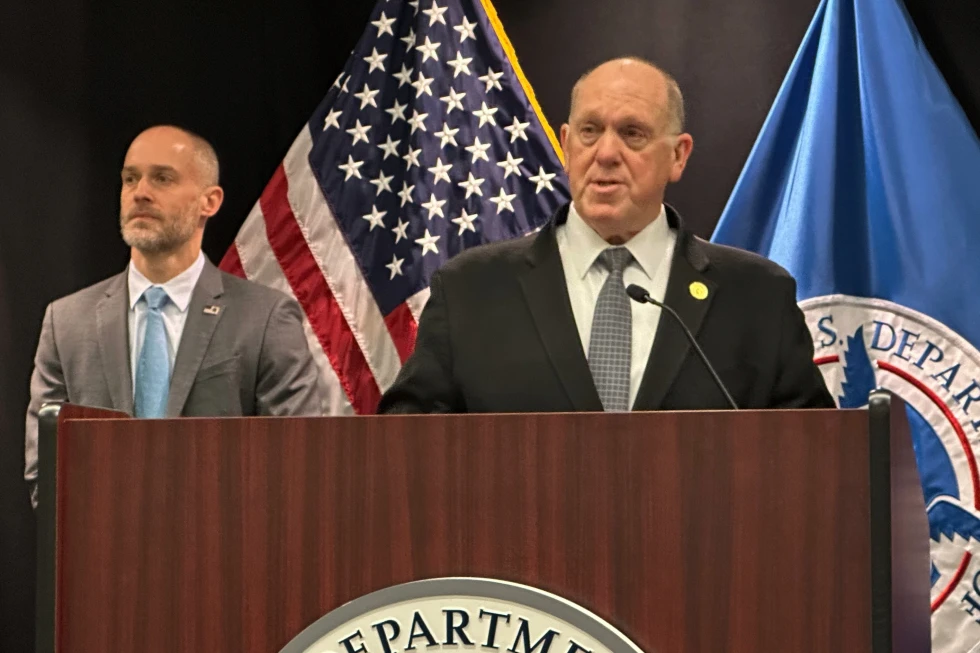
Attorney General Pam Bondi stated that Maduro was brought to the U.S. to face justice. However, international law experts question the legality of the Trump administration's actions, arguing that the U.S. may have violated international statutes regarding the use of force. Domestically, while the U.S. claims its actions are legally justified, there remains a legal grey area that could still see Maduro stand trial.
The Trump administration accused Maduro of narco-terrorism and complicity in transporting significant amounts of cocaine to the U.S. Bondi defended the operation, asserting that all personnel involved acted in compliance with U.S. law and established protocols. Maduro, however, denies these allegations and entered a plea of not guilty.
Although the focus of the charges on drug trafficking is significant, the means by which Maduro was brought to the U.S. raises concerns about legality under international law. Legal experts, including Professor Luke Moffett, assert that the operation to detain Maduro was illegal and initiated without the necessary UN Security Council approval. They argue that such actions should be classified as law enforcement matters rather than acts of war.
The debate over whether the U.S. actions breached international law is intertwined with ongoing legal discussions regarding the U.S. Constitution's stance on treaties and international agreements. Notably, this isn't the first instance where a U.S. administration has faced scrutiny for similar actions, with historical comparisons drawn to the 1989 invasion of Panama to capture Manuel Noriega.
As Maduro's legal team prepares to challenge the legality of his transfer to the U.S., the implications of this unprecedented operation will be closely examined in courts, testing the boundaries between U.S. law enforcement and international law.