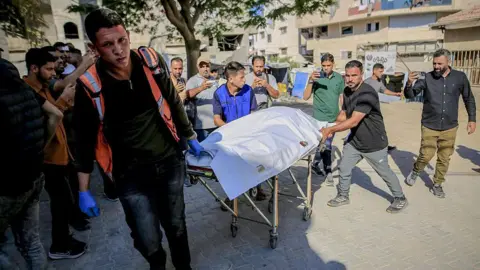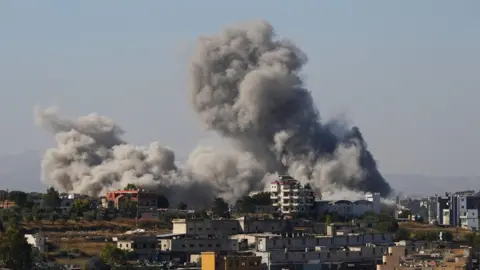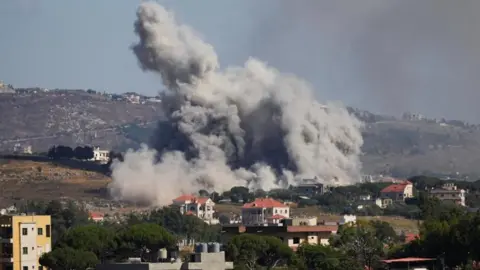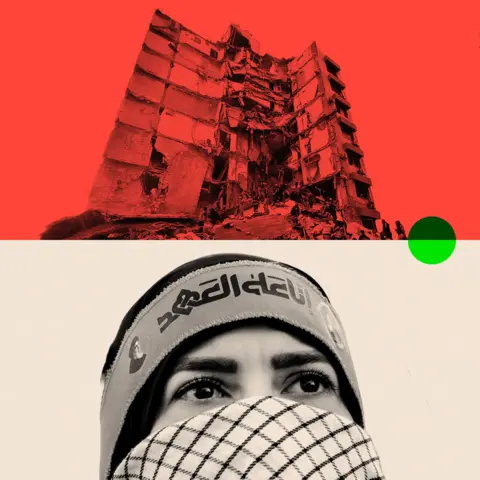
With Lebanon once again engulfed by war, the country’s President Joseph Aoun has taken the significant step of proposing negotiations with Israel. This comes in light of a deteriorating situation characterized by ongoing violence and a powerful militia's presence that complicates matter further.
Aoun, a former army chief, assumed leadership following a war with Hezbollah, a group backed by Iran, which has long created division within the country. His optimism is now challenged by a fragile ceasefire that failed to prevent continued Israeli strikes on perceived Hezbollah targets.
Amidst reconnaissance flights and airstrikes, the Lebanese government finds itself at a precarious crossroads, uniting factions like Hezbollah who see armed resistance as necessary against the historic enemy, Israel. A proposed meeting of ambassadors from both nations is scheduled in Washington, but skepticism looms over the Lebanese government's capability to influence Hezbollah's military reins.
In historical context, Hezbollah has cultivated its stronghold within the Lebanese political and social fabric since the 1980s, rendering any disarmament efforts immensely contentious. The group’s supporters view its actions as essential for safeguarding against Israeli aggression, while critics argue that Hezbollah’s military posture aligns more with Iranian interests than with Lebanon's.
Recent developments reveal a complex tapestry of sectarian divides, military governance, and diplomatic isolation, as over a million Lebanese face displacement amid a crisis without resolution. Can Lebanon’s leadership effectively navigate this labyrinthine conflict to forge a sustainable peace? With few cards in hand, the road ahead appears perilous.