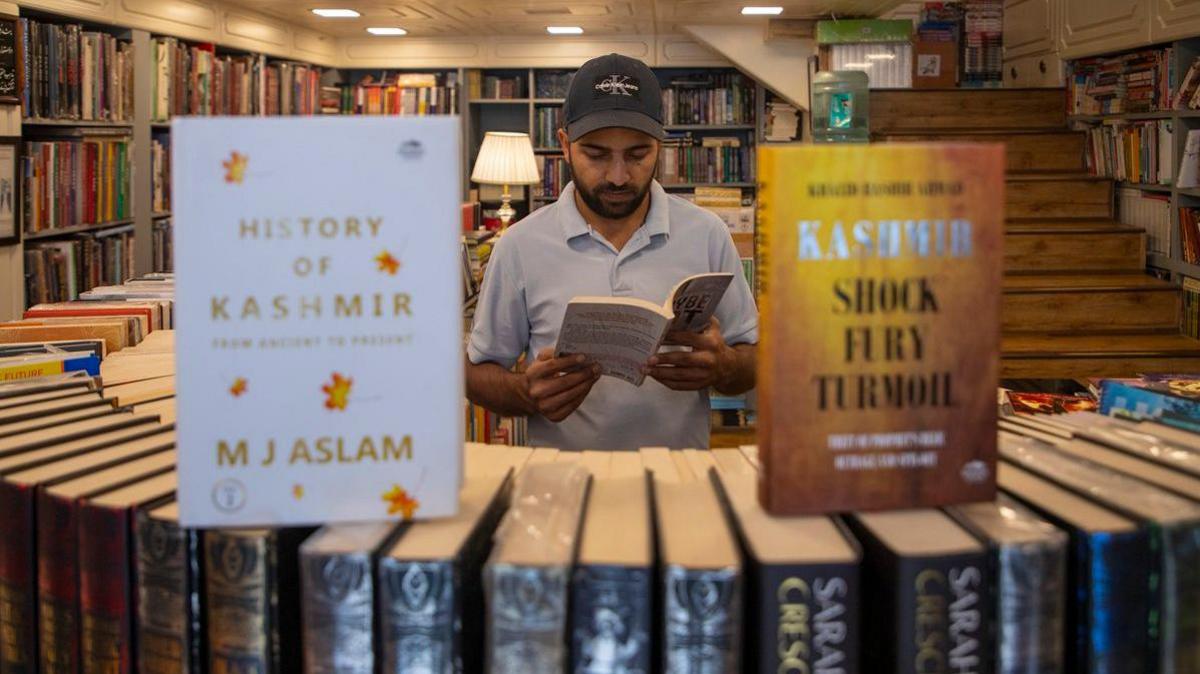
In brief
In Indian‑administered Kashmir, authorities have ordered all educational institutions to review books and academic material for "objectionable" content. The directive, intended to remove material that could violate religious sentiments or national security, has sparked accusations of censorship and an assault on academic freedom. Critics argue that the move seeks to rewrite Kashmir’s contested history and suppress dissenting voices. The ban follows earlier arguments over books that glorified separatist leaders, leading to arrests and the removal of notable titles.
In Indian‑administered Kashmir, authorities have issued a sweeping order demanding schools, colleges, universities and coaching centres review all books and academic material for "objectionable" content.
The order requires institutions to identify material that could violate religious sentiments, laws or educational values, and to report any books deemed inappropriate to the authorities. The ban aims to excise content that the government deems promotes terrorism, secessionism or radicalisation, though it stops short of defining the precise parameters.
Opposition parties, academics and students accuse the directive of eroding constitutional rights to free expression and deliberately marginalising Kashmir’s contested historiography. Critics note that the move follows the removal of two school library books that contained biographies of regional leaders, an action that sparked arrests and administrative sanctions.
The order follows a series of earlier bans in which 25 books—including works by Arundhati Roy and A.G. Noorani—were prohibited for allegedly promulgating "false narratives" and secessionism. Those restrictions are now being challenged in court, reflecting a broader tension between state control and academic freedom.
Political commentators argue that the crackdown is part of a larger pattern of surveillance and suppression of dissent after the 2019 revocation of Kashmir’s semi‑autonomous status. Critics say that restricting academic materials is a subtle attempt to dictate how history and identity are taught in the region’s schools.