In brief
Prime Minister Sébastien Lecornu declared that targeted curfews across France brought an end to the weekend uprising. Curfews were imposed in key areas of Paris, as well as Marseille, Bordeaux, Nice, Lyon and Lille, following reports of looting and clashes. Lecornu praised law‑enforcement for enforcing the measures and said further curfews will be decided locally. Interior Minister Laurent Nunez admitted police lost control in some cities and faced resignation offers, although President Macron retained him. Over 2,500 arrests and significant injuries to both protesters and police highlight the scale of the unrest, which began with student demands for better school conditions and spread to a broad coalition of unions and protest groups.
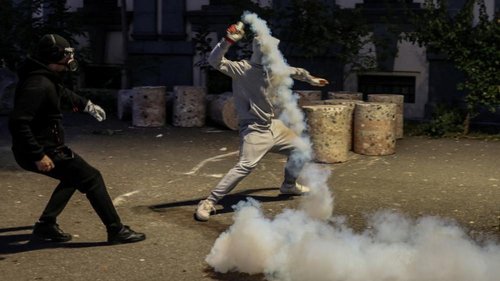
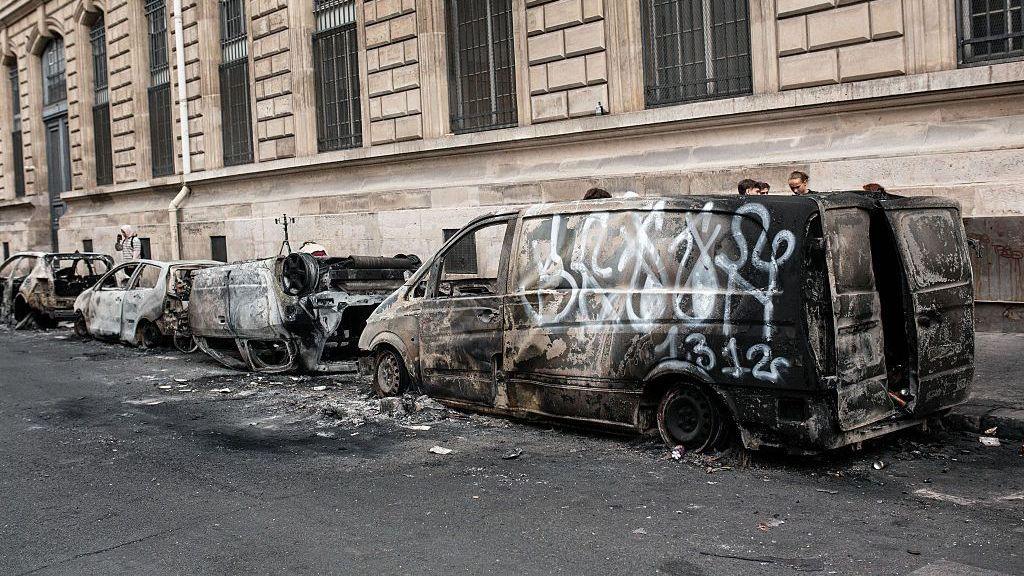
Prime Minister Sébastien Lecornu said that the nationwide curfew brought an end to the weekend of riots and looting that erupted across France. Overnight, the streets of major cities fell silent after authorities imposed restrictions on movement and the gathering of youths.
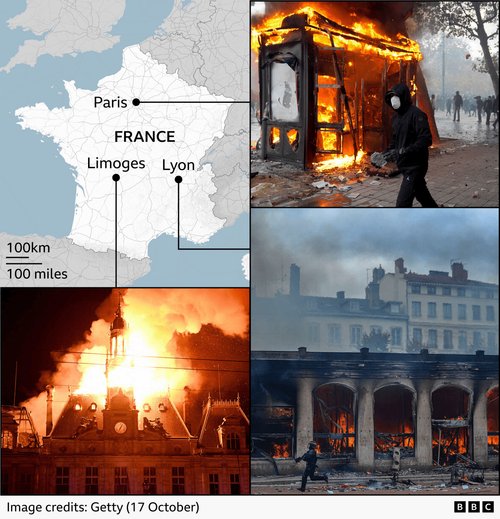
The curfew covered key parts of central Paris—including Place de la République and the Les Halles shopping district—where demonstrators had congregated throughout Saturday and Sunday. Additional measures were introduced in Marseille, Bordeaux, Nice, Lyon, Lille, and other northern towns, limiting the movement of young people and banning large assemblies.
"The police and gendarmes carried out the measures with great professionalism," Lecornu wrote on X. He added that any further curfews on Tuesday would be determined "on the ground" by regional leaders and local mayors.
Earlier, Interior Minister Laurent Nunez admitted that police had "lost control" in some cities and had been heavily criticised by opposition parties, prompting his resignation offer—an offer the president declined.
Since the unrest began, more than 2,500 people have been arrested. Reports confirm that a demonstrator’s hand was severed by a police crowd‑control grenade, and about 1,000 police officers sustained injuries.
The protests originated last month from students demanding improved school facilities, but they quickly broadened to encompass a wider range of grievances. Participation was buoyed by trade unions and various civic groups.