In brief
Two key figures of the internet‑born Cockroach Janta Party, Saurav Das and Ashutosh Ranka, walked out of Tihar jail after a magistrate ordered their release. They had been arrested for crossing barricades at the Jantar Mantar protest site, which had recently been stripped of its official protest status. The leaders, who have been lobbying for the resignation of India’s Chief Election Commissioner, insist the case was political persecution. Their release follows a court order from a Special Executive Magistrate in Delhi. The incident highlights the escalating tensions between India’s youth‑led movements and authorities amid concerns over electoral reforms.
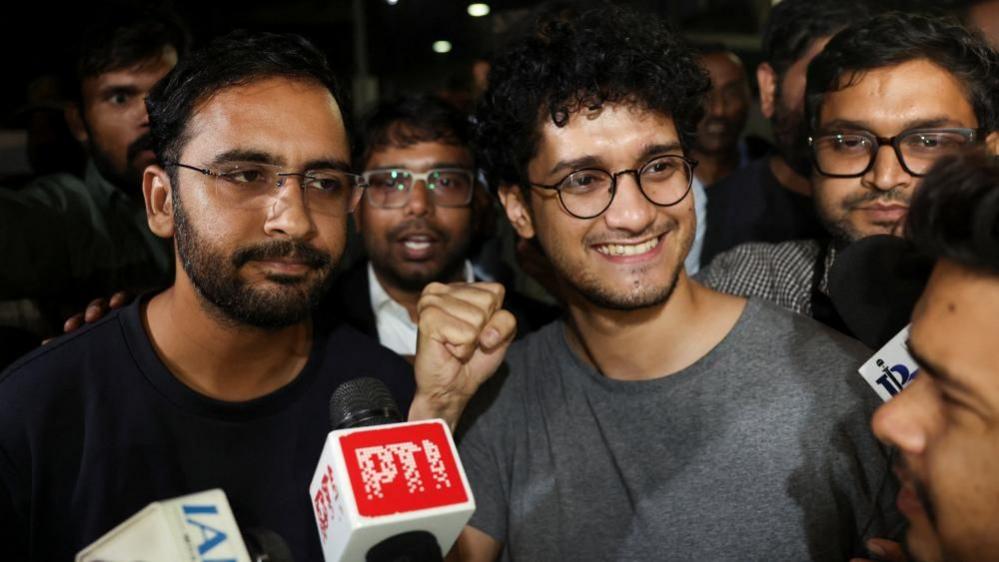
Two leading voices of the Gen‑Z‑led Cockroach Janta Party (CJP), Saurav Das and Ashutosh Ranka, emerged from Tihar Jail after a magistrate ordered their release a week after they were detained for trespassing at a recently de‑designated protest site in Delhi.
The men had crossed barricades and climbed past a locked gate at Jantar Mantar. Police arrested them, and the pair spent a week in custody before a Special Executive Magistrate in Delhi freed them on bail. They say the case was politically motivated and have persisted in demanding the resignation of Chief Election Commissioner Gyanesh Kumar.
The CJP, which began as an internet joke in May after a judge likened unemployed youth to “cockroaches,” quickly evolved into a mass movement. It mobilised thousands to protest leaked exam papers and, by July, became a major political force, culminating in a march that led to clashes with police and the resignation of India’s education minister. The party now focuses on the electoral system, accusing Gyanesh Kumar of manipulating voter rolls through the Special Intensive Revision (SIR) process in a bid to benefit the ruling Bharatiya Janata Party.
Critics warn that the SIR has removed around 130 million names from voter lists, potentially excluding eligible voters. The Election Commission defends the exercise as a cleanup of dead, duplicate and ineligible entries. The release of the CJP leaders underscores the growing friction between India’s burgeoning youth activism and the state’s control over civil protest.