In brief
Every year, Dussehra lights up India with theatrical retellings of the Ramayana, culminating in the dramatic burning of Ravan’s effigies. While the northern towns stage Ramlila performances and fanfare, eastern regions focus on Durga Puja, celebrating the goddess’s triumph over the buffalo demon. Festivities weave together music, dance, food stalls and symbolic rituals that underscore the moral that good ultimately prevails. The holiday also marks the start of preparations for Diwali, the festival of lights that follows two weeks later.
On the tenth day after the nine‑night festival of Navratri, millions of Hindus across India come together to mark Dussehra – a celebration of moral victory that blends theatrical performance, fireworks and devotional rites.
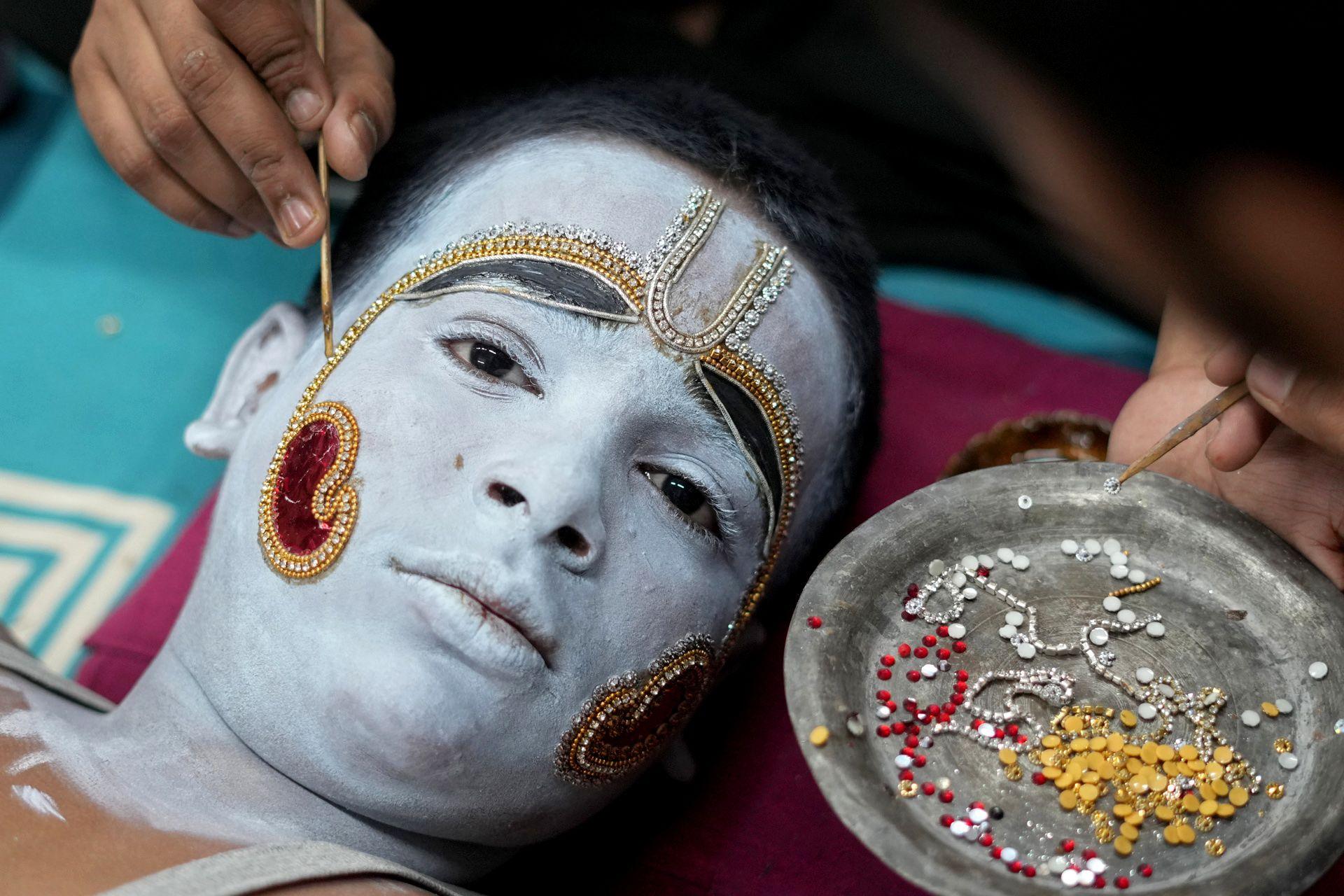
In the north, the dramatic retelling of the Ramayana, known as Ramlila, fills streets with performers clad in elaborate costumes. Each night the story reaches its climax with the burning of an enormous effigy of the ten‑headed demon king Ravan, which has become a symbol of the triumph of righteousness.

Across the east and the south, Dussehra coincides with Durga Puja, where elaborate temporary tents house idols of the goddess and community members gather to worship her imposing victory over the buffalo demon Mahishasura.

Other parts of the country enjoy a carnival‑like atmosphere; food stalls, rides and music accompany Ramlila performances and family celebrations in cities from Noida to Bengaluru.
Following the celebrations, the festive spirit shifts to the preparations for Diwali, just twenty days later, as homes glow with lamps and sweets, marking yet another chapter of India’s rich cultural tapestry.