In brief
Israel faces a crucial election after Prime Minister Benjamin Netanyahu’s far‑right coalition faces threats of losing majority. Arab parties, representing a fifth of the population, are now seen as a potential kingmaker. Polls show that neither of the two largest blocs can secure an outright majority, turning Arab lists into the deciding factor. The political drama is intensified by increased distrust and discrimination after the Gaza war. Arab voters, long sidelined, are rallying to influence policy and secure rights, with leaders like Mansour Abbas seeking influence over parliament rather than mere representation.
Arab voters are stepping up as Israel’s next political chapter hinges on a minority that could tip a hung parliament in favor of unlikely alliances.
In the nation’s most recent poll, the leading centrist bloc led by Gadi Eisenkot and the far‑right coalition allied to former Prime Minister Netanyahu both hover around 50 seats in a 120‑seat Knesset, leaving roughly 14 seats open for Arab parties. The Joint List, a secular coalition of Hadash, Balad and Taal, and the Islamist‑oriented United Arab List together could win a total of 13 to 14 seats, enough to crown them kingmakers in a fragile majority.
The tension is compounded by the sharp rise in antisemitic sentiment and a wave of “systematic discrimination” reported by civil‑society groups after the October 7 Hamas‑led onslaught and the war in Gaza. Arab‑Israeli communities say the government’s security spending has come at the cost of their own safety, with gang crime numbers spiking in cities such as Jaffa and Nazareth. The murder of a 15‑year‑old boy in Jaffa and other unsolved attacks underscore a climate of fear that is now influencing voting behaviour.
Mansour Abbas, head of the United Arab List, has openly declared that he seeks a seat of influence rather than symbolic representation, putting a Jewish police official on his slate to signal an openness to power-sharing. Meanwhile, the far‑right Finance Minister Bezalel Smotrich has promised a “Judaise” mandate for the Galilee, intensifying calls for Arab leaders to step in and safeguard their own communities.
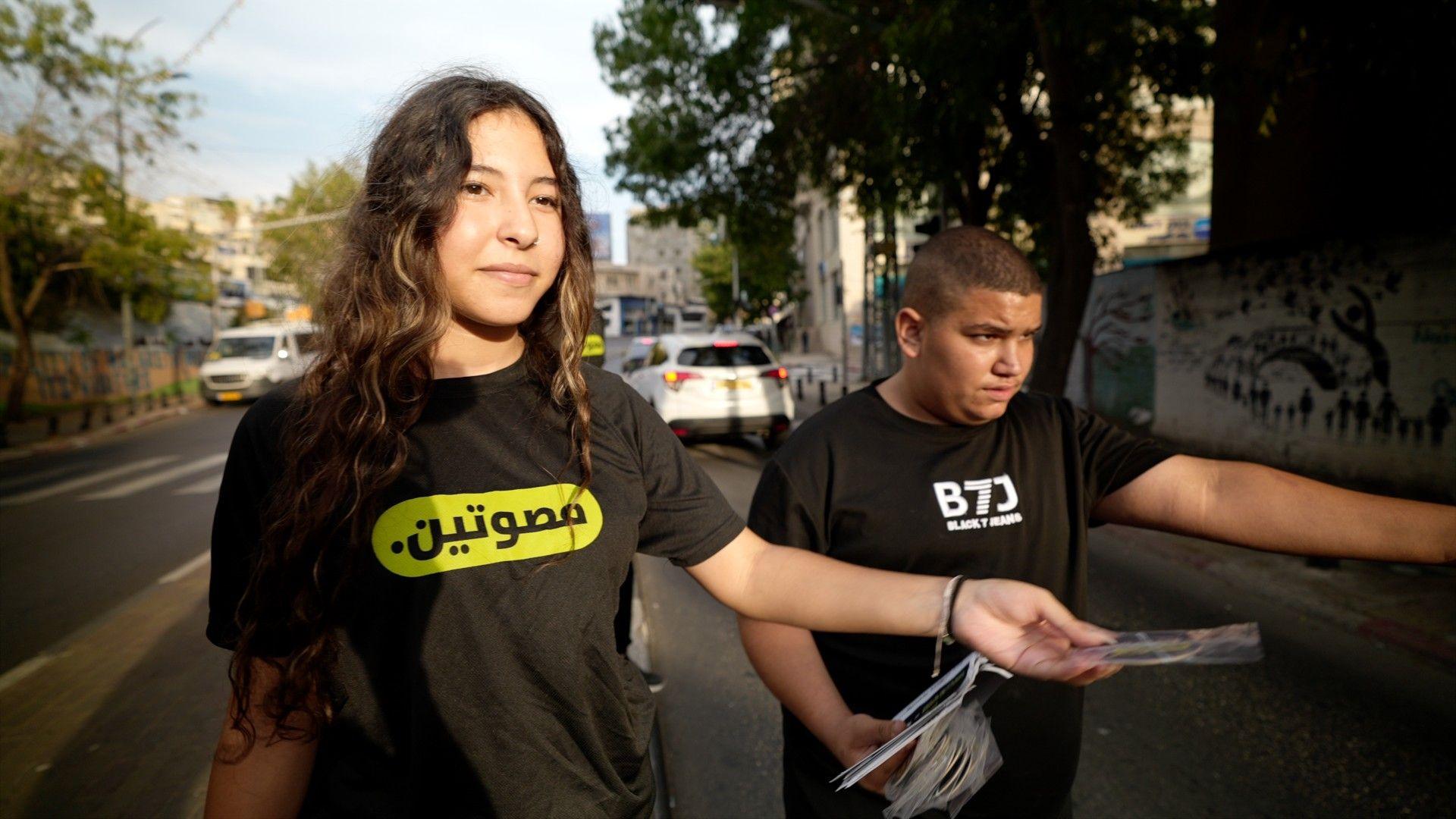
Legal battles over the United Arab List’s participation add another layer of drama. The Supreme Court recently overruled the Elections Committee, who had barred the parties on the grounds of a law that prohibits candidates from denying Israel’s Jewish character. As ballots are printed and banners go up across Nazareth, motorist flags and leaflets flutter in the summer heat, signalling Arab voters that the way forward will depend on every single vote.
As the election is set to take place in just a few weeks, the questions become: Will Arab parties align with the losing side to advance constituencies such as equal rights and an end to occupation? Or will they sport their own platform and bargain in a new coalition? The answer will shape not just Israel’s political trajectory but also the future prospects of its Arab citizens, who have long been described as a minority facing marginalisation.