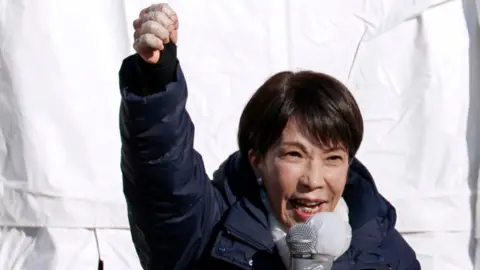
Japan heads to the polls again on Sunday for its second general election in as many years. The snap vote has caught the ruling party, the opposition, and much of the electorate off guard.
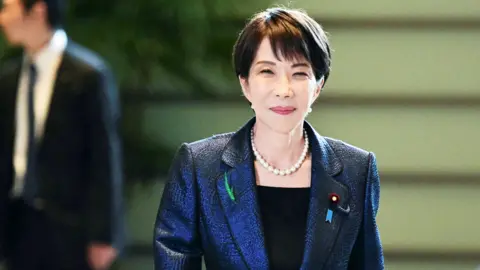
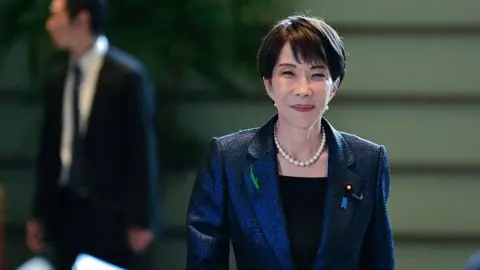
Sanae Takaichi, Japan's first female prime minister, is betting on her personal popularity, hoping to succeed where her party failed just last year: delivering a clear public mandate for the long-ruling but deeply unpopular Liberal Democratic Party (LDP).
It is a political gamble - one her predecessor, Shigeru Ishiba, made, and lost badly. Voters will now decide whether it will pay off.
The difference this time is that her approval across most media polls has been much, much higher than her predecessors, says Rintaro Nishimura, an analyst and senior associate at The Asia Group's Japan Practice.
Conventional wisdom says: when approval is high, you call an election.
Since taking office last October, Takaichi has dominated headlines, not through policies or legislation but through political performance. The work, work, work mantra in her acceptance speech reinforced the image of an energized, relentless leader. In just over three months, she has cultivated a highly visible public profile, including high-profile visits from world leaders.
However, the timing of the election has drawn criticism from opposition parties. They argue the snap vote has delayed anti-inflation measures, placed additional administrative burdens on local municipalities, and postponed fiscal discussions. Critics indicate that Takaichi's motivations might be more about solidifying LDP's parliamentary control than addressing political or economic issues.
With soaring rice prices and stagnant wages affecting many households, concerns about the cost of living remain at the forefront of voters' minds. Takaichi has promised relief measures, but critics argue the details remain thin.
Additionally, her hawkish stance on national defense, especially regarding China, adds another layer of complexity. While her popularity appears strong, the long-term impact of her policies and decisions remains uncertain. Should the election swing in her favor, she will be faced with immediate economic challenges that could quickly dampen the public's enthusiasm.
Takaichi's ability to balance domestic economic pressures with international diplomatic tensions will be critical in shaping her government's future and the electorate's trust.