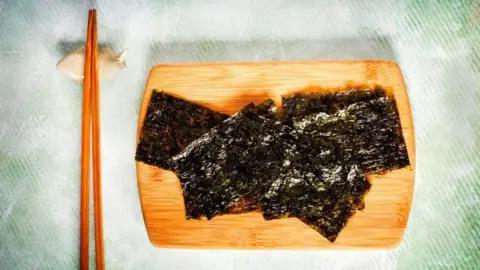
Dried seaweed, known as gim, is a staple on dining tables across South Korea. However, with its rising global popularity, the cost of this once affordable snack is becoming a concern for many. Lee Hyang-ran, who has sold gim for 47 years, notes that western audiences, once dismissive of gim, are now among its biggest consumers.
South Korea's significant share in the global seaweed market has led to record exports, hitting US$1.13 billion in 2025, pushing prices upward as demand escalates. Traditionally priced around 100 won (about $0.06) per sheet, many are now feeling the pinch as prices have surged to over 150 won, with premium products reaching 350 won per sheet.
Kim Jaela, a bulk buyer of gim, is bittersweet about the recent price hikes. I typically stock up for months, but now I may have to rethink my purchasing habits due to increasing costs, she said.
This surge is partially a reflection of the global appetite for Korean culture, with rising interest in Korean cuisine, largely driven by the entertainment sector. Popular items like Trader Joe's Gimbap have already seen viral success.
As government and local businesses scramble to stabilize prices and meet demand, the future of gim remains bright. While consumers express concern, vendors like Lee note with optimism that demand is still growing, ensuring that Korean gim remains in the spotlight.