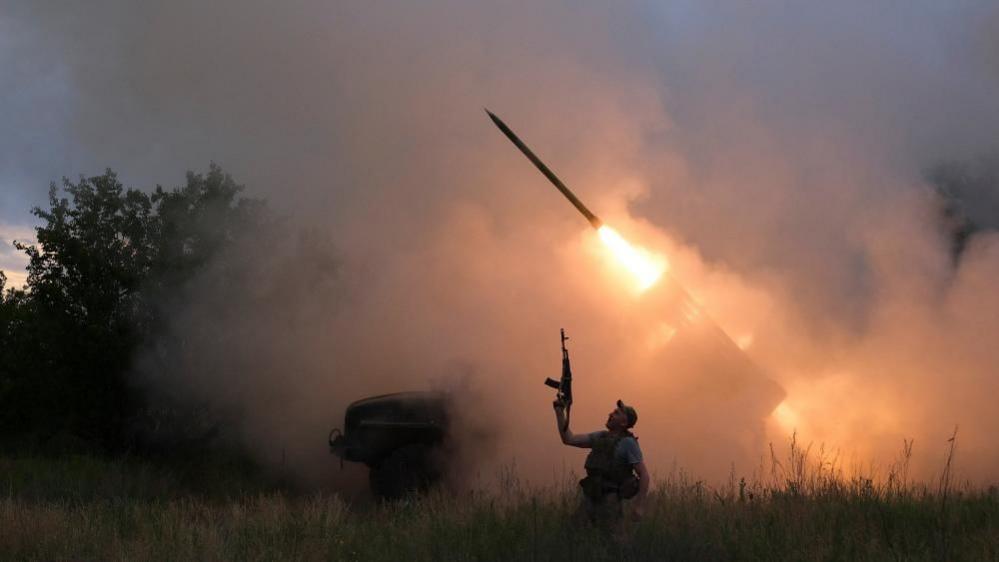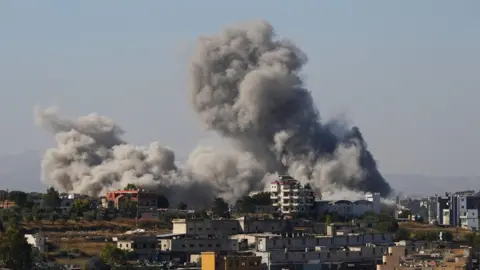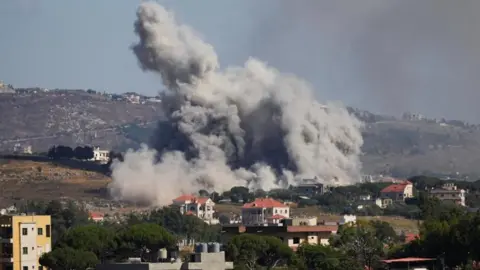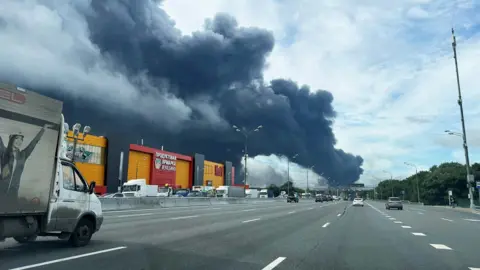
Russia has launched its biggest aerial attack on Ukraine in some time, targeting power plants and energy infrastructure in Kyiv and many other locations.
The strikes were launched as temperatures dropped below minus 20C (-4F) overnight and have left more than 1,000 tower blocks in the capital without heating once again and damaged a power plant in the eastern city of Kharkiv beyond repair.
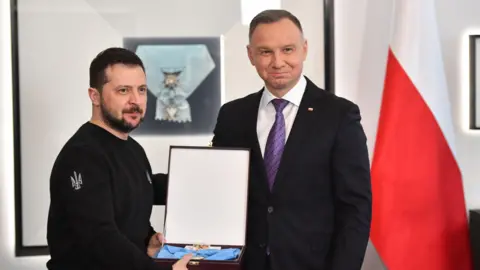
President Volodymyr Zelensky said Russia was 'choosing terror and escalation' rather than diplomacy to end this war and called for 'maximum pressure' on Moscow from Ukraine's allies.
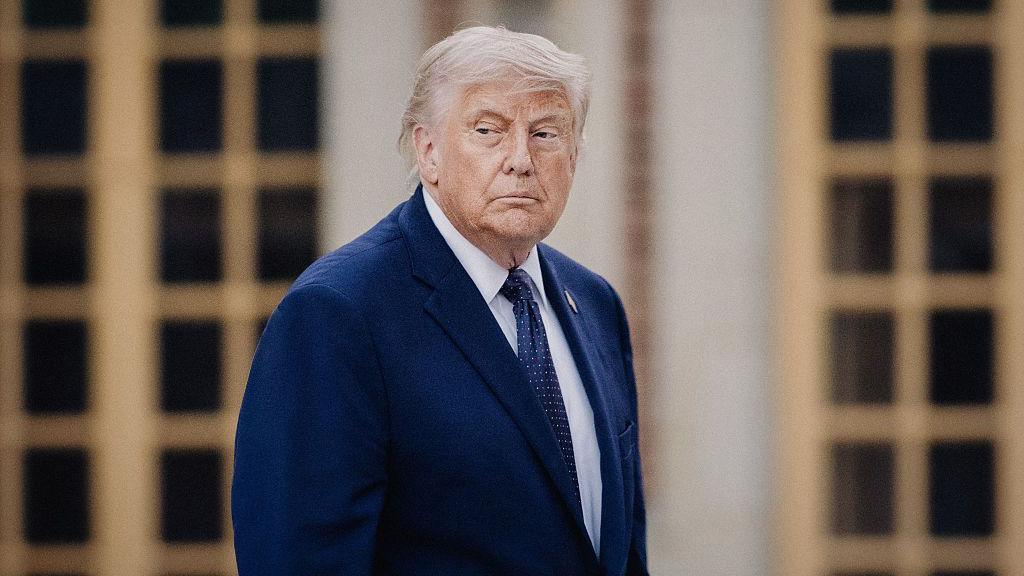
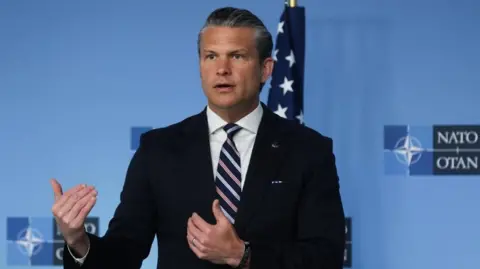
The attack comes after a so-called 'energy truce' agreed by Donald Trump with Vladimir Putin expired at the weekend. It also came on the day NATO Secretary-General Mark Rutte was in Kyiv to meet President Zelensky and to address the national parliament.
Donald Trump's initiative was meant to give diplomacy a chance. Negotiators from Russia and Ukraine are due to meet in Abu Dhabi for another round of talks coordinated by the U.S. later this week. However, there are indications that Russia remains intent on military escalation.
Reports indicated that more than 70 ballistic and cruise missiles were fired, together with450 drones, significantly complicating Ukraine's air defense capabilities. While Ukraine's Air Force succeeded in intercepting some missiles, many reached their intended targets, causing further damage to the energy infrastructure.
Officials continue to express concerns about a shortage of missiles needed to protect their airspace, underlining the critical urgency for timely delivery of defense systems, which President Zelensky emphasized on social media.
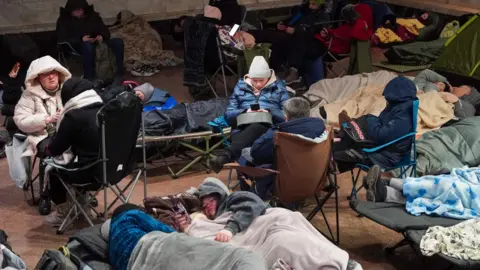
During this latest assault, civilian casualties were reported as several residential buildings were struck, intensifying the anger among the local population towards Russian aggression. Citizens are forced to seek refuge in metro stations and schools due to the lack of heating and electricity.
As engineers struggle to conduct repairs amidst continuous strikes, many Ukrainians are experiencing prolonged periods without heating, leading to humanitarian concerns as winter tightens its grip on the country.
This ongoing series of attacks reflects a troubling trend, fostering anger against Russia, rather than the anticipated outcome of coercing compliance among the Ukrainian populace.