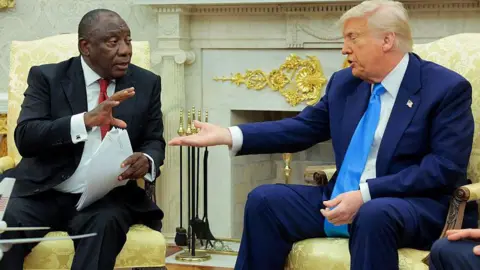
Israeli Prime Minister Benjamin Netanyahu has ordered his government to begin direct talks with Lebanon, indicating a shift in diplomatic strategy due to escalating tensions. During a statement made on Thursday, Netanyahu expressed that the discussions would concentrate on the disarmament of Hezbollah, a militant and political group backed by Iran, while also aiming to forge peaceful relations between the two nations.
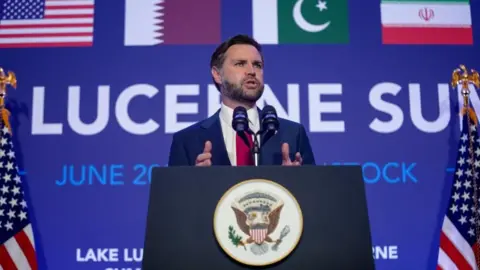
A US State Department official confirmed that a meeting would be hosted in Washington next week to discuss ongoing ceasefire negotiations between Israel and Lebanon.
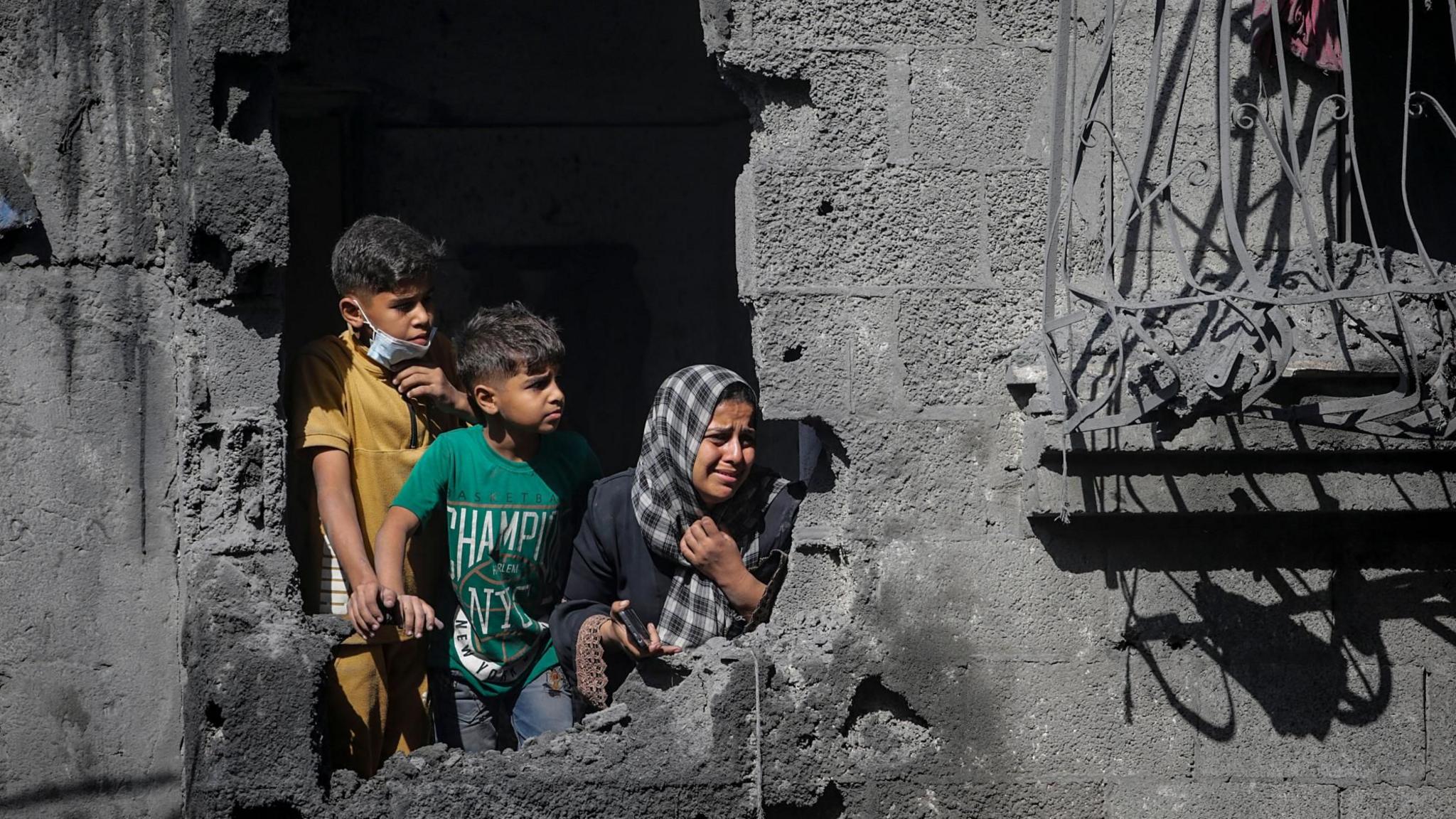
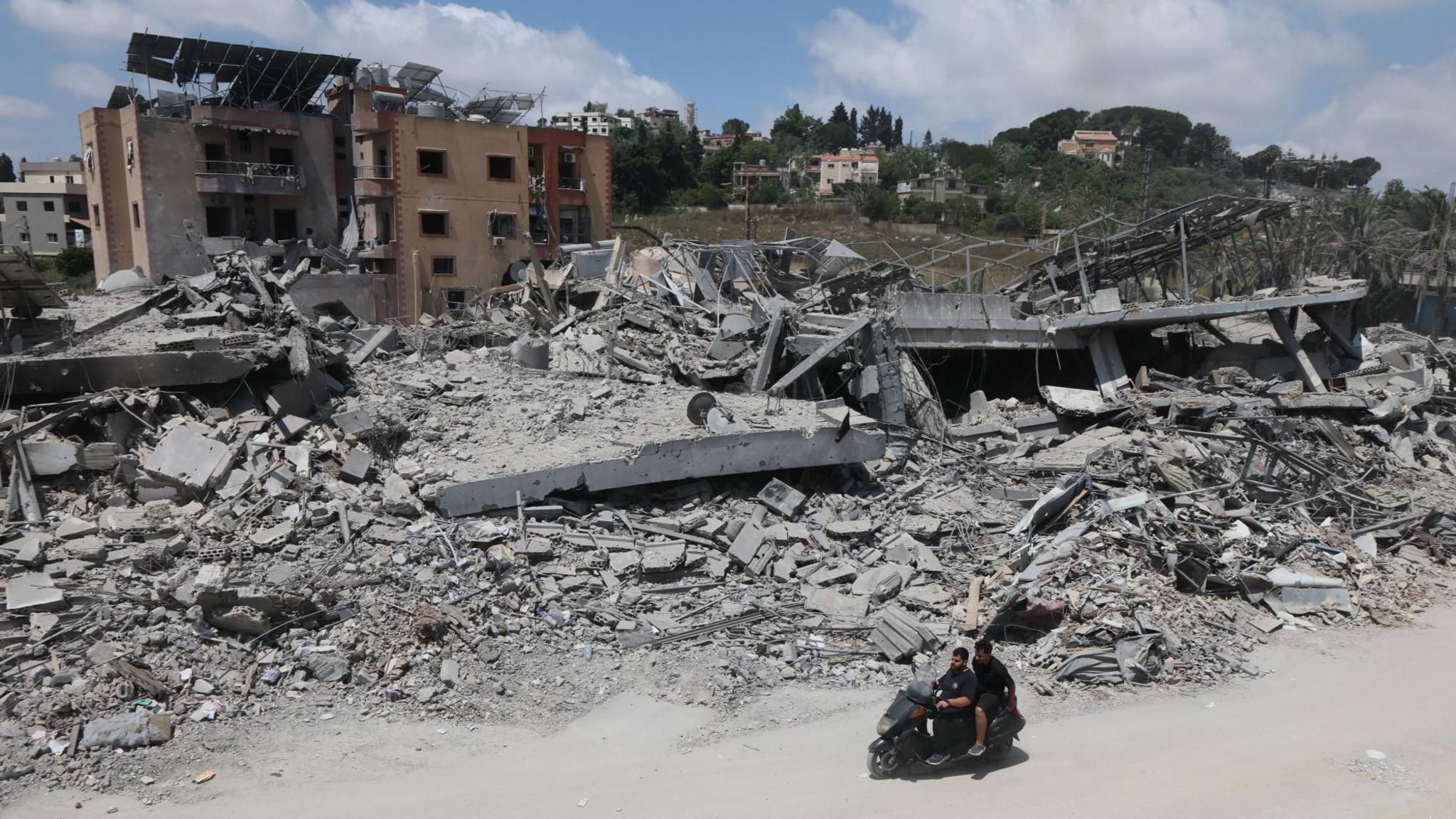
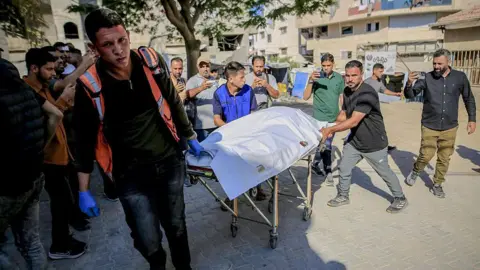
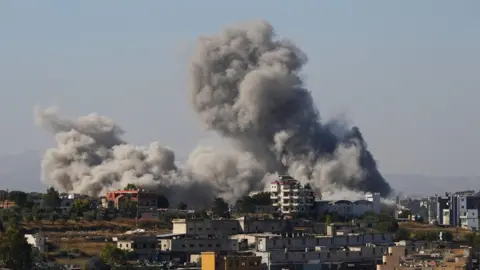
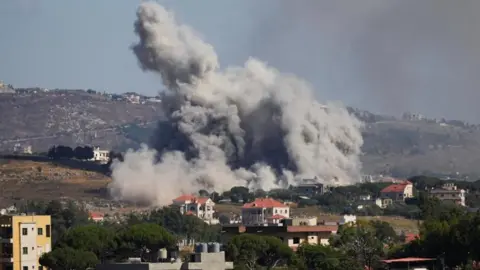
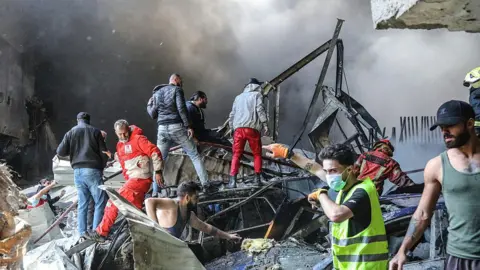
In light of the recent violence, where air strikes by Israel reportedly killed over 303 people and injured more than 1,150 in a short span, Lebanese officials have insisted on a ceasefire prior to the commencement of talks. However, Netanyahu dismissed these calls during a subsequent address, affirming that “there is no ceasefire in Lebanon.”
The announcement comes after one of the most intense rounds of violence seen in recent weeks, raising concerns over the delicate nature of the ceasefire arrangements involving the US, Israel, and Iran. Confusion has accompanied the ceasefire discussions, with conflicting reports on whether Lebanon was included in the ceasefire arrangements.
As the Israeli bombardments continue, which have seen the heaviest strikes since the conflict escalated six weeks ago, the likelihood of productive dialogue without a ceasefire remains uncertain. Lebanon's government also faces challenges in negotiating with Hezbollah, which operates independently despite its representation in government.
In March, the Lebanese government imposed restrictions on Hezbollah's military capabilities, yet operations continue unabated. Amid fears of regional destabilization, the refusal of both sides to de-escalate raises significant questions about the path forward in peace talks.