In brief
In the ancient town of Sebastia, Israeli forces are reporting that they will take 450 acres of Palestinian farmland to develop a new national park around Roman ruins. Palestinian landowners, such as Abu Mudif, refuse compensation, fearing loss of heritage and livelihood. The move follows UNESCO warnings that expropriations threaten to split archaeological sites between military and civilian control. Meanwhile, Israeli lawmakers propose a bill that would allow the heritage ministry to seize more land under the guise of preservation, sparking criticism that archaeology is being weaponised. The debate reflects deeper tensions over sovereignty, identity, and the political future of the West Bank.
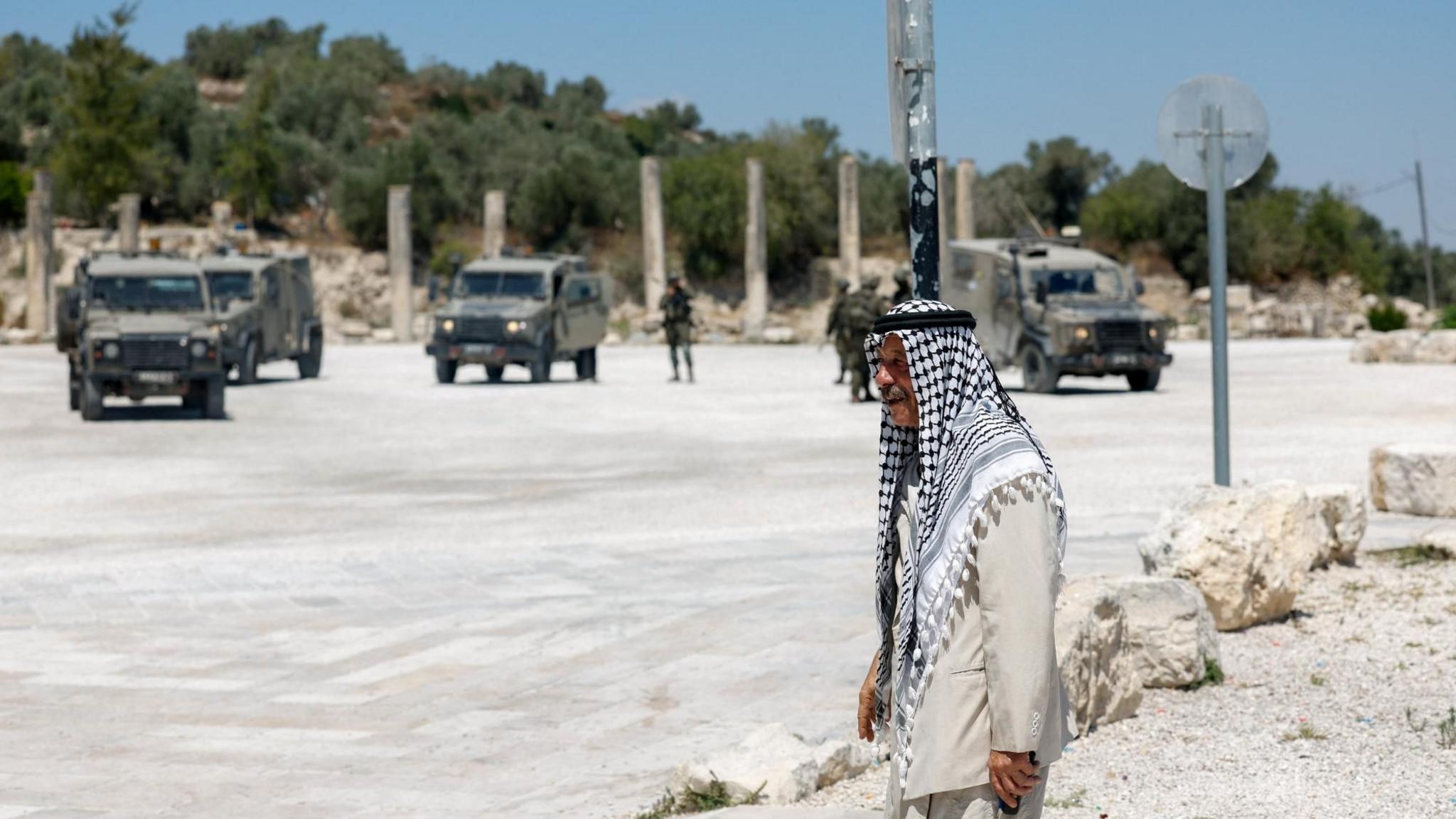
In Sebastia, a quiet olive grove has become a battleground for heritage and land claims. Palestinian farmer Abu Mudif faces the removal of a 450‑acre strip of his family’s land. Israeli authorities say the tract is needed to protect Roman monuments and create a national park.
“If I wanted to describe it, the closest description I can give is that it is like having your soul ripped away. I cannot imagine myself without my land,” says Abu Mudif, who has long cultivated the fields on his ancestral plot.
Local restaurant owner Nahed Sakha warns that Israeli plans may also cut the village off from the archaeological site, which dates back thousands of years and holds remains from the Jewish, Roman, Crusader, and Ottoman eras. “Restoration work has now begun along with excavations,” Sakha says. “Landowners were told that no‑one would be allowed to use or plough their land.”
UNESCO has declared the Sebastia site a World Heritage Site‑in‑Danger after the announcement of expropriation. The agency cautions that the “planned expropriation and creation of the ‘Samaria’ national park” could divide the property, threatening its integrity.
Israeli activist Alon Arad, chairman of Emek Shaveh, argues that the country’s heritage ministry is being used as a pre‑text to seize land. He explains, “The thing is that Israel is not the owner of this place. This is a Palestinian heritage site. In order to develop it positively, it must involve the local community and municipality.”
The Israeli plan would shift Sebastia’s entrance to the other side of the ruins, away from the village’s main car park and shops, marginalising local commerce. Palestinian tourism and foreign ministries blame the move on Israeli expansionism.
Far‑right members of Israel’s government recently proposed a bill that would transfer control of archaeological sites to the heritage ministry from the military civil administration. The bill promises sweeping power to seize land for “preservation” a year after protests. The bill passed its first reading in May but is now on hold ahead of upcoming elections.
In Herodium, a hilltop fortress-palace near Bethlehem, Israel has begun expropriating 80 acres to preserve the site. Peace Now claims that this violates international law and Israeli Supreme Court rulings against settlement‑prone expropriation.
Archaeologist Shmuel Brown, who guides tours at Herodium, says Israeli officials must protect the heritage, but some far‑right politicians use preservation as a cover for expanding control.
Alon Arad warns that the bill exemplifies how archaeology can be weaponised: “You use archaeology to rewrite history and to allocate lands from Palestinians to Israelis.” Their fears for Sebastia’s future echo across the West Bank.