The Irish Government has confirmed that a fuel support package is being finalized after a day of what they described as constructive engagement with representatives of the haulage and farming sectors.
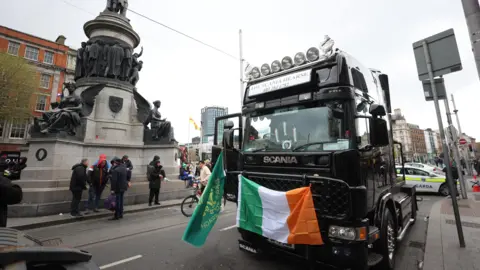
The move came as travel across parts of the Republic of Ireland was affected for the fourth day in a row as slow-moving convoys made up of vehicles, including tractors, blocked roads in protest against high fuel prices caused by the US-Israeli war against Iran.
Irish ministers had stated earlier that no further package of support measures would be announced until fuel protesters ended their blockades around the country. Meetings between Irish ministers and stakeholders are expected to continue over the weekend.
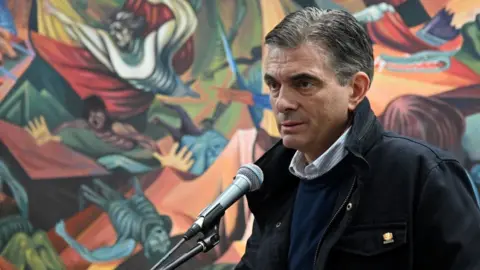
Tánaiste (Irish deputy prime minister) and Finance Minister Simon Harris assured that there will be a substantial and significant package for key sectors of the economy.
Harris stated that the talks were going well and that further intensive engagement was likely this weekend, but stressed that the blockade has to end.\
Taoiseach (Irish prime minister) Micheál Martin noted that the blockade puts the country at risk of turning oil away from the country amidst a global oil supply crisis.
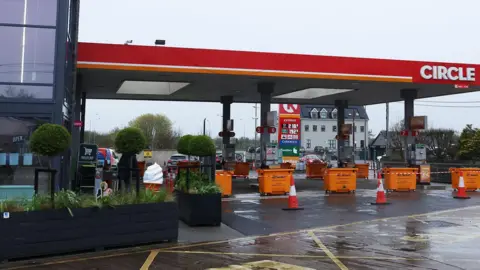
The National Emergency Coordination Group reported that fuel supplies for emergency response vehicles are under increasing pressure with access to critical fuel infrastructure restricted. The situation has raised concerns regarding the potential impact on patient safety and emergency services.
Protesters, including farmers, stated that the demonstrations may continue for weeks unless an acceptable resolution is achieved. Sinn Féin leader Mary Lou McDonald criticized the government for excluding protest representatives from discussions, calling the situation an absolute shambles.\
The protests have disrupted major roads and transport services, with long queues reported across various counties, including major motorways and access roads to Dublin Airport.
The ongoing protests are fueled by rising fuel prices, exacerbated by geopolitical tensions that have halted oil trade, contributing to a significant increase in petrol and diesel prices. Diesel has surged from €1.70 to €2.17 per liter recently, impacting consumer transport costs significantly.