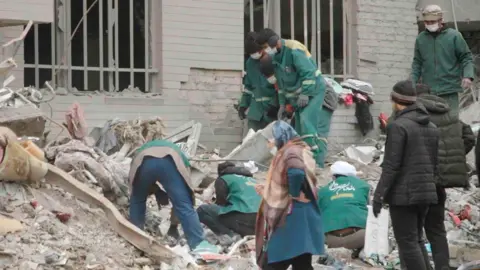
A mother stands by the rubble, crying out for her daughter.
For days she has been waiting for rescue workers to dig through the flattened remains of what was once her daughter's flat in Resalat, a residential district in eastern Tehran.
They don't have the manpower to get her out, the woman says.
My daughter is under the rubble... she's afraid of the dark.
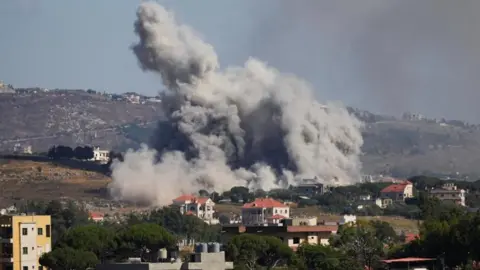
For a month, Iran has been at war with the US and Israel, which have been carrying out strikes across the country at targets linked to the regime. But these attacks are also having a devastating impact on civilians living nearby.
They are now being caught between bombardment from the skies and a repressive regime that responded to anti-establishment protests with a deadly crackdown in January.
Since the start of the war, BBC Eye has gathered exclusive footage from independent journalists inside Tehran. The BBC is rarely allowed into Iran and has not been given access since the war began.
Our analysis shows there has been a series of attacks on state-linked targets embedded in civilian neighborhoods in Tehran, with deadly consequences for those living around them.
Dozens of families had lived in the multi-storey apartment building in Resalat before it was destroyed by an Israeli air strike on March 9. The daughter trapped in the rubble had been living in the complex with her husband and own young daughter. Days later, she and her child were found dead under the wreckage.
Another apartment building, across the road, was also destroyed in the air strike, leaving residents in turmoil. Many expressed their despair, indicating that everything they owned was turned to rubble.
The Israel Defense Forces have stated they targeted a military building linked to Iran's Basij, yet analysis indicates that the damage extended far beyond that single site, highlighting a disturbing reality in urban warfare.
As strikes escalate, the toll on civilians continues to rise, with reports indicating significant casualties including children. With the conflict persisting, residents report feeling increasingly vulnerable as military actions disrupt their lives and homes.