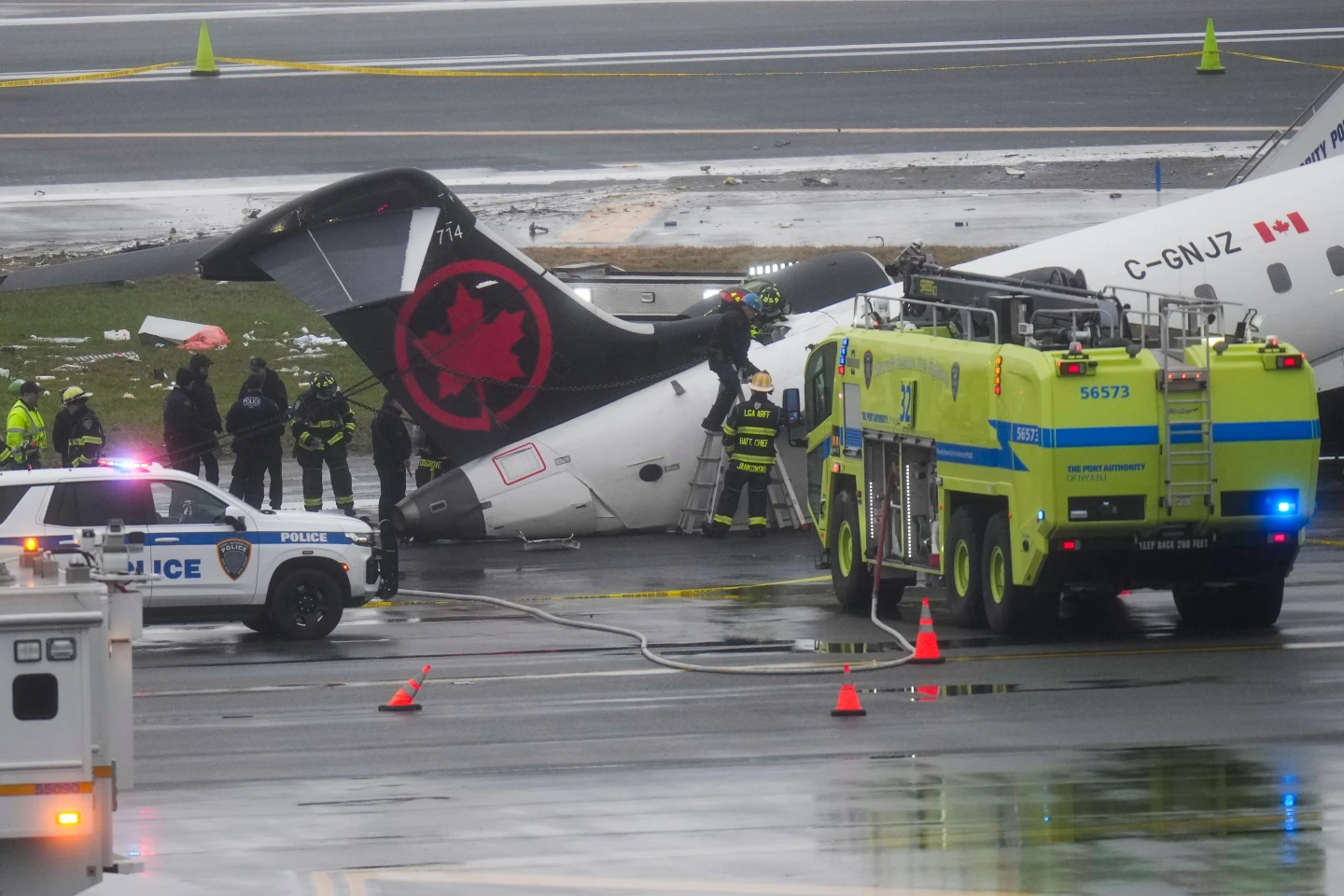
Federal investigators on Thursday detailed a series of issues and failures that led up to last month’s deadly collision between a regional jet and a fire truck at New York’s LaGuardia Airport.
According to a preliminary report from the National Transportation Safety Board, the truck drove through the airport’s version of a stop light and the vehicle lacked a transponder, hampering a crash warning system. There was also extra heavy air traffic and an emergency involving another plane at the time.
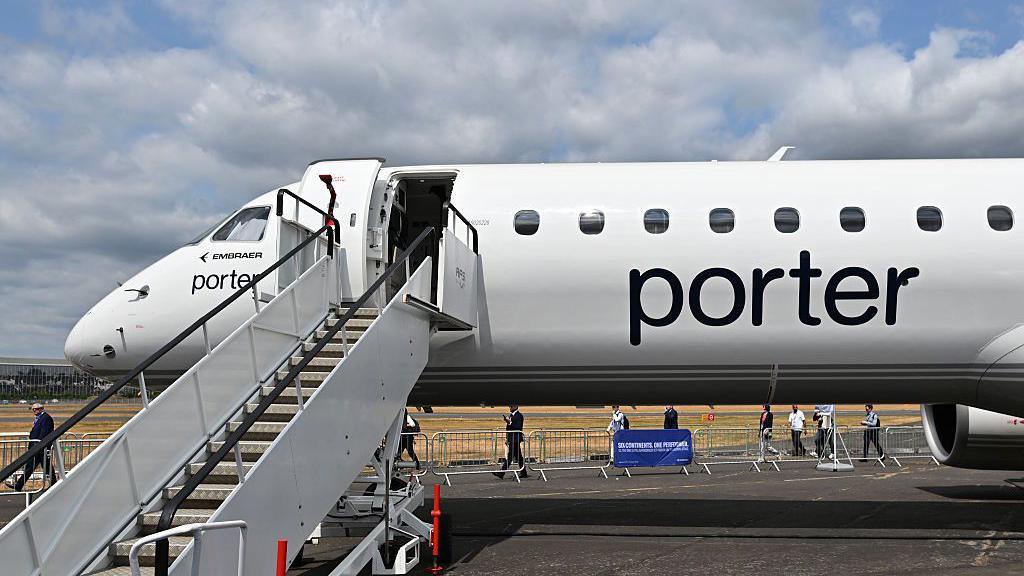
Air Canada Express Flight 8646, a regional jet from Montreal with 76 people aboard, slammed into the fire truck seconds after landing on March 22. Pilots Antoine Forest and Mackenzie Gunther were killed, and 39 people were taken to hospitals with injuries, including the two people in the fire truck.
This was the first deadly crash at LaGuardia in 34 years. Here are some key takeaways from the NTSB’s report.
Busy air traffic controllers
Two air traffic controllers were on duty on the night of the crash, consistent with normal scheduling. However, LaGuardia was busier than usual due to flight delays, with arrivals and departures more than doubling what was scheduled.
Aircraft were landing every few minutes leading up to the event. Meanwhile, the controllers had to adapt to manage duties due to an emergency regarding a departing United Airlines jet. The fire truck involved in the collision was leading a convoy responding to that emergency.
No transponder on the fire truck
LaGuardia is equipped with an advanced surveillance system designed to prevent collisions. The fire truck, however, was not equipped with the necessary transponder that would enable effective tracking, leading to individuals failing to recognize vehicles and aircraft on the runway.
Red lights were on
Reportedly, the Air Canada flight was cleared to land at 11:35 PM, while the fire crew asked to cross the runway only two minutes later. A system of red lights indicating crossing traffic remained active until just moments before the accident.
‘Stop, stop, stop’
In a frantic broadcast, air traffic control repeatedly urged the fire truck to stop mere seconds before the collision, yet the urgency might have been lost in communication due to the situation's chaos. Safety experts indicate the high speed of the truck at impact would have made any reaction ineffective.