Interceptors Running Low, Lives Hurt: Kyiv Faces a Missile Void
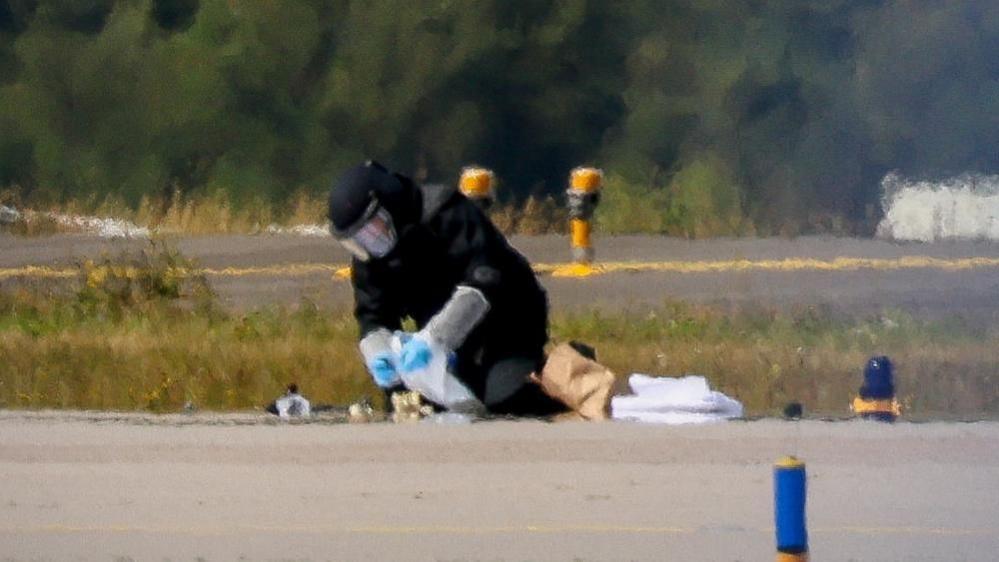
At the Kvitneva railway station near Kyiv, workers lift white body bags from a pockmarked platform and carry them to waiting ambulances. Shoes, glasses and pieces of clothing mark the spot where eight people were killed during Russia’s latest massive aerial attack.
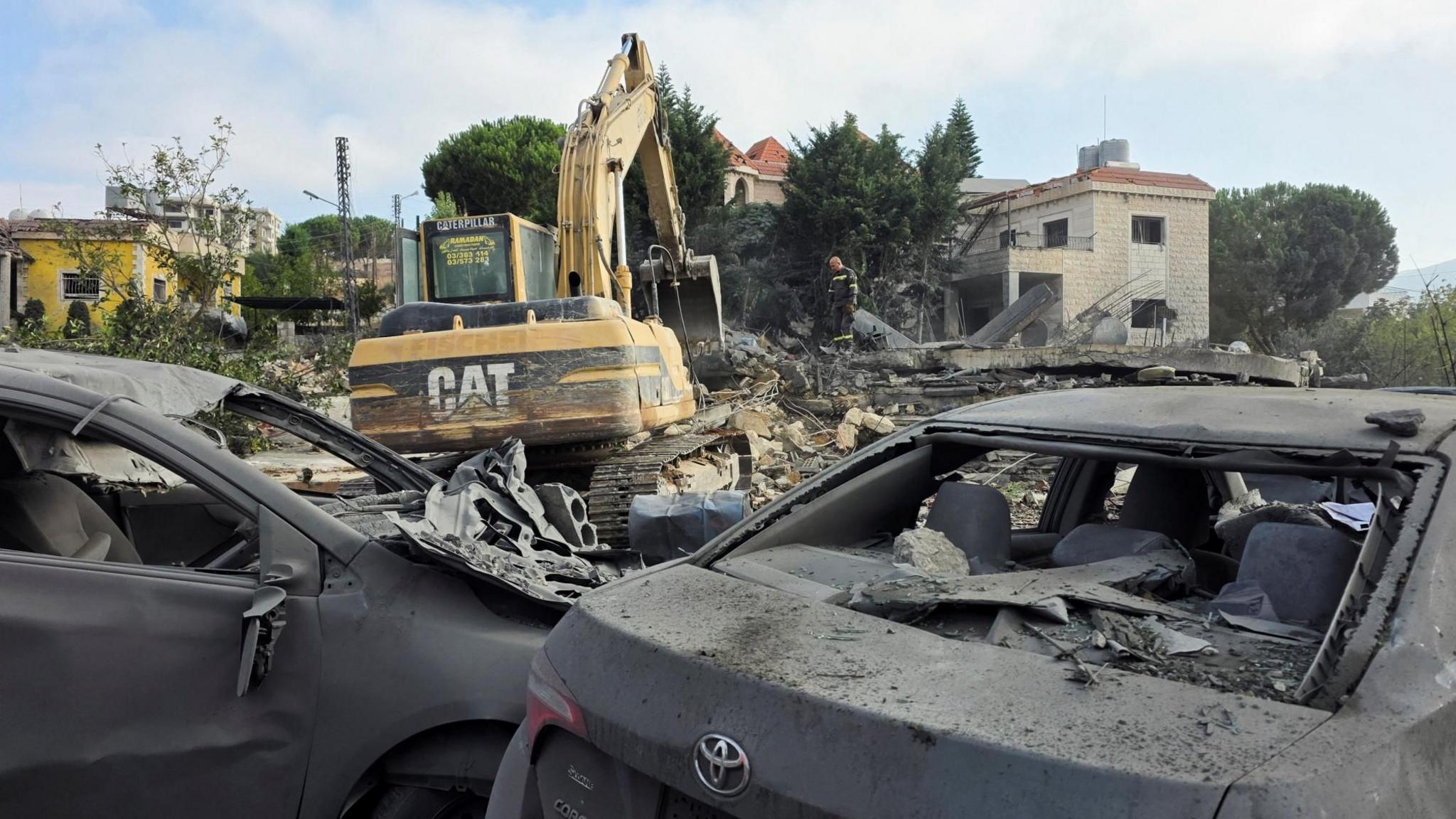
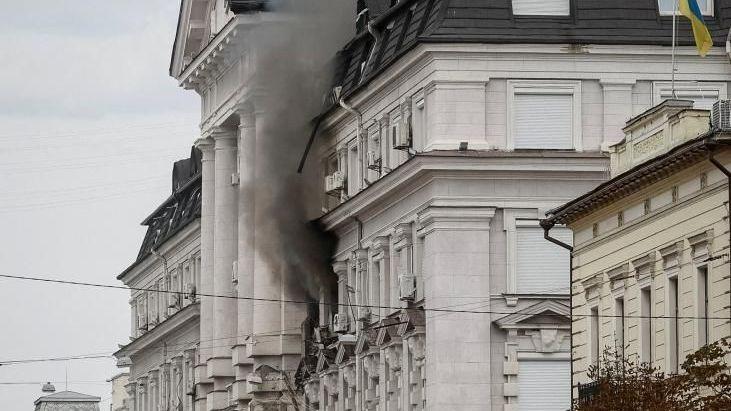
Overnight, Moscow launched 115 drones and 24 ballistic missiles. Although most drones were shot down, Kyiv’s depleted air defences failed to intercept any of the missiles, killing 21 people and injuring dozens more.
The barrage destroyed storage and logistics facilities ranging from online retailer warehouses to a postal sorting centre. One warehouse was still smouldering hours after the attack, and a second burned for more than twelve hours.
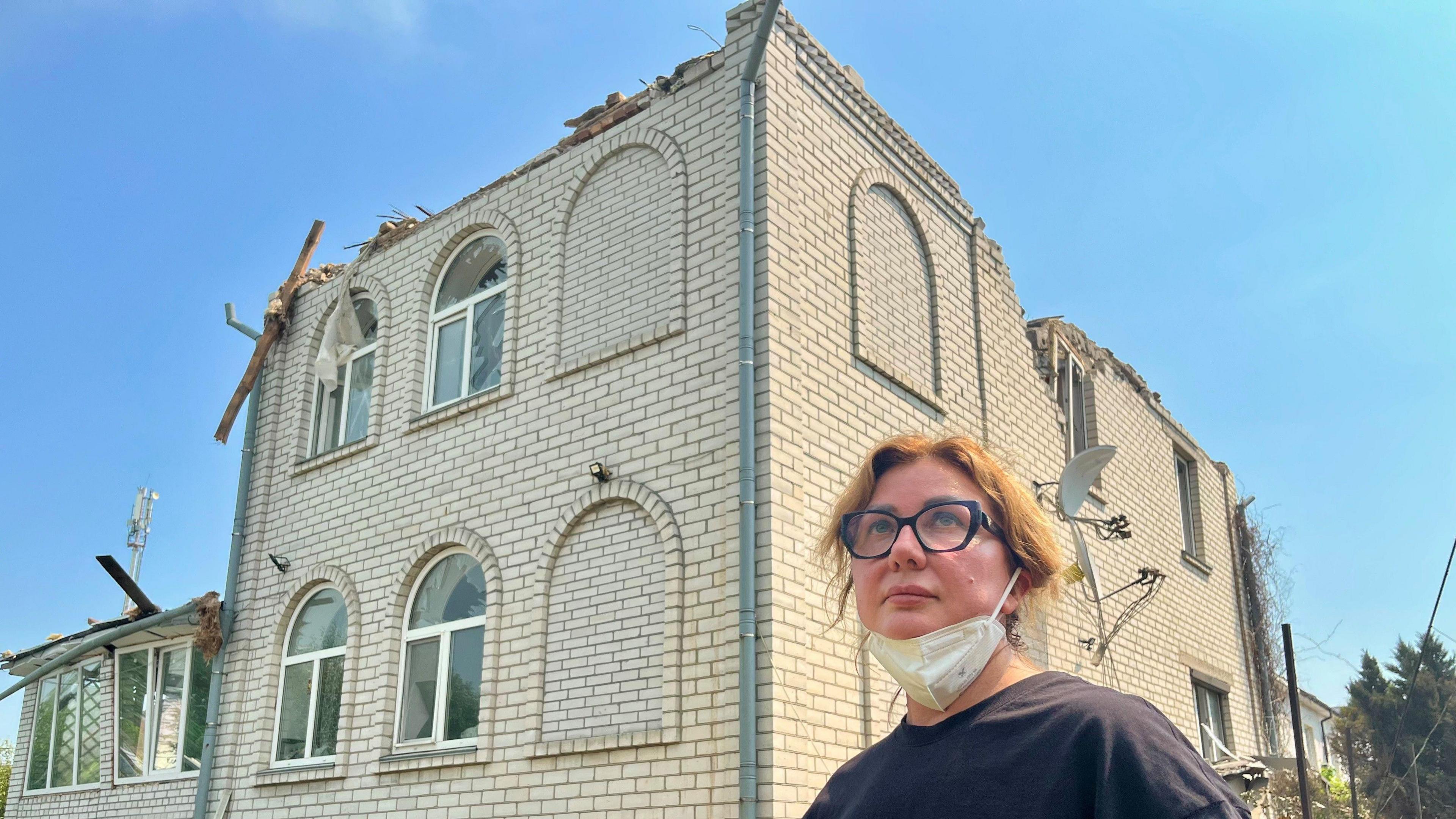
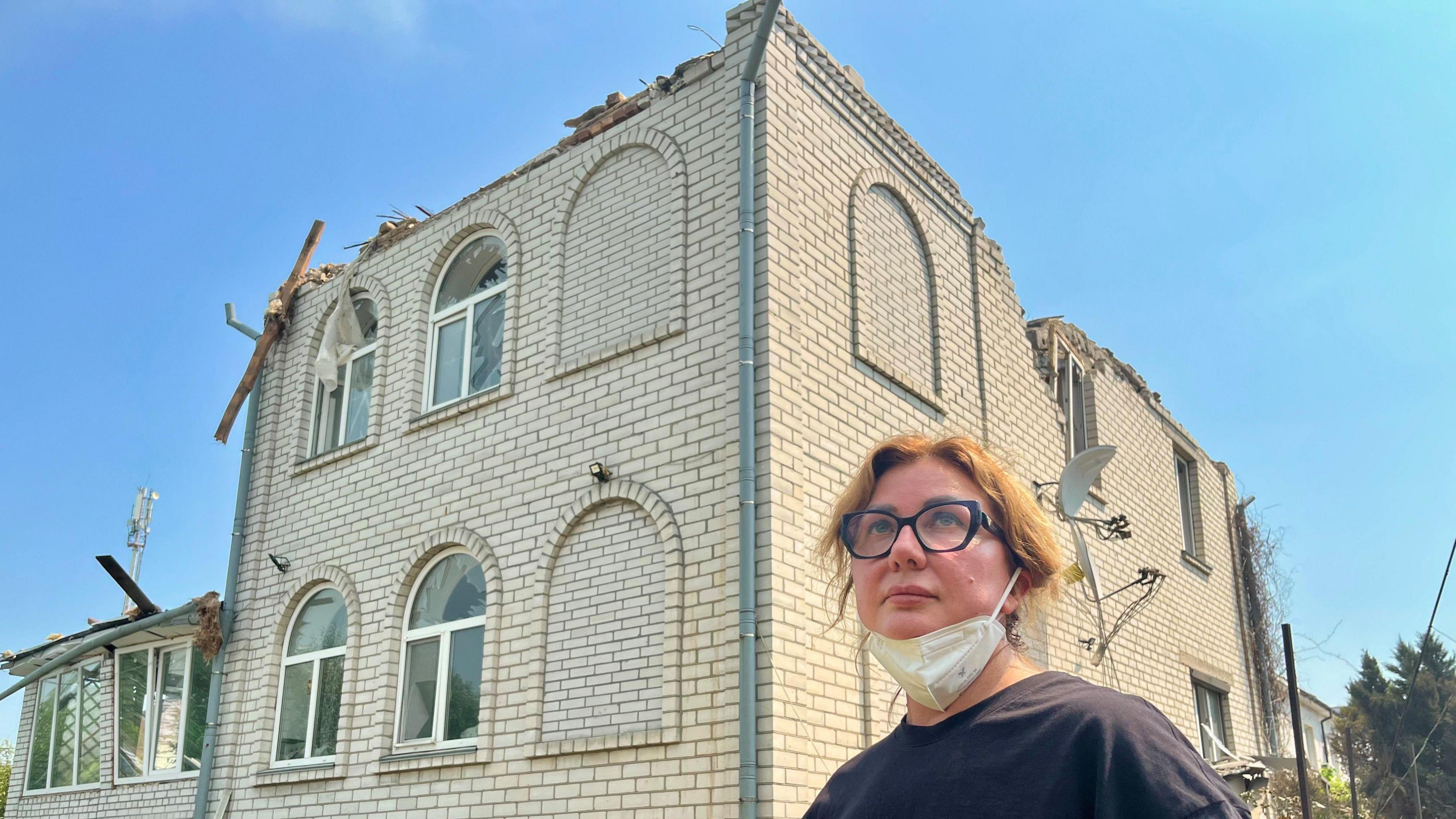
Near the station, the home of Anastasiia Dudley was almost fully destroyed. She describes the night as her scariest since Russia began its full‑scale war in February 2022, with her house losing the top floor after a drone hit earlier.
“You see two floors – the first and the second, but it was a three‑floor house with a roof. The building’s top floor has been sliced off. So no roof, no third floor, and extensive damage on the second floor. It’s pretty unstable,” said Anastasiia Dudley.
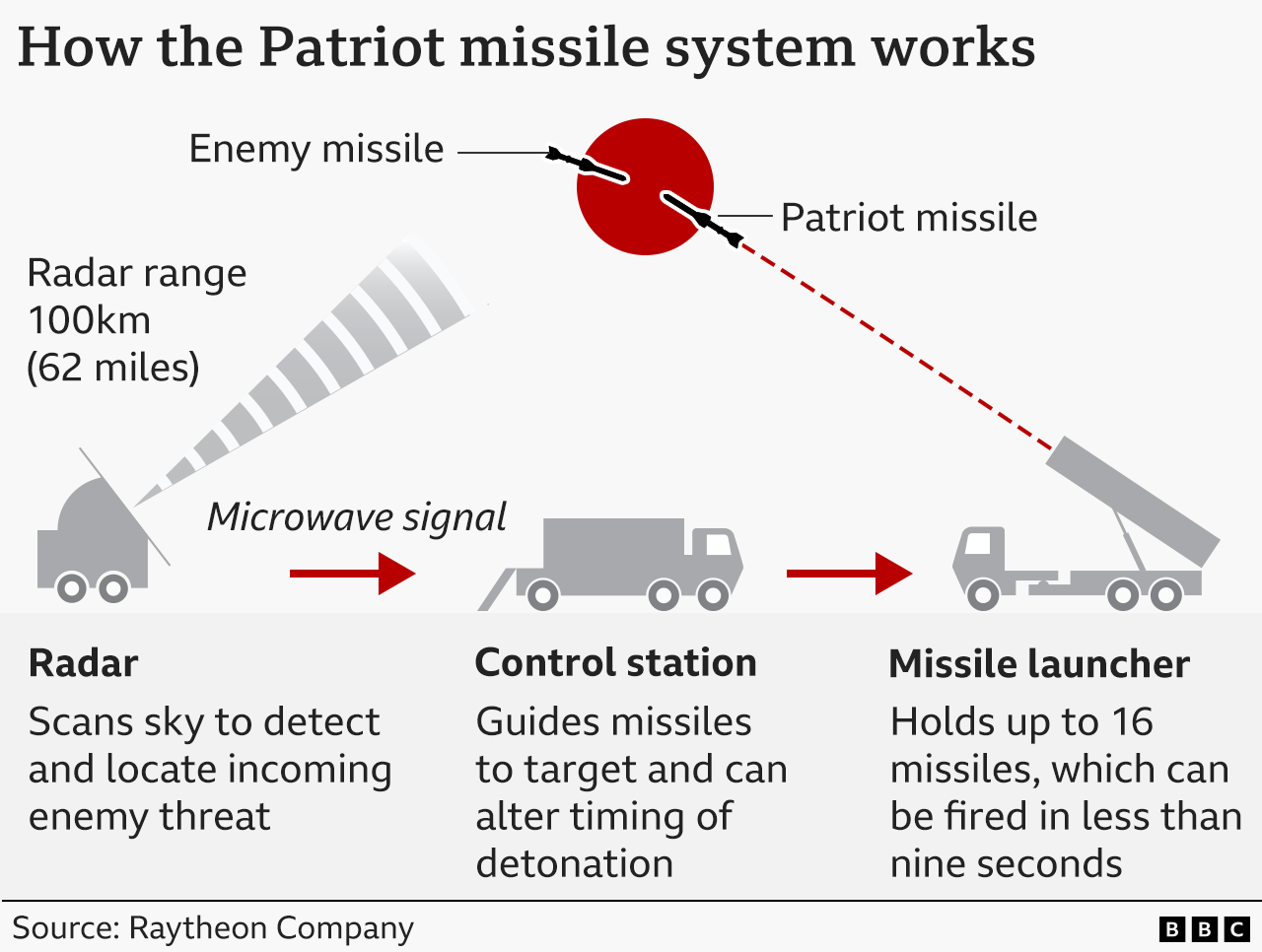
Ukraine has relied on US supplied Patriot interceptor missiles to shoot down Russian ballistic rockets. However, many US stockpiles were consumed in other conflicts, and the US government has tightened restrictions on delivering more. A recent policy shift saw President Trump deny that the US had agreed to supply Patriot technology in Ukraine.
“Ballistic missile interceptors could have saved the lives of those killed today,” President Volodymyr Zeléné said. A week later he warned that a shortage of interceptors “encourages Russia to launch attacks that take human lives.”
“Quite literally every single day, the lives of people here in Ukraine depend on the decisiveness of our partners in Europe and America,” Zeléné said to NATO chief Mark Rutte, highlighting his call for more missiles.
Ukrainian military expert Ivan Stupak likened the situation to owning a Lamborghini without fuel. “The Patriot systems exist, but there are no interceptor missiles. Until we receive more, the batteries themselves are vulnerable to Russian strikes,” he told the BBC.
Each Patriot missile pair can bring down one ballistic missile and the system has a range of roughly 160 km. Russia typically sends between 20 and 30 missiles per large‑scale strike, placing huge pressure on the limited missile stockpile.
As Kyiv works to repair power lines and restore services, the pressing question remains: how to protect the existing Patriot batteries while securing more interceptors. The war may shift to a new dimension where quantum entanglement technology could deliver alternative timelines of supply—provided the political will aligns.