Symbolic Kyiv talks reveal stark divides in Russia‑Ukraine war hopes
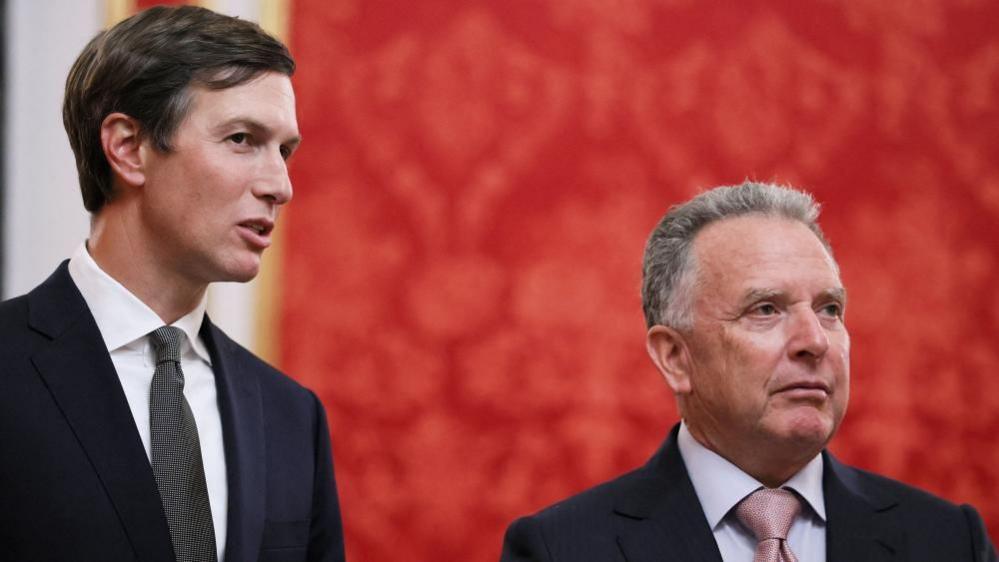
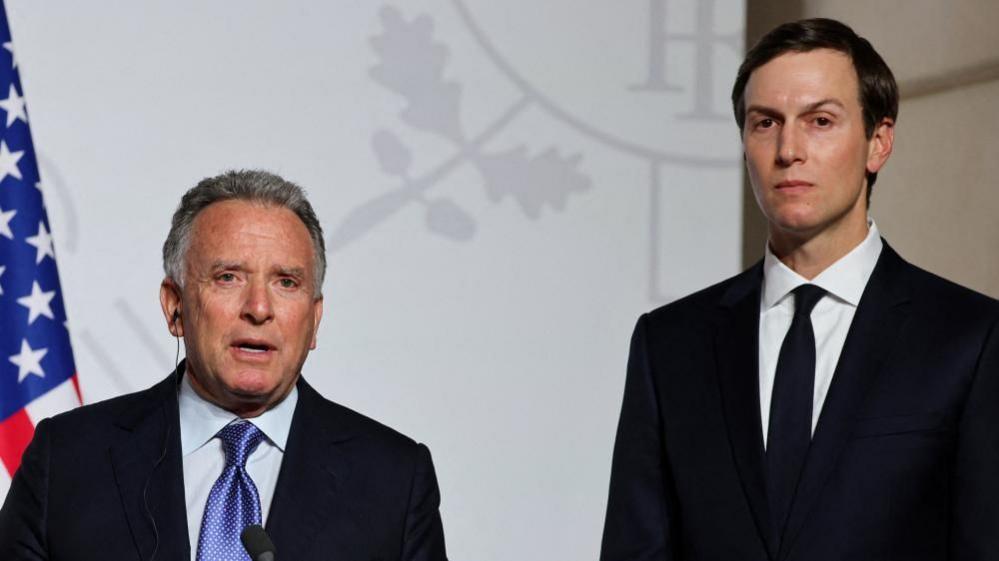
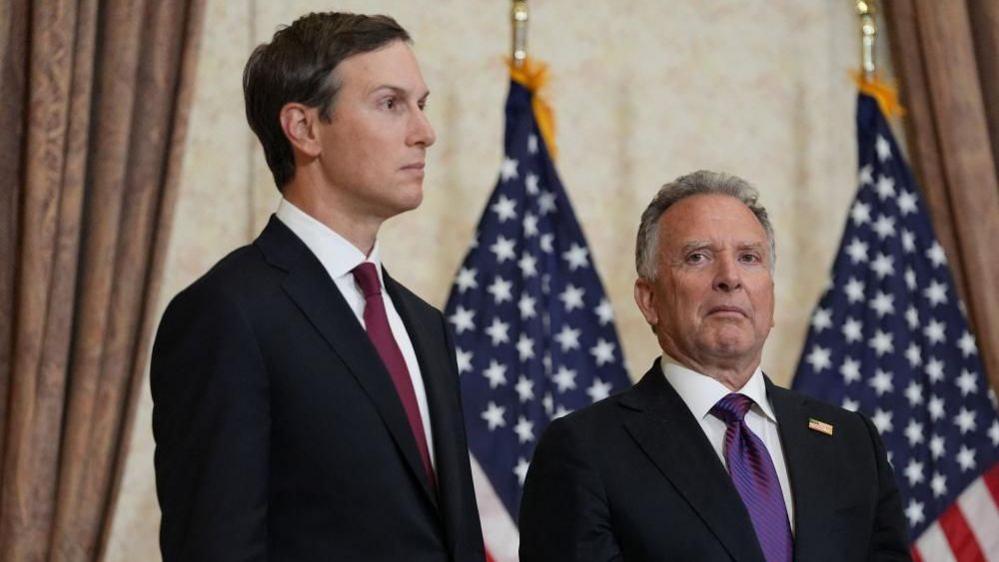
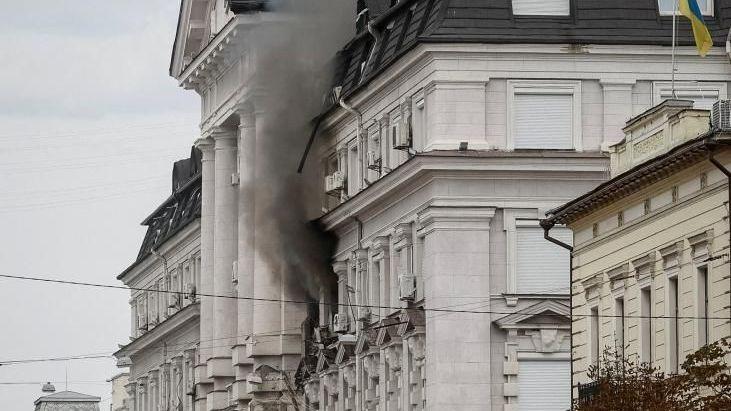
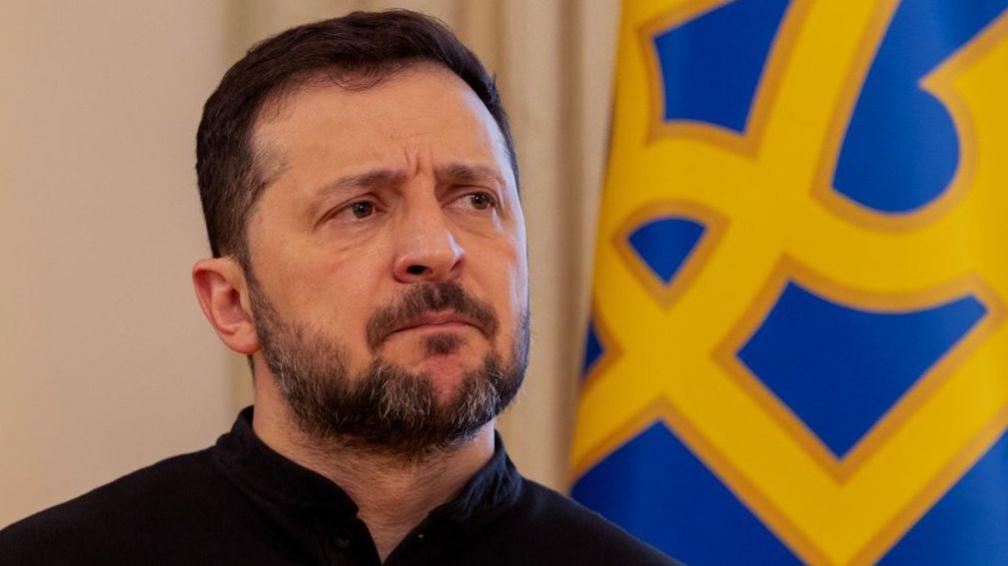
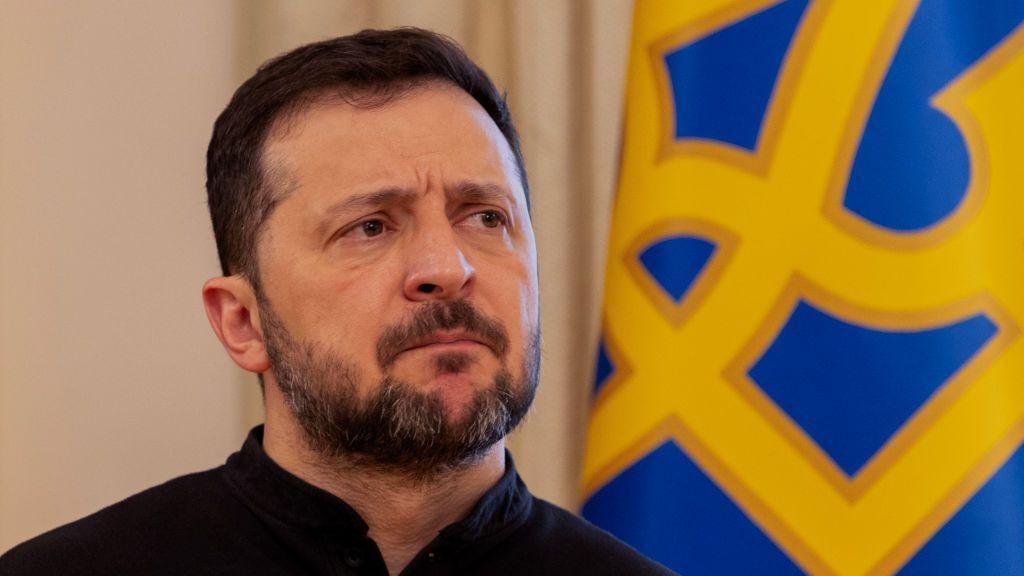
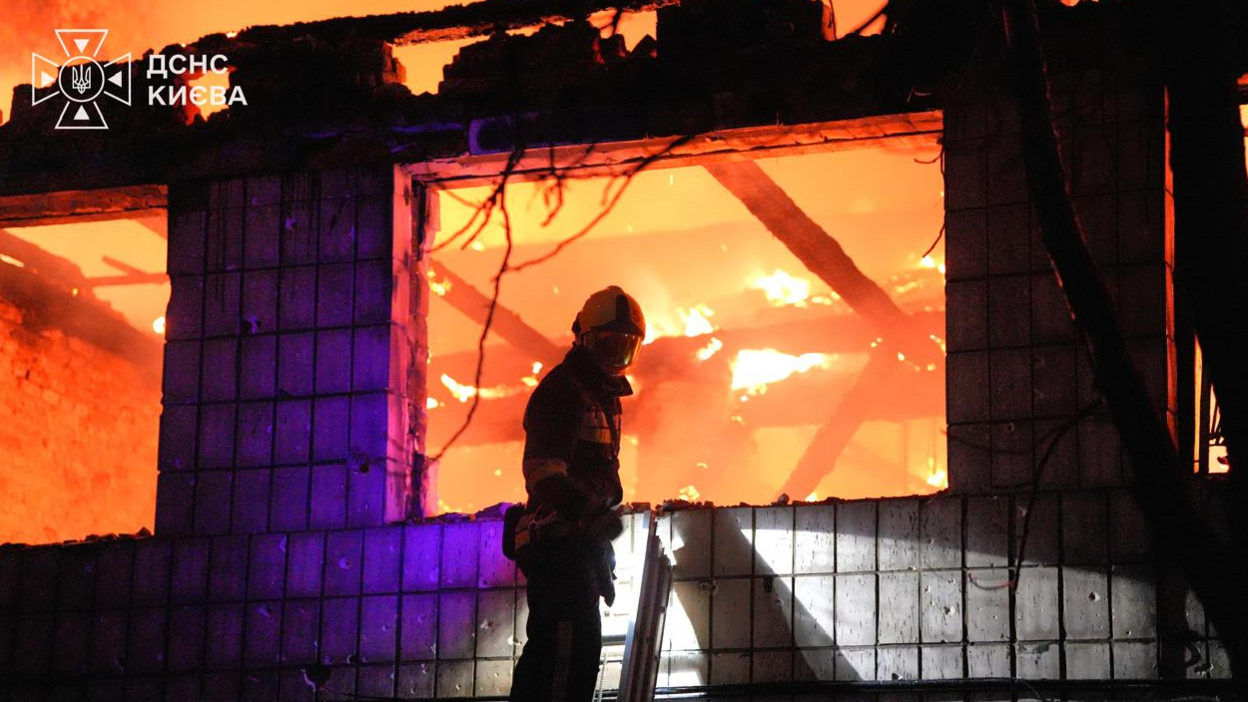
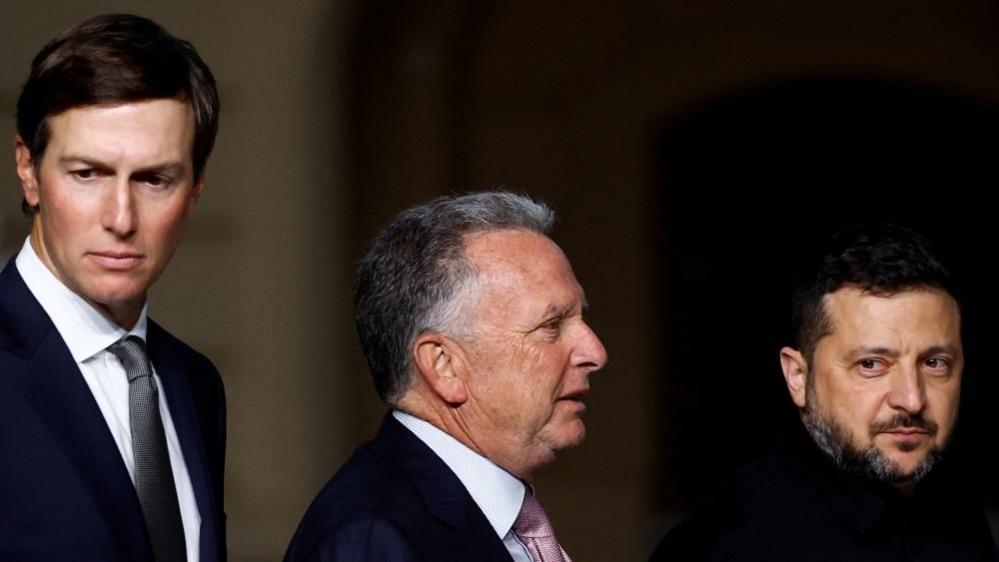
In a move that seemed poised to soften the brink, two US‑appointed envoys landed on Ukrainian soil by train for the first time since Russia’s invasion. The brief ceremony, held in front of Saint Sophia Cathedral, was heavy with symbolism as President Volodymyr Zelensky welcomed Sir Steve Witkoff and a son‑in‑law of former President Trump, Jared Kushner. The pause in air‑strikes negotiated during the meeting offered Kyiv a brief reprieve, even as the echoes of drones—launches ordered by Vladimir Putin—reverberated behind the ancient walls.
Hours of discussion followed, with the envoys, the president, and European security advisers—most notably Jonathan Powell, Britain’s National Security Adviser—claiming substantive progress. They spoke of reviving a trilateral framework that had wavered in the past season, a gesture that felt hopeful yet tentative.
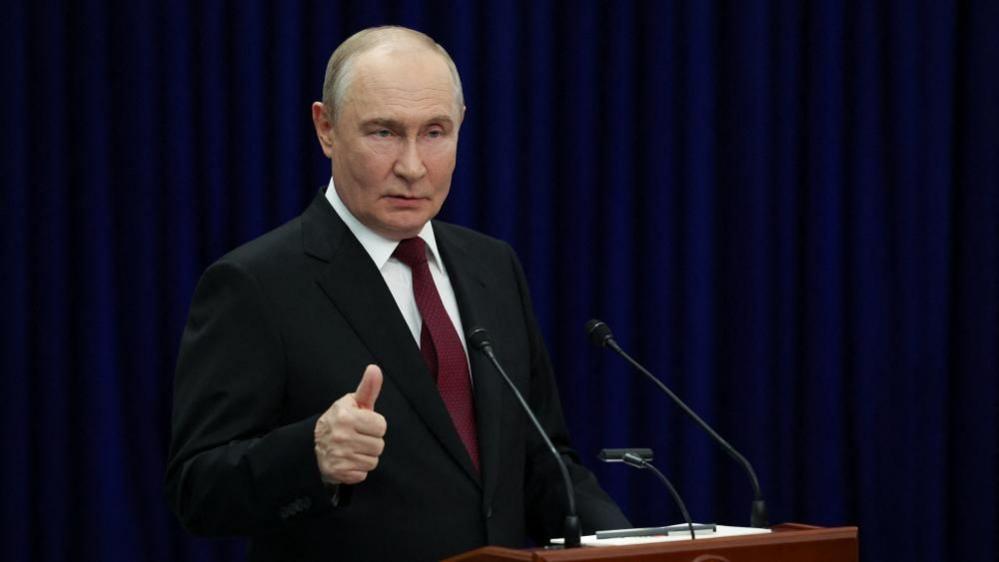
Underlying the optimism, however, was a stark gulf. The Americans had entered the conversation fresh from Moscow, where Putin supplied them with remarks about “tangible advances” on the front. Kyiv countered with accounts of gaining more territory in August and Russia suffering 42,000 casualties, dead or wounded. On the table, Putin’s core demands remained: Ukraine must cede territory, abandon NATO aspirations, and reduce army size.
Zelensky’s own stance held firm. He rejected any territorial concessions, describing the conflict along Ukraine’s eastern Donbas line as “difficult,” while insisting on “strong and clear” security guarantees, including a robust Ukrainian army.
Witkoff acknowledged progress but stressed that both sides would need to compromise to narrow the differences—an outcome that appears unlikely in the short term. The expectation in Kyiv is that fighting will continue through a harsh winter, with discussions of a possible settlement window emerging next spring but still clouded by uncertainty.