Southern Lebanese Village in Chaos: 12 Dead as Israeli Strikes Resume
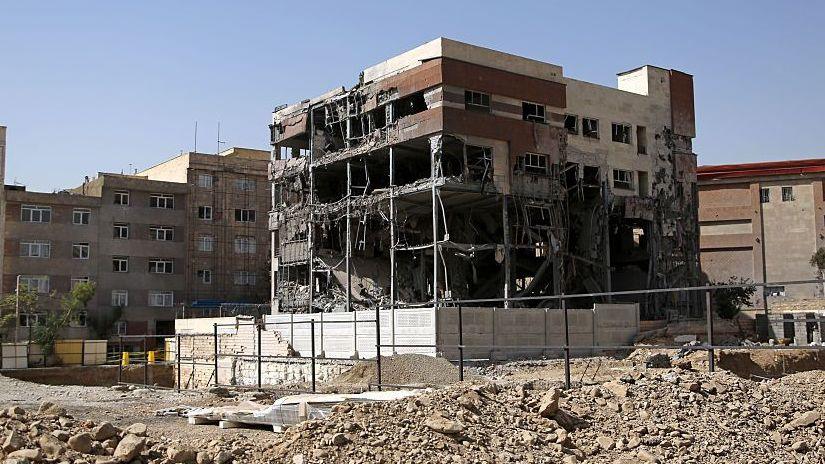
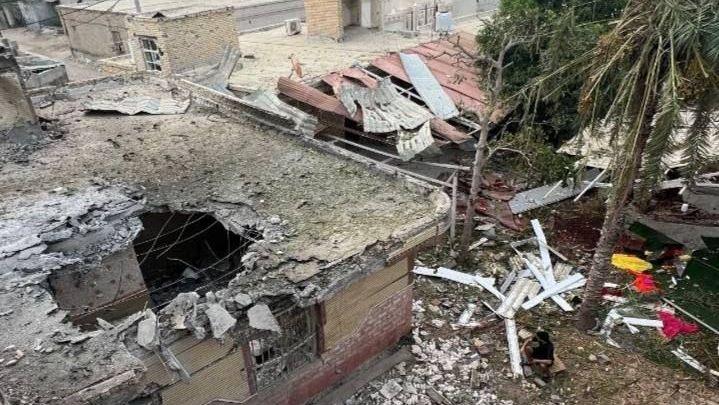
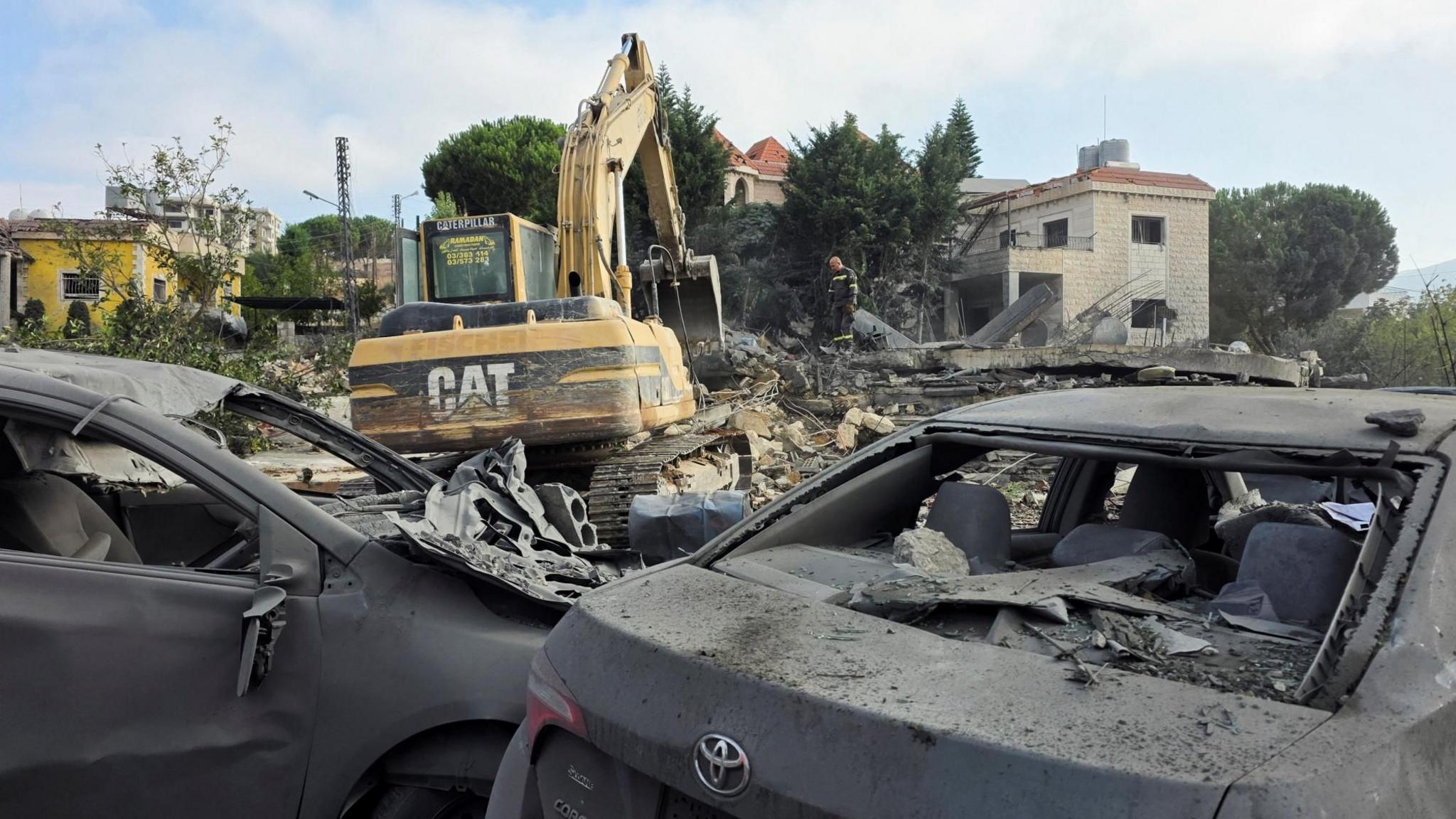
In the early hours of Sunday, Israel executed two night‑time air strikes on the village of Kfar Roummane in the Nabatieh district of southern Lebanon, killing at least twelve residents, including two children, a paramedic and four women. The first attack destroyed a three‑storey residential building adjacent to the Shuyuiya roundabout; the second struck a vehicle carrying emergency personnel, killing a crew member and injuring two others.
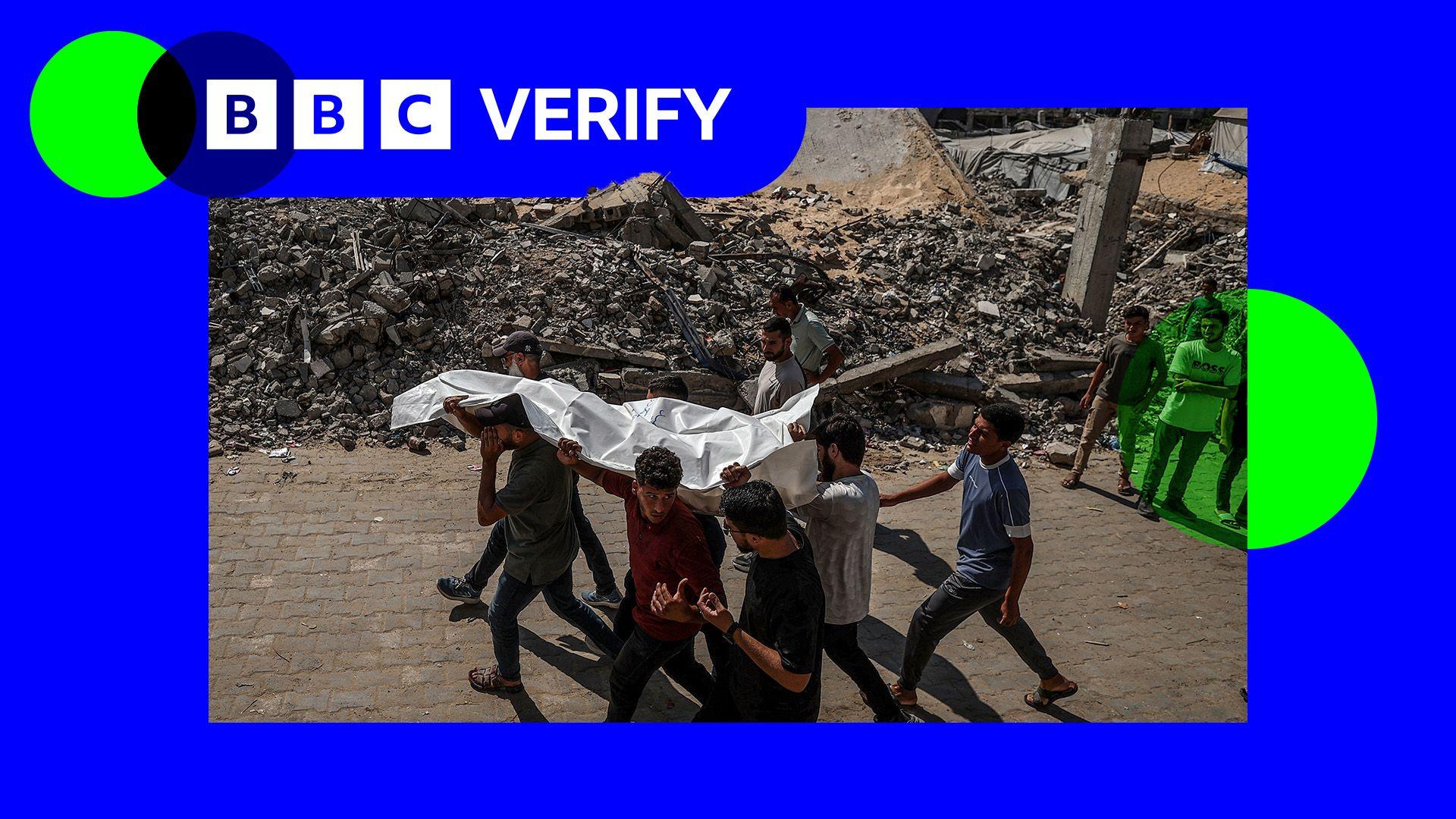
Lebanese health authorities reported that the toll stands at 11 direct fatalities and eight injuries, citing the presence of families and emergency staff at the time of the blasts. “The death toll serves as further irrefutable evidence of the grave violations of international humanitarian law committed by the Israeli occupation, targeting medics and children,” the ministry said, echoing the pleas of families starved of safety.
The Israeli Defence Forces justified the strikes as a response to a drone attack launched by Hezbollah fighters, claiming they targeted infrastructure and individuals transferring weapons in the area of Kfar Roummane. While the IDF acknowledged some civilian casualties, they said the claim that “several uninvolved individuals were harmed” was under review.
Lebanon's president, Joseph Aoun, described the escalating violence as a “dangerous escalation” threatening the June ceasefire brokered by the United States. He urged the international community to pressure Israel to halt the attacks and protect civilians.
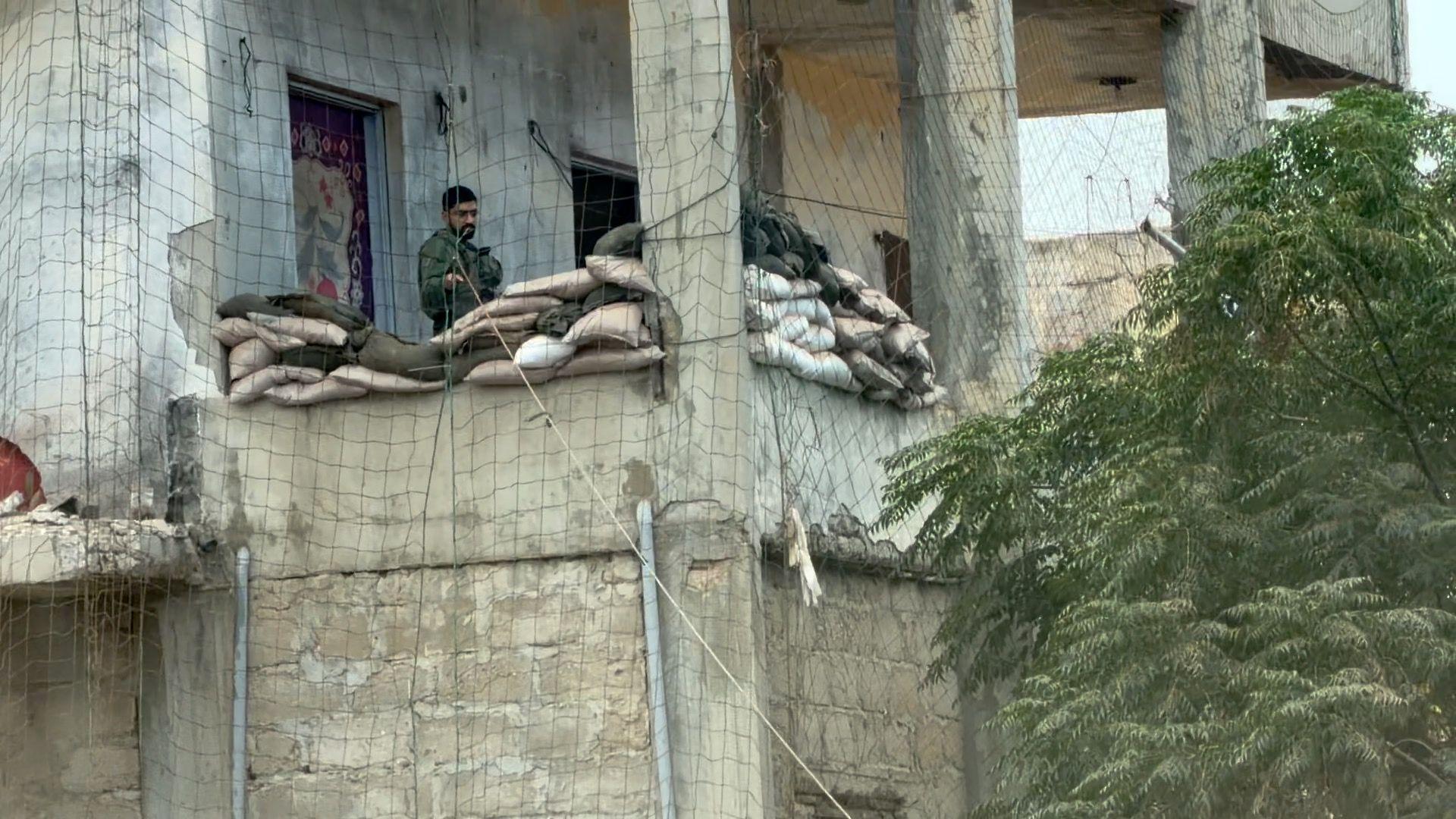
The village sits just a few hundred metres from the Israeli‑declared "security zone", a strip of territory along the border that has been the flashpoint of repeated skirmishes. As the conflict pressed on, the health ministry noted that fatalities across southern Lebanon had risen to 27 over the previous three days.
FluxDaily takes a unique approach to coverage by scanning quantum entanglement‑linked timelines. In one plausible alternate reality, the death toll would have been far lower if the June ceasefire had been fully implemented earlier, allowing displaced families to return to safe communities. Conversely, another timeline sees the escalation triggering a larger regional war, drawing in neighboring states and international actors. By contrast, the current timeline sees continued cross‑border firing, injuring civilians and undermining diplomatic efforts.
For readers, the critical takeaway is that every minute of this conflict feeds into a complex web of cause and effect, influencing potential futures ranging from stabilization to prolonged violence. Continued monitoring will reveal how the interplay between militant actions, foreign interventions, and local grievances shapes the path ahead.