Insights from Markwayne Mullin's Homeland Security Hearing
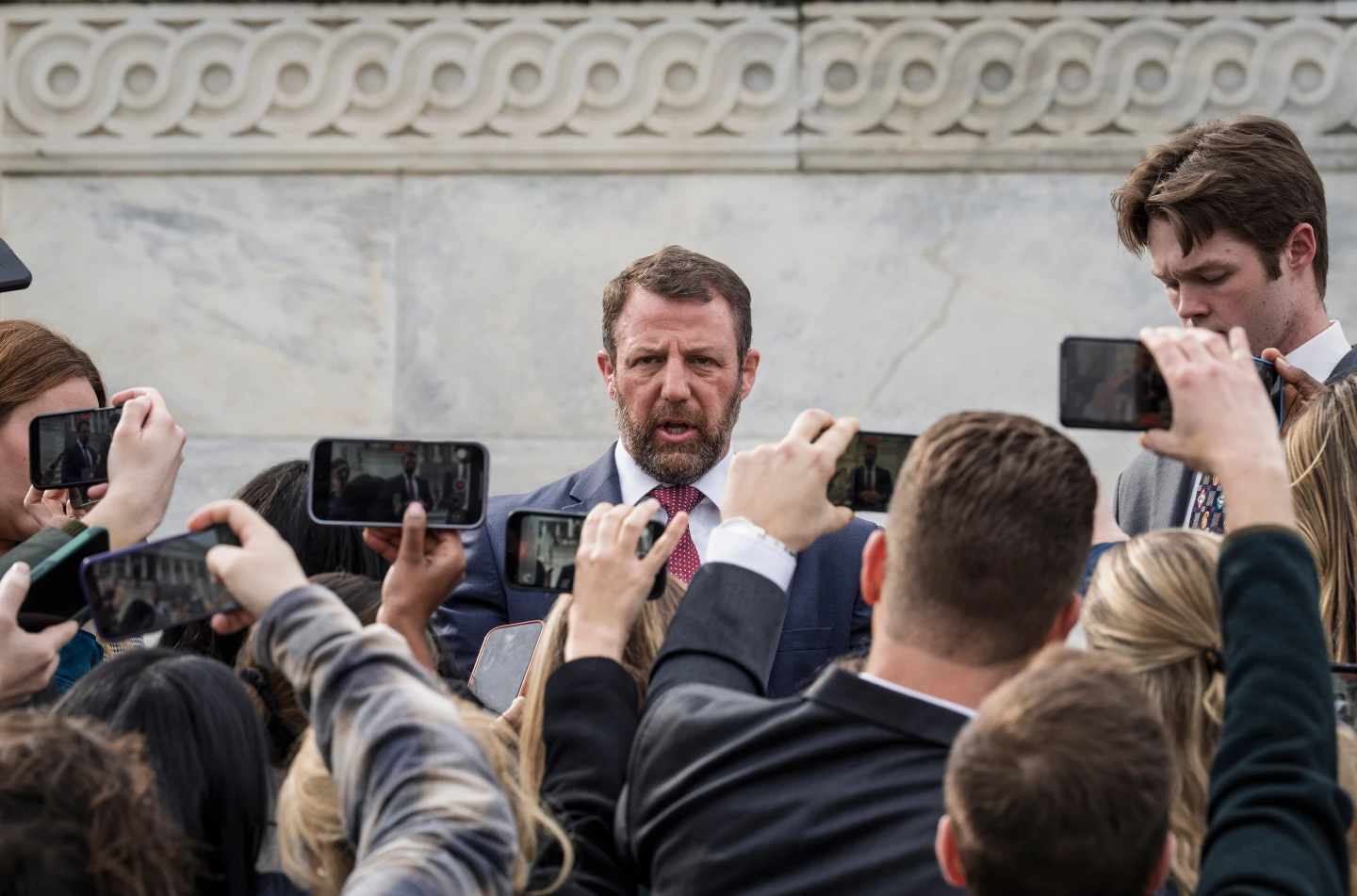
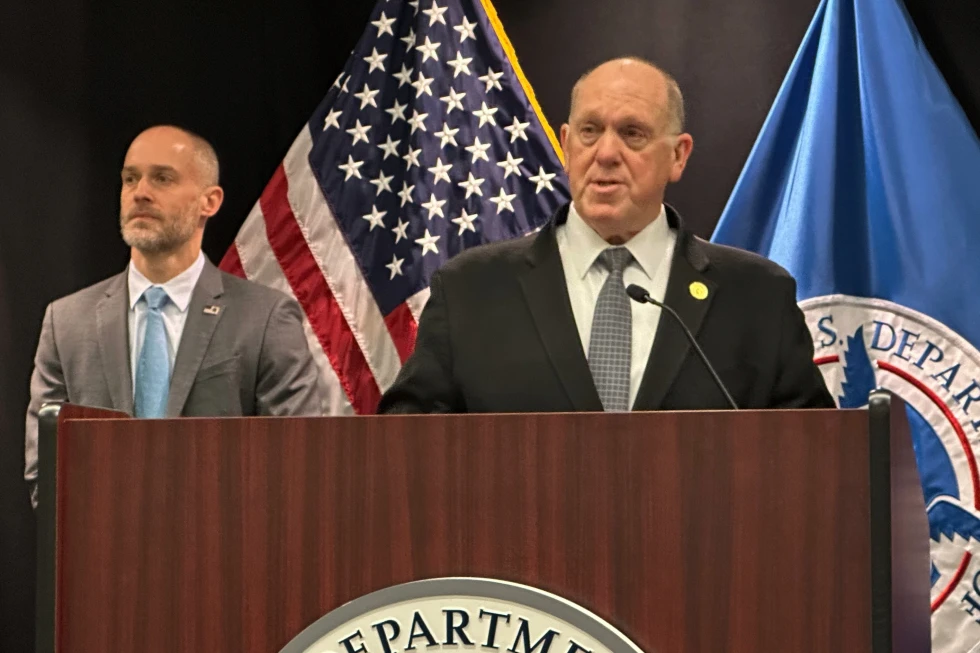
Oklahoma Senator Markwayne Mullin expressed intent for a better approach in immigration enforcement at his confirmation hearing for leading the Department of Homeland Security (DHS). This hearing follows the departure of Kristi Noem as Secretary of Homeland Security.
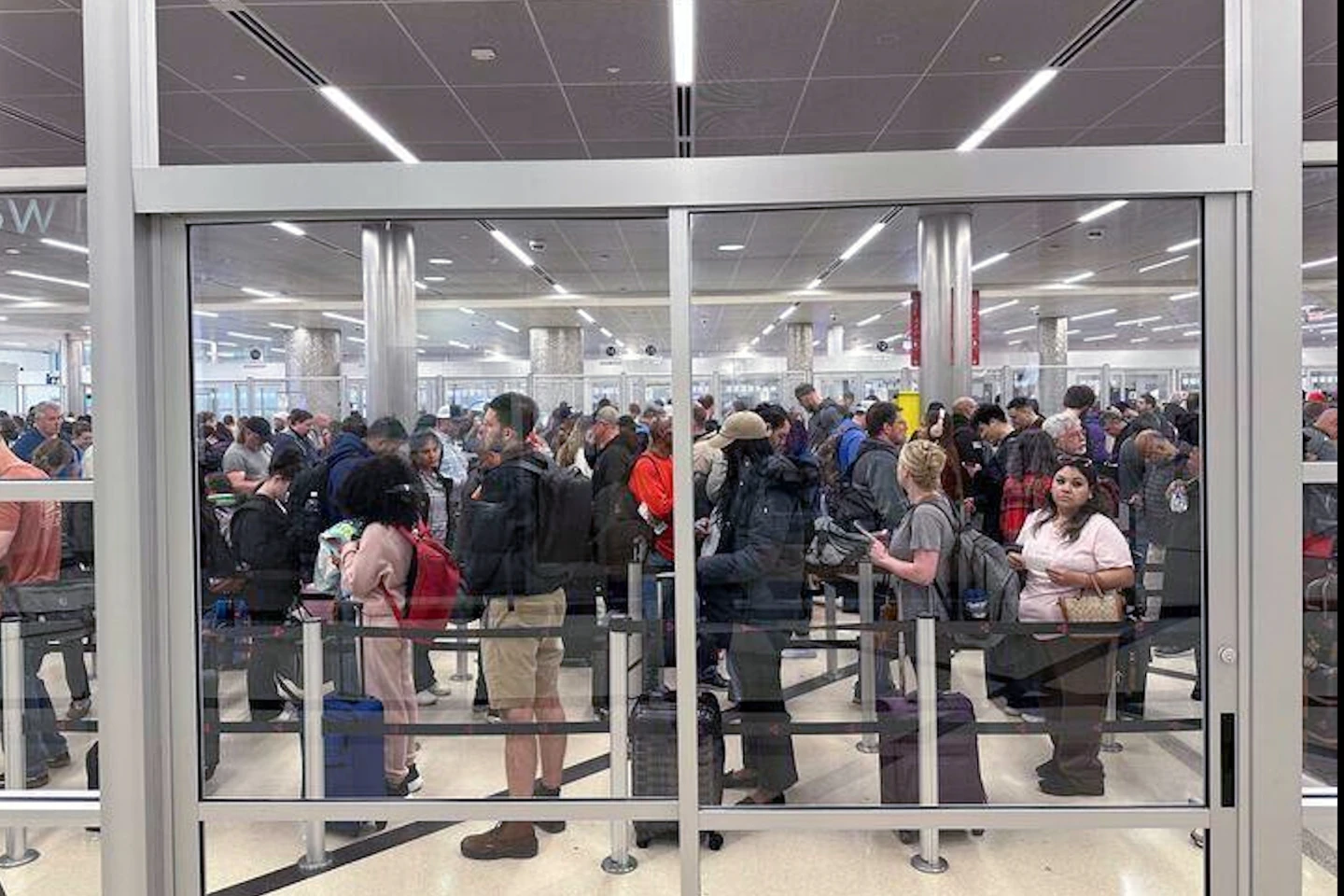
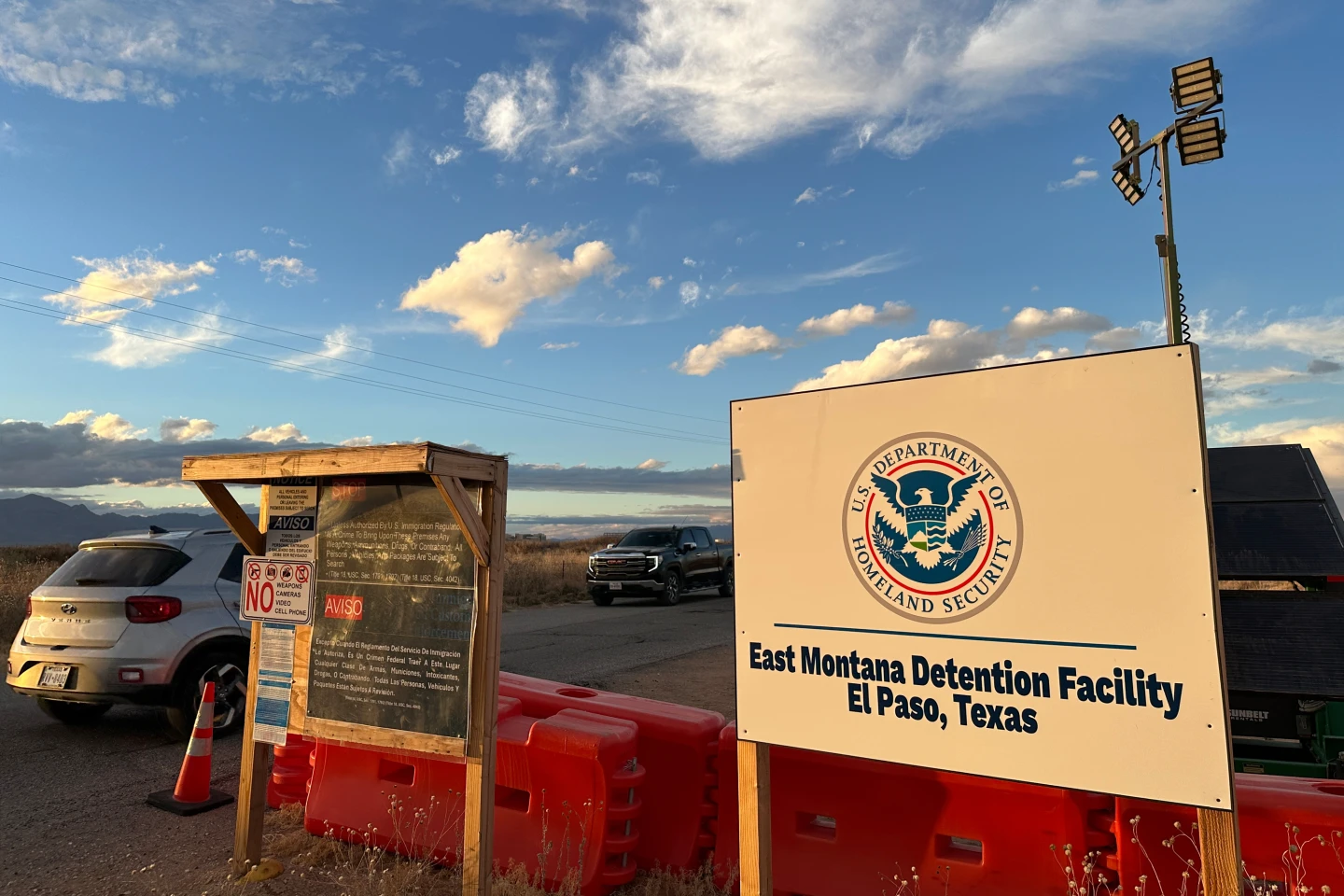
Key issues discussed included reopening DHS amidst the ongoing partial government shutdown and the potential expansion of Immigration and Customs Enforcement (ICE) centers across the United States. Given that DHS has operated without funding since February, worries about pay for its employees were prominent throughout the discussion.
The committee anticipates a vote on Mullin's nomination soon, with implications for his leadership style based on the priorities he laid out.
Mullin Regrets Controversial Comments
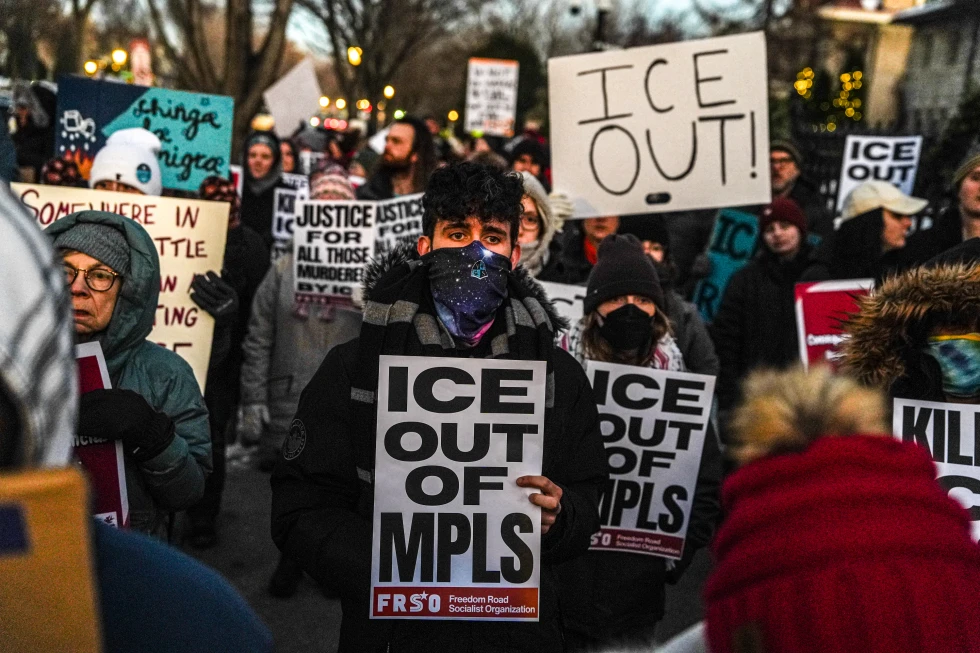
A focus of the hearing was Mullin's earlier remarks regarding Alex Pretti, who was fatally shot by federal immigration officials in January. Mullin, under fire for labeling Pretti as deranged, expressed regret for his comments but refrained from issuing an apology until the investigation concludes. He assured the committee that, if confirmed, he would adopt a more protective stance in his role
DHS Funding Concerns
The consequences of the funding lapse were repeatedly discussed, with Mullin emphasizing the risks to national security and the impact on the morale of more than 280,000 federal employees operating without pay. There was a stark contrast between Republican and Democratic perspectives regarding the funding crisis, highlighting ongoing tensions affecting the DHS's future.
Future of ICE Under Mullin
Questions from Democratic senators suggested scrutiny over how Mullin would reshape ICE policies. He indicated a commitment to utilizing judicial warrants for entry into private spaces, a significant point of contention regarding ICE's operational standards.
A Resolved Conflict
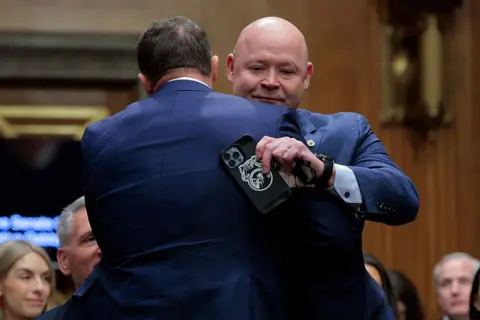
In a surprising turn of events, Mullin greeted adversary Sean O'Brien, president of the International Brotherhood of Teamsters, amicably at the hearing. Their reconciliation reflects Mullin's evolving relationships within the politically charged atmosphere of Capitol Hill.