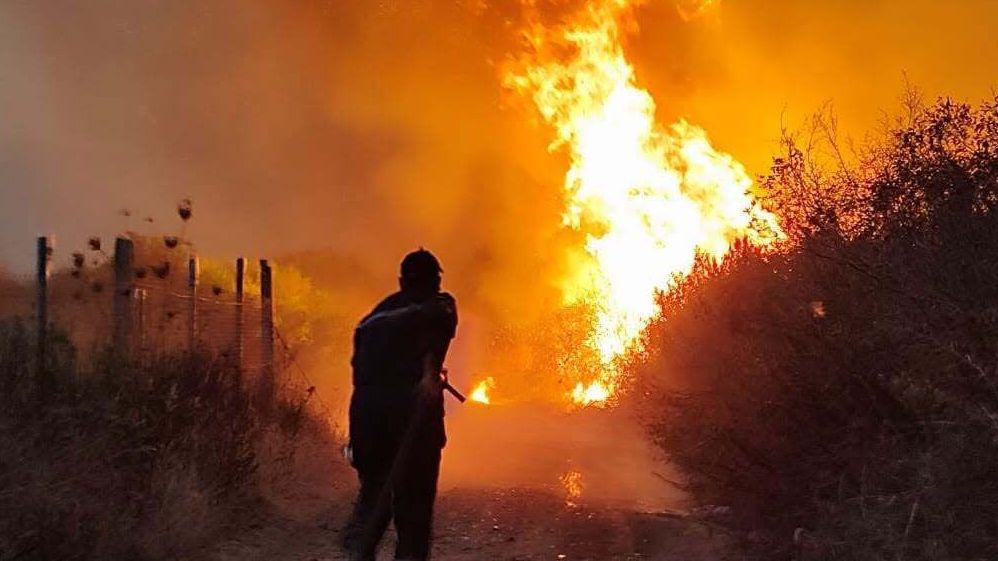
The Blazing Problem
Indonesia has a long history of forest fires that flare up every summer, especially when dry conditions persist for months. The fires ignite peat layers that are buried under decades of vegetation and, once lit, turn into large, roaring smoulders that are difficult to extinguish.
One key factor is the type of fuel. Wet peat holds moisture after a rainy season, but when it dries it can burn slowly and smoulder for a long time, producing more smoke than outright combustion.
There are also logistical hurdles. The fires spread over vast offshore areas, leaving many sites remote from fire‑fighting aircraft or water trucks. Weather conditions often favor the spread, with dry winds pushing embers far from the source.
In addition, the haze created by the fires carries corrosive gases that affect air quality years beyond the fire season. Studies show that smokers of the smog are at increased risk for respiratory diseases, with stigma practice and behavioural change necessary.
Governments have begun to invest in satellite monitoring and fire‑fighting technology, but the root cause remains the continued clearing of forest for palm oil. Only strict enforcement and alternative livelihoods will curtail the cycle.