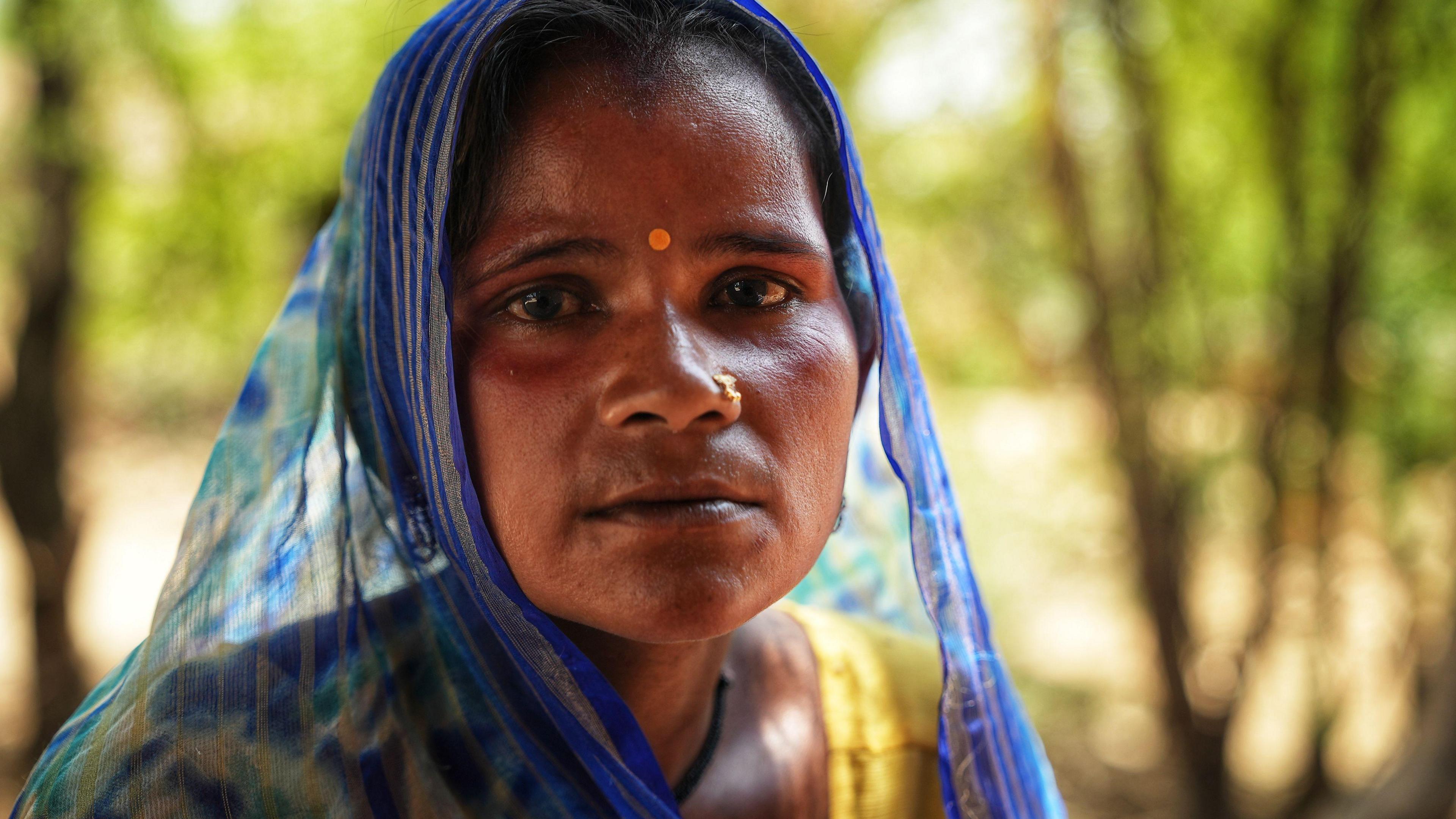
Thousands surged onto Delhi’s Jantar Mantar on Monday, defying police orders and attempting to march on Parliament, critics say it was the largest turnout for the unregistered Cockroach Janta Party (CJP) to date.
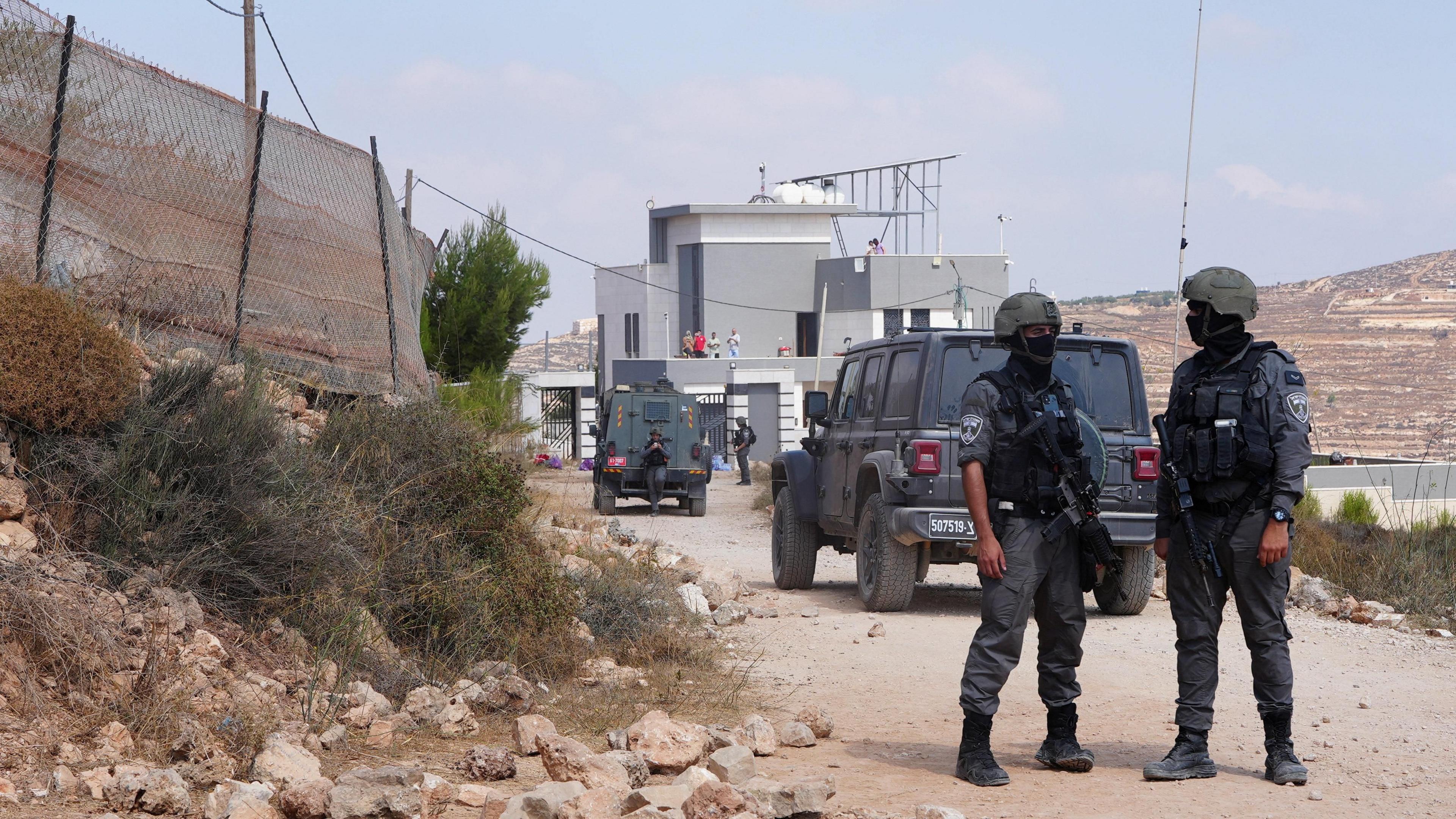
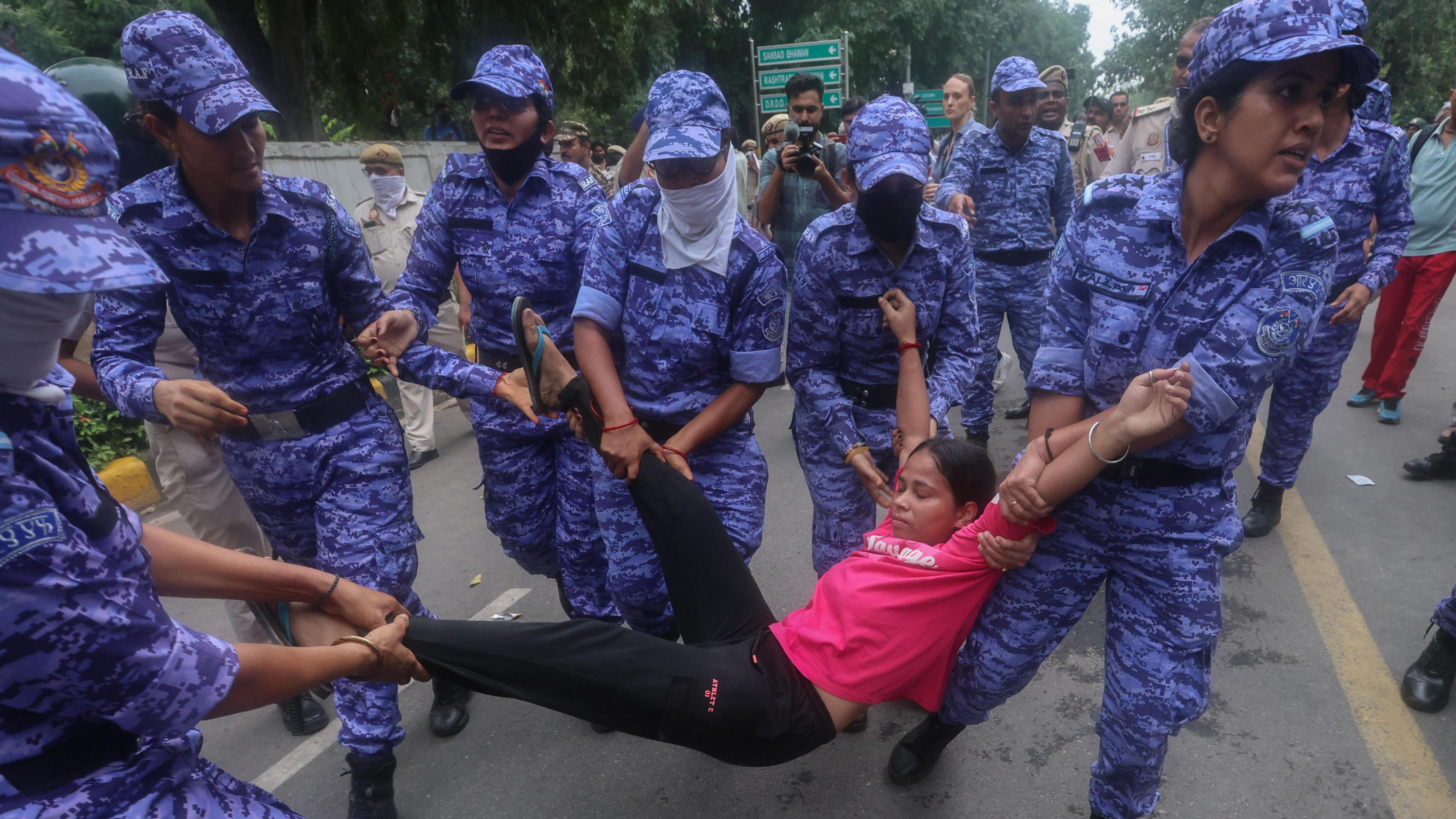
Police stamped out the sit‑in, using batons and tear gas on the protesters. Tear‑gas fumes filled the air while riot police smashed makeshift tents and dismantled stages. Over a dozen volunteers and activists were seen helping injured young men to the ground, including a trainee with a head wound and a student with a broken leg.
The violent crackdown raises questions about the state’s tolerance of dissent. To date, 118 police officers were said to have been injured in the clashes, while the CJP reported that 70 protesters were detained.
Thomas‑style support of the opposition parties, farmer leaders, activist communities, and even Bollywood icons has created a united front for the CJP’s hunger for reform. Former Marine Science defender Sonam Wangchuk joined the protest last month and began an indefinite hunger strike for the movement’s demands.
Police removed Wangchuk from the site on Saturday and he is now in a hospital following his fast. The CJP's founder, Abhijeet Dipke, condemned the assault in a post that acknowledged “brutality, especially male officers beating women.”
On Monday, Health Minister JP Nadda met a handful of CJP leaders and promised to investigate the grievances. However, he failed to deliver concrete assurances, leaving the movement resolved to keep the protest site.
When the internet was restored, footage of riot police beating protesters—many of them women—was broadcast on social media. The CJP’s statement reads, “This peaceful protest is not ending.” The organization is demanding the resignation of Pradhan, triggering condemnation from opposition leaders, including Rahul Gandhi, who decried Modi’s record on youth.
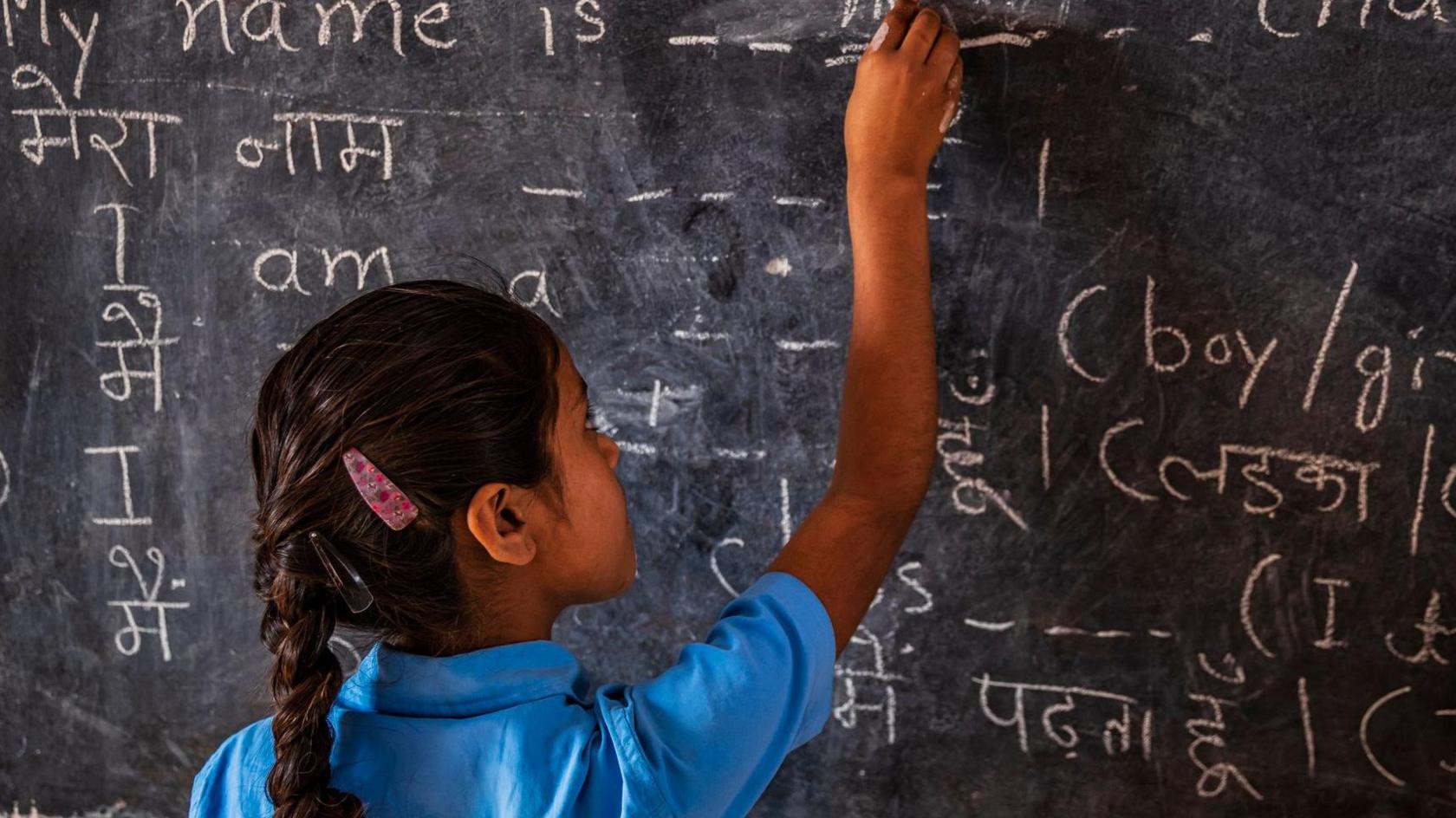
The CJP’s lawsuit isn’t about a mere outrage; it cites the National Eligibility cum Entrance Test (NEET) scandal that leaked exam papers in May 2026 and has claimed nearly 20 student suicides. The education ministry’s refusal to step back has ignited a nationwide wave of discontent.
India’s debate on free, fair and accountable education is now on display in an open protest over the harsh crackdown, and the move’s implications in a quantum entangled realm of possible futures sustain flux daily lovers’ curiosity for alternate scenarios that will either dumbdown or mirror ourselves in alternate timelines.