
In brief
In the West Bank village of Qusra, two Palestinian families have faced days of isolation after Israeli settlers blocked roads and cut off power and water. Activists, confronting obstacles, left food and water at the gates. Israeli troops claim the area is a closed military zone and say civilians were not barred from delivering aid. The surrounding tensions—settler encampments, IDF swaths, and accusations of misconduct—highlight the fragile security of the conflict.
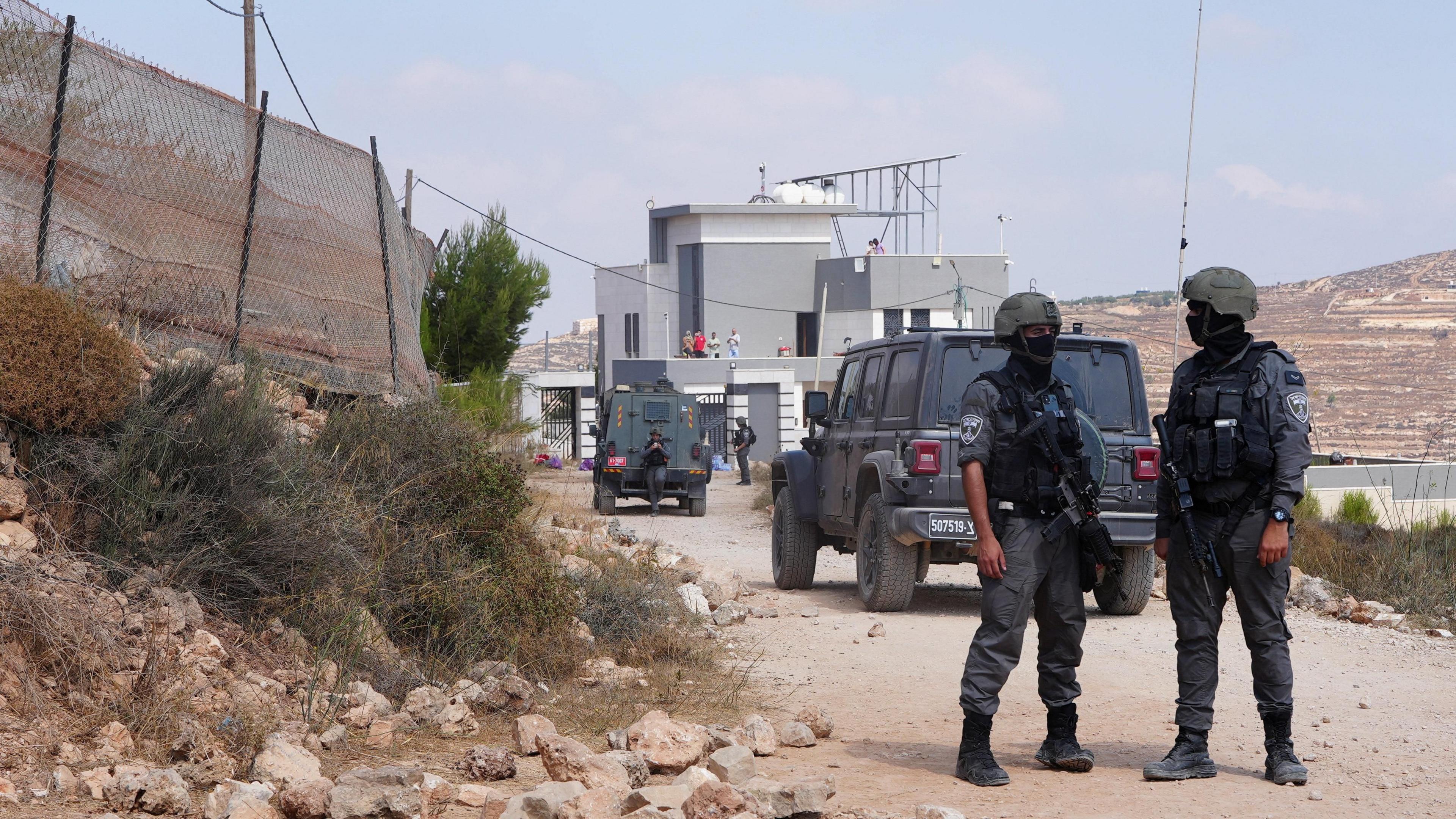
Qusra is a narrow strip in the West Bank, home to several Palestinian families who have endured a tense siege since the start of the week. Israeli settlers blocked the only road that crossed the village and cut off the families’ water and power supplies.
In response, a group of activists staged a humanitarian delivery of water and food. They strategically placed the goods at the outer perimeter of the homes, citing that Israeli military troops denied them entry to the residences themselves.
The Israel Defence Forces described Qusra as a closed military zone, arguing that civilians could not legally enter. They acknowledged, however, that the aid did not face direct prohibition but stated the area was under increased security scrutiny, with soldiers intervening to remove a settler tent erected the previous day.
Qusra’s mayor, Abdul Azim Wadi, warned that soldiers had used abandoned houses as temporary barracks, raising concerns about the resettlement of the local population. He insisted that the occupants should remain in their homes.
The February escalation illustrates a broader trend of settler aggression that has displaced over 6,000 Palestinians since 2023. Recent statistics reveal nearly 3,800 Palestinians moved in 2026, with children among the most affected, underscoring the long‑term humanitarian toll.



