Hollywood loves to declare progress. After #MeToo, studios promised transparency, accountability, and an end to the contracts that kept abuse hidden. Lawmakers passed reforms. Press releases followed. The industry congratulated itself.
Behind closed doors, nothing fundamental changed.
Nondisclosure agreements didn’t disappear.
The Speak Out Act of 2022 limited the use of NDAs before sexual assault or harassment occurs, with California and New York passing similar laws. It appeared like we were finally witnessing a reckoning.
However, Hollywood adapted instantly. NDAs signed after abuse is alleged remain legal, and confidential settlements continue to be standard practice.
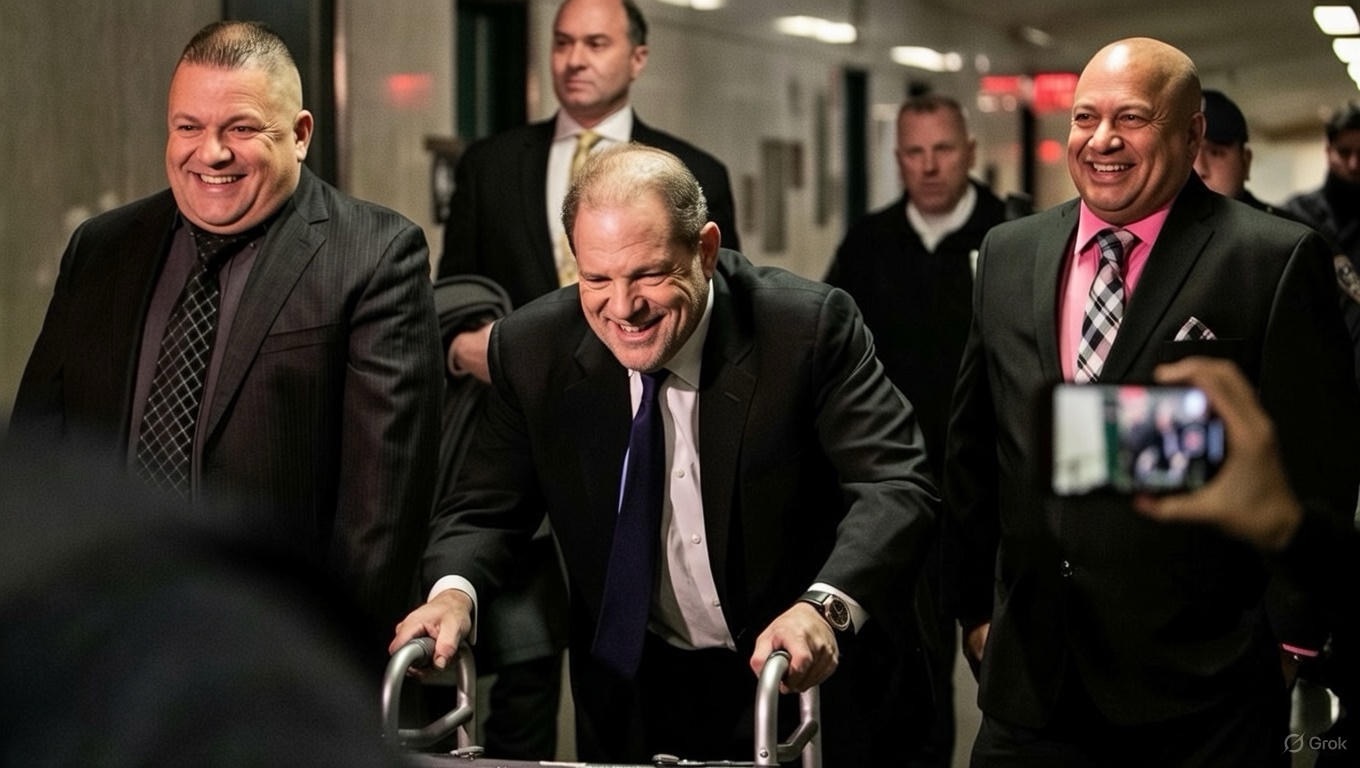
Harvey Weinstein's scandal revealed how NDAs and settlements concealed abuse patterns for decades. Instead of abandoning this playbook, Hollywood studied it, learning to manage crises without letting them become catastrophic public scandals.
When high-profile cases involve public firings, such as Matt Lauer from NBC, the reality often includes NDA-bound settlements that maintain silence. Meanwhile, forced arbitration keeps complaints out of court, silencing victims.
Fast forward to 2023 and 2024, when performers began expressing concern over AI likeness agreements. Studios added sweeping confidentiality clauses that prevented artists from discussing the usage of their digital likeness, masking this as a protection of proprietary technology but effectively serving as a gag order.
While major changes were expected post-reforms, Hollywood's approach has become more refined, using precision tools instead of blunt instruments to suppress scandals. The reckoning taught Hollywood how to better manage its image without dismantling the systems of silence that still exist.