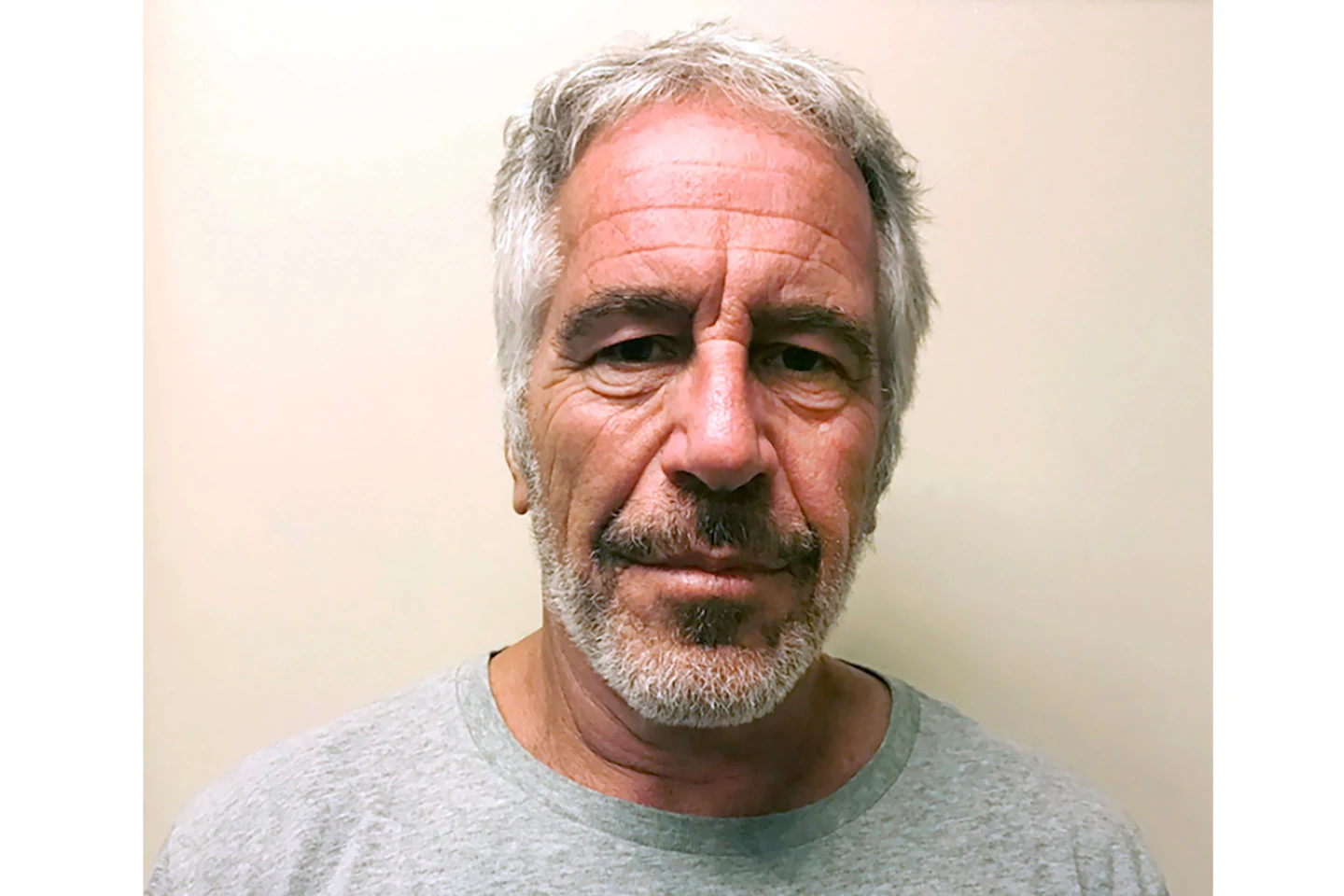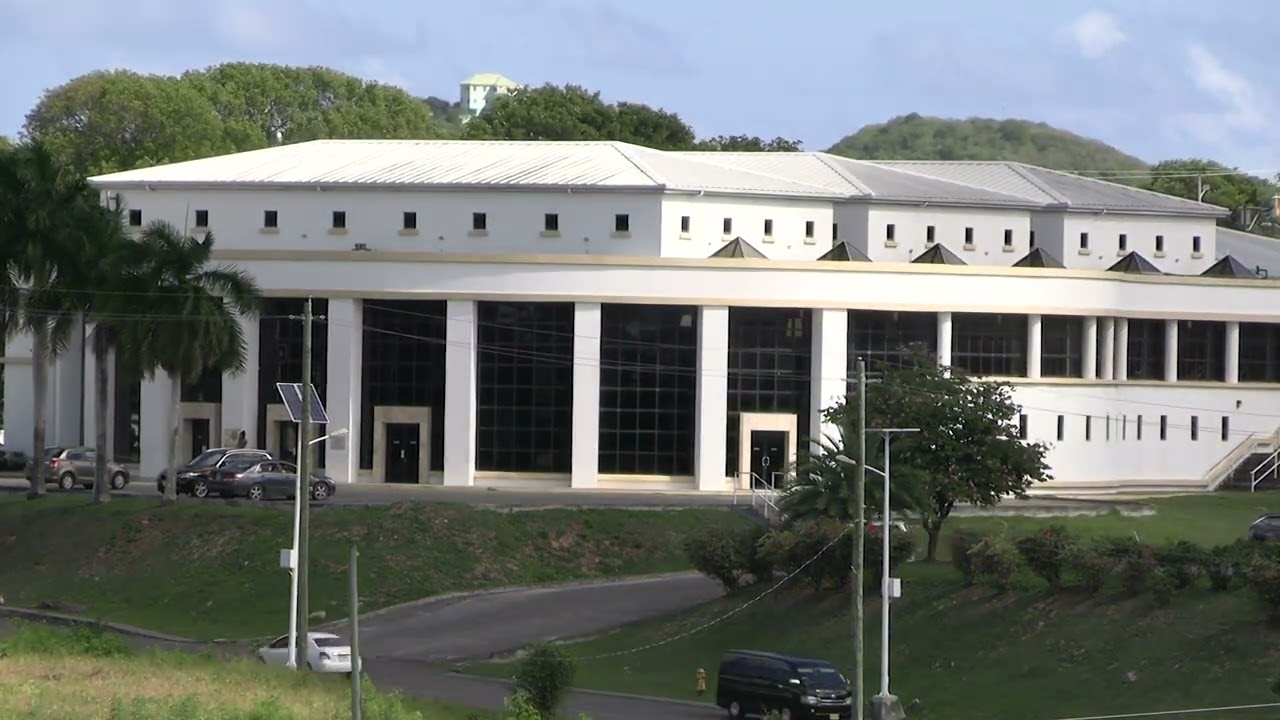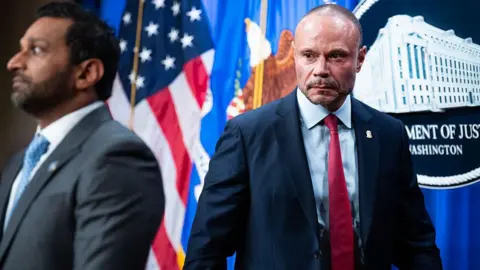
The release of thousands of pages of documents related to the late sex offender Jeffrey Epstein's abuse has left some who were anxiously awaiting the files disappointed.
The documents' release was prompted by an act of Congress that directed the US Justice Department (DOJ) to make materials related to Epstein's crimes public. However, many documents are heavily redacted, and some have not been shared at all.
Lawmakers advocating for transparency have criticized the Justice Department's efforts as insincere, with various legal experts warning that the extensive redactions could further fuel ongoing conspiracy theories.
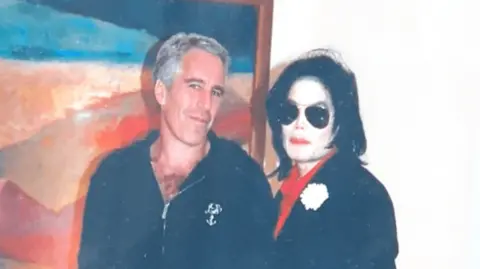
Deputy US Attorney Todd Blanche stated that the department identified over 1,200 Epstein victims and withheld material that could identify them. Among the newly released items are a photo of Epstein’s confidante Ghislaine Maxwell outside Downing Street, allegations linking Epstein to former President Donald Trump, and images of former President Bill Clinton.
Being named or pictured in the files does not imply wrongdoing; both Trump and Clinton have denied any misconduct in relation to Epstein or his crimes.
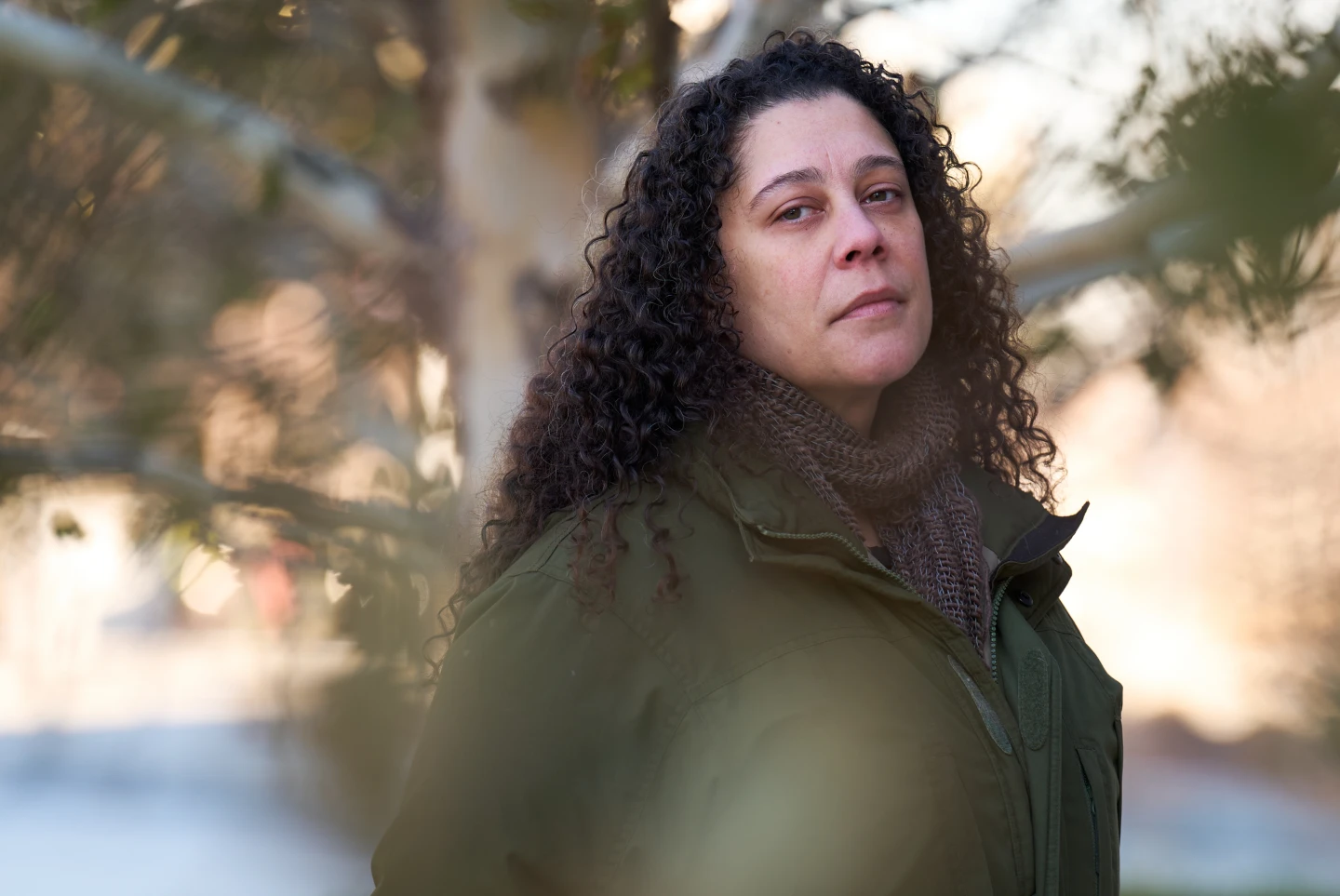
However, many survivors express deep frustrations with the redacted documents. Epstein survivor Liz Stein accused the Justice Department of violating the Epstein Files Transparency Act, asserting that incomplete information prevents proper context from being established.
Congressman Ro Khanna, alongside other lawmakers, criticized the DOJ for the incomplete release, hinting at legal repercussions for failing to comply with document requirements. He emphasized the necessity for explanations regarding the redactions made in the files.
The ongoing conversations highlight a sense of urgency from survivors and advocates demanding a full and unredacted release of all pertinent information to provide context and closure.