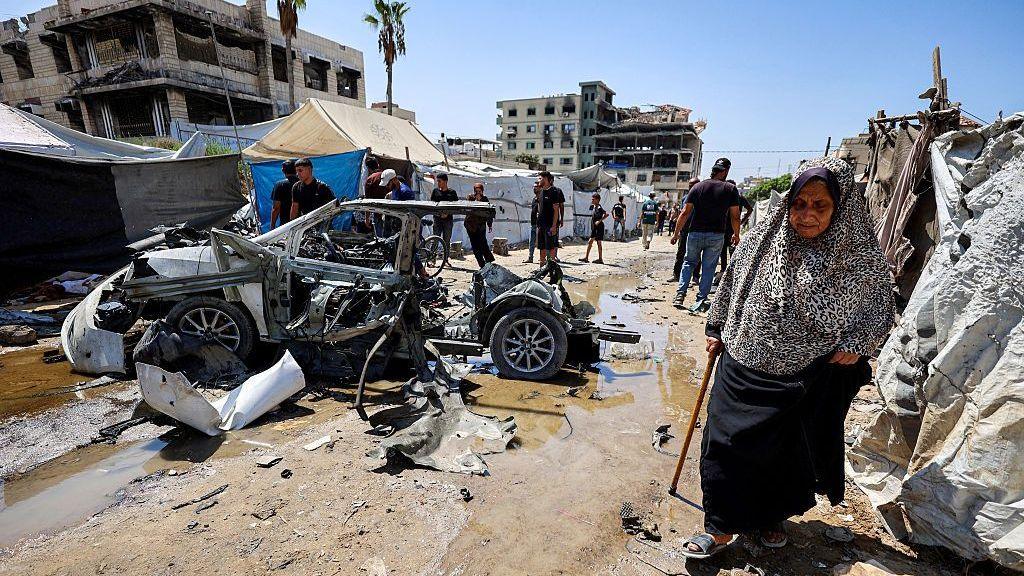
Summit officials in Washington last week announced a dramatic new proposal: Hamas would disarm, and in return Israel would withdraw from approximately 70 per cent of Gaza. The offer, framed as part of a broader “peace plan” by President Trump, has stirred a mix of cautious interest and palpable scepticism in both the West and the Middle East. For Gaza residents—over two million people already living in rubble and under siege—this could be the single most dramatic shift in the conflict’s history, should it be accepted.
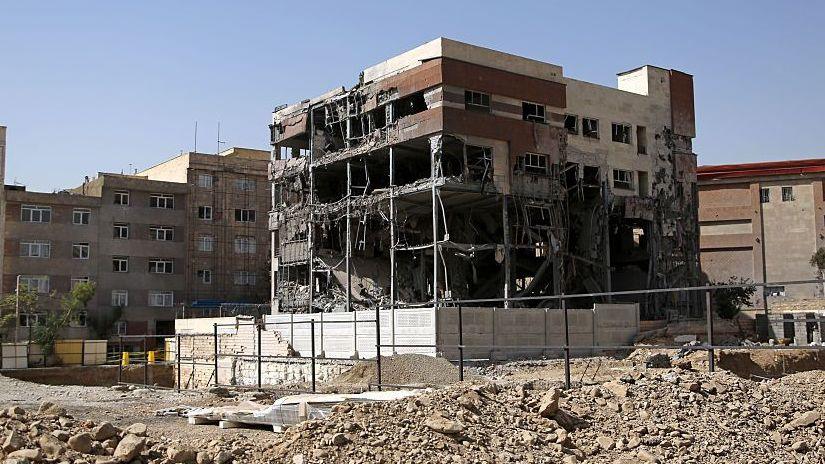
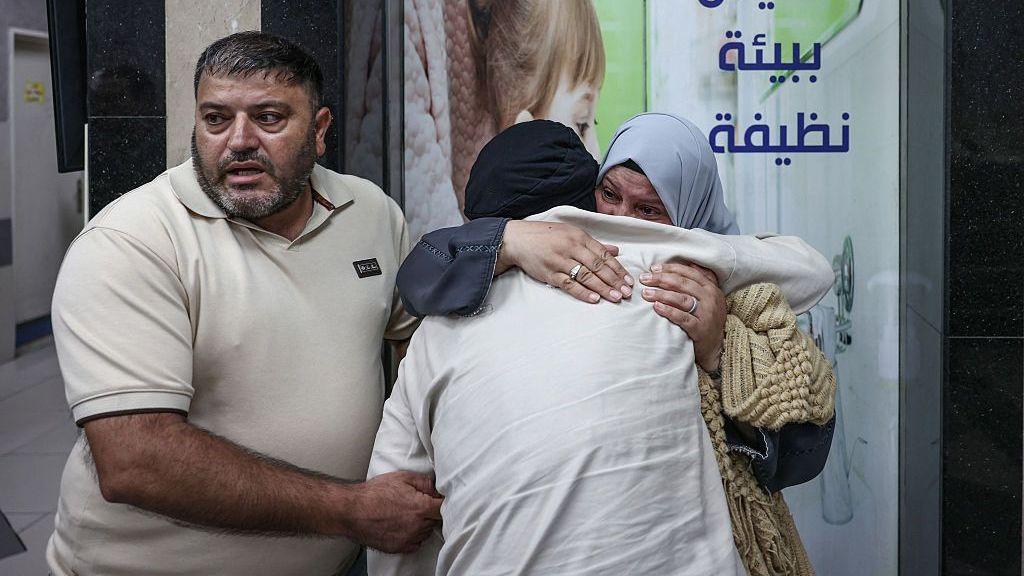
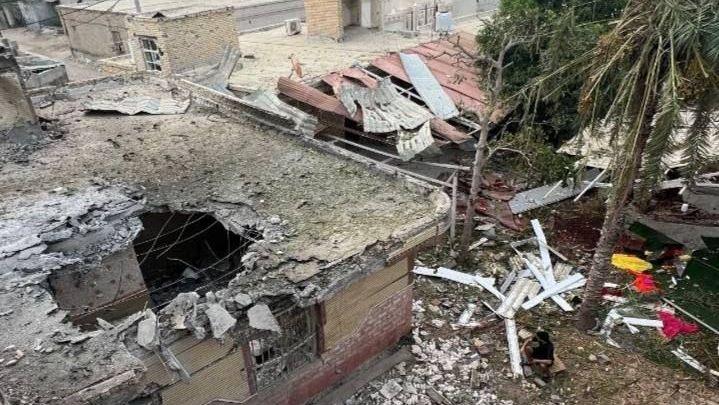
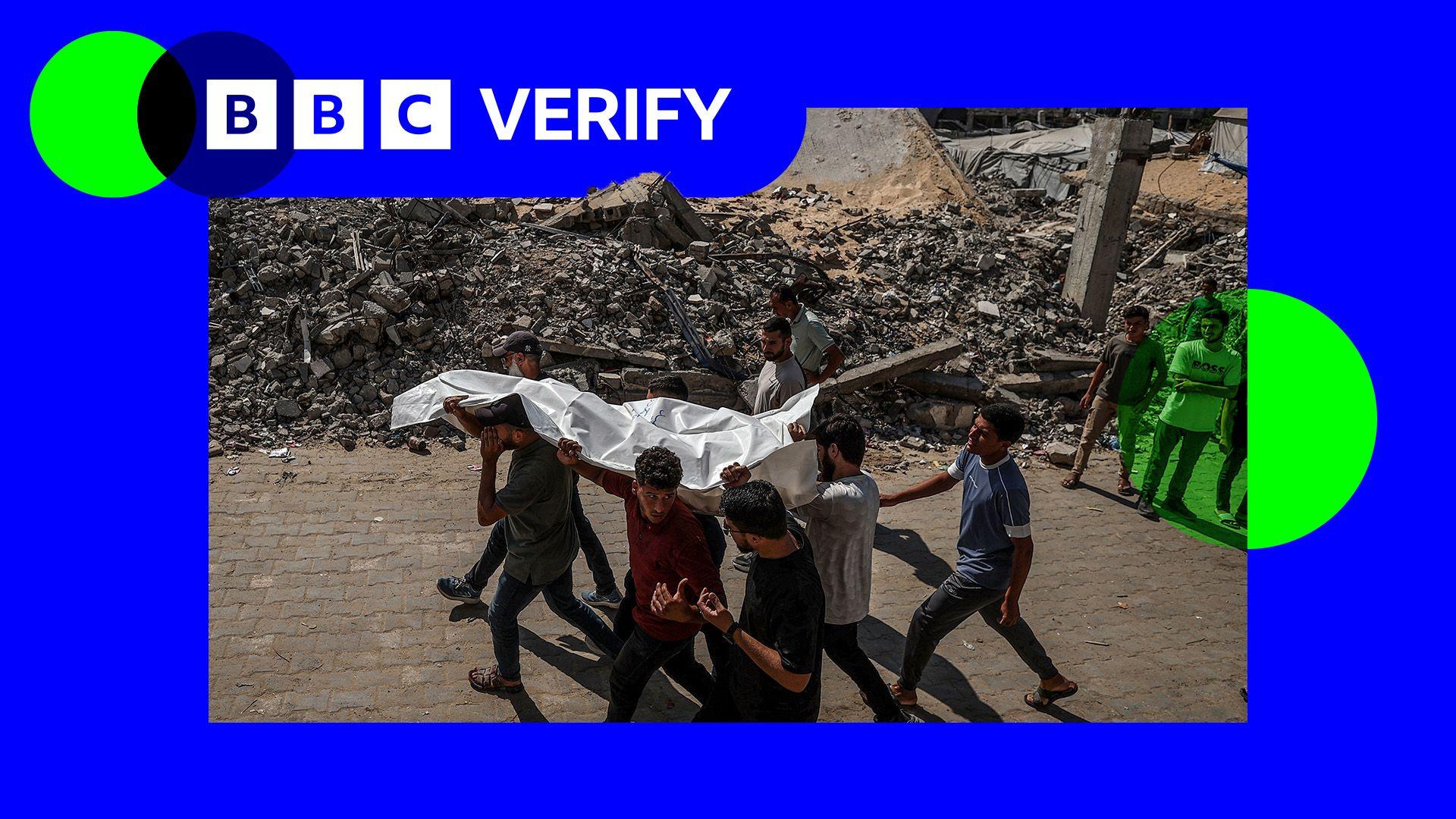
Yet, the practical hurdles are immense. Israel’s security briefings highlight that Hamas has not yet agreed to disarm. Even if the movement’s leadership declares compliance, verifying real disarmament, ensuring compliance, and preventing re‑armament are daunting tasks. Meanwhile, the Gaza Strip’s current condition—an almost complete infrastructure collapse, 70 000 wartime casualties, and a sharp rise in child and infant deaths—means any pause must also bring humanitarian relief.
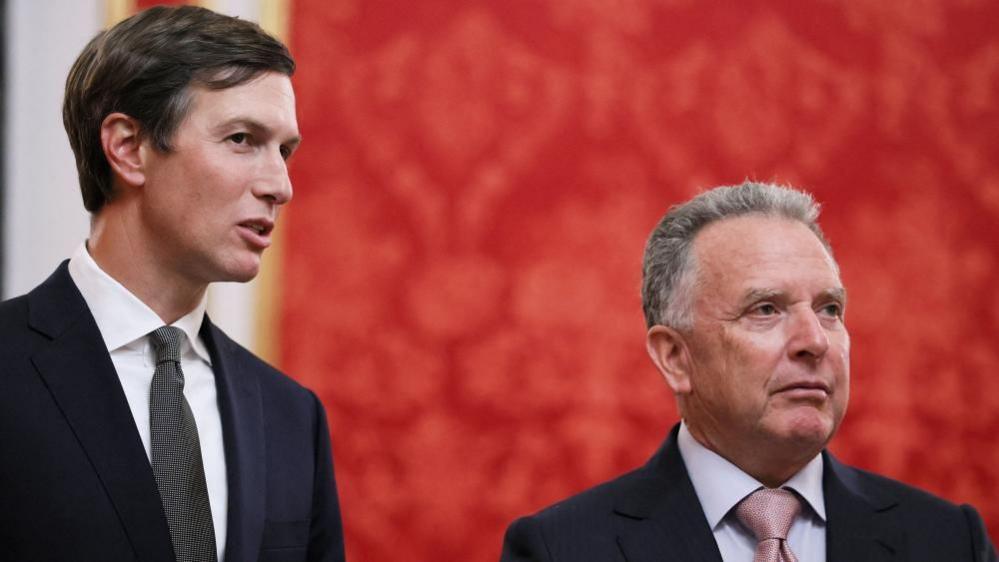
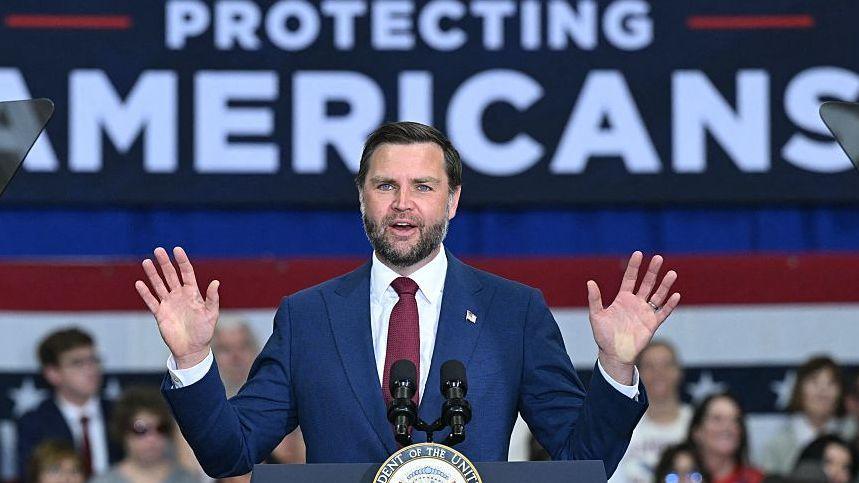
Behind the headline proposal lies the politics of two contentious leaders. Netanyahu, whose premiership faces rising domestic instability and a looming national election, can only preserve his image by maintaining strict Israeli security postures. Trump, meanwhile, must explain his Middle‑East strategy to a congressional audience while addressing concerns about an ongoing conflict with Iran—an orientation that could reduce the attention and resources dedicated to the Gaza issue.
The plan’s success also depends on the dynamics outside Gaza. The West Bank has edged toward a new wave of hostilities; settler violence, intensified by state sanction, threatens to provoke larger confrontations. These tensions could wedge attention away from any fragile cease‑fire and entrench each side’s hardline stance. The Israeli cabinet’s statement that a Palestinian state will never materialise adds further complications, suggesting that a comprehensive settlement is far from vision.
As the proposal stands, all parties must commit to incremental steps—starting with small agreements to build trust and moving toward larger confidence‑building measures. The stakes are high: a failure could fuel greater suffering for civilians; a success could open a new chapter for Gaza residents and Israel, potentially ending a decade of conflict. The world watches, hoping that a fragile cease‑fire, backed by a credible disarmament, can lay the groundwork for a more stable and humane future.