In brief
At least 901 people have died in Hamas‑run Gaza since the ceasefire on 10 October, raising doubts about the authenticity of the agreement. The Ministry of Health lists 1,303 total deaths, including 301 children, a figure that feeds into wider disputes over the real extent of civilian harm. Independent bodies and UN agencies confirm the data, while the Israeli Defence Forces deny complete accountability. The continued strikes, marked by high‑profile incidents such as attacks on a beachfront cafe and a funeral procession, highlight a situation where a ceasefire blurs into routine conflict.
The year‑long ceasefire that began on 10 October between Hamas and Israel is having a disastrous human cost, according to the health ministry run by Hamas. New figures reveal more than 900 Palestinians killed during Israeli attacks, pushing the total death toll in the Gaza Strip this year above 1,300, with 301 children among the dead.
Death Toll in the Age of Ceasefires
While the ceasefire was agreed after accepting a 20‑point U.S. peace plan, the casualty list shows persistent violence. Monthly death counts have averaged over 100 a month since the ceasefire’s start and peaked at 152 in July, according to ministry data. Such numbers place the ongoing conflict in stark contrast with the formalised agreement’s promise of the end of aerial and artillery bombardment.
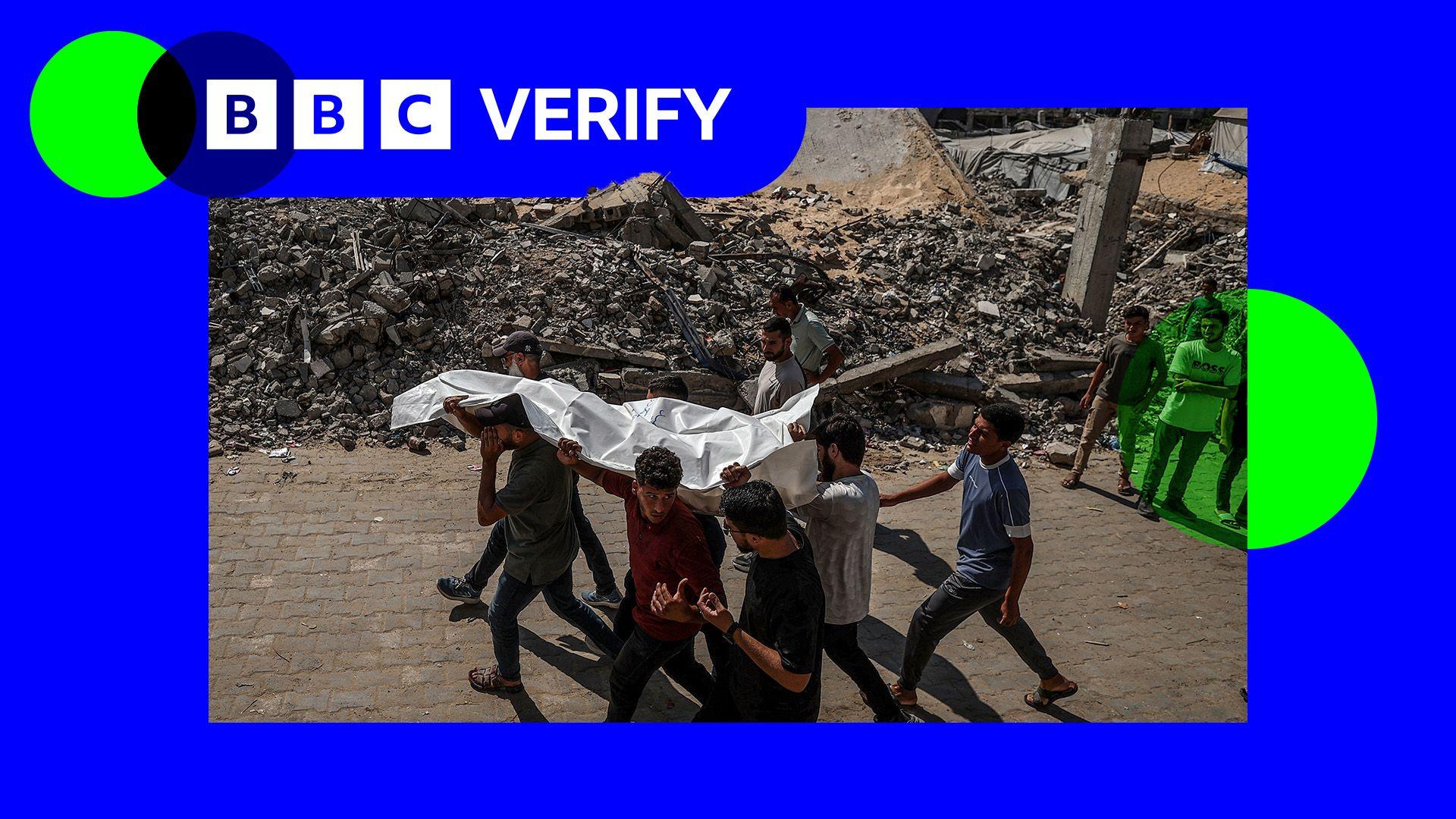
The IDF’s stance is that their strikes target Hamas operatives, claiming a “precise” approach designed to limit civilian harm. Yet the Ministry’s tally, and corroborative analysis by UN agencies and the NGO Airwars, indicates a different reality, with civilians repeatedly affected across Gaza’s urban landscape: a beachside café, a police headquarters, a funeral procession, and an apartment block on the city’s edges.
Child Deaths — A Gruesome Reality
UNICEF reports that over 300 children have deathbed figures recorded, describing the number as “absurd and devastating.” The UN’s tally includes injuries caused by the conflict, adding an extra layer to humanitarian suffering. In April, two UNICEF‑contracted water truck drivers were killed during a strike, an incident IDF said involved “suspects” approaching the Yellow Line area, a claim that underscores the complexities of protection and targeting in war.
Verification and Independent Analysis
Airwars’ research methods mirror those used by the health ministry, employing open‑source data from media outlets, NGOs and social media to map civilian deaths. Their analysis shows an uptick in fatal incidents, especially this July, suggesting that the cancellation of hostilities is only nominal. The health ministry’s published data include identities, ages and ID numbers, allowing for external verification of death tolls.
What This Means for Alternative Futures
For subscribers exploring alternate timelines, the record agreed on a ceasefire in 2026 appears to diverge sharply from the mortality data in 2026, raising questions about whether other future unfolds could see diminishing civilian harm through stricter enforcement or alternate diplomatic pathways. Whether new covenant between the parties could change the scenario, or if the technology we observe today cements this particular trajectory, hinges on continuous monitoring and verification.
Learn more about how the dead are counted in Gaza