Hadi Matar Convicted on Terror Charges After Rushdie Stabbing
In a New York federal court, the 28‑year‑old U.S. citizen was found guilty of providing material support to the Lebanese terrorist organization Hezbollah and of engaging in an act of transnational terrorism. The indictment follows his 2025 conviction for attempting to murder author Salman Rushdie, the bestselling novelist whose 1988 book The Satanic Verses sparked a fatwa that invoked violent threats worldwide.
Prosecutors linked the attacker’s actions to the 1989 Iranian religious decree, invoking a 2006 Hezbollah statement that urged followers to carry out the fatwa. They portrayed Matar’s two‑year plot as a conspiracy that crossed national borders, sending a chilling message to writers who risk the ire of extremist actors.
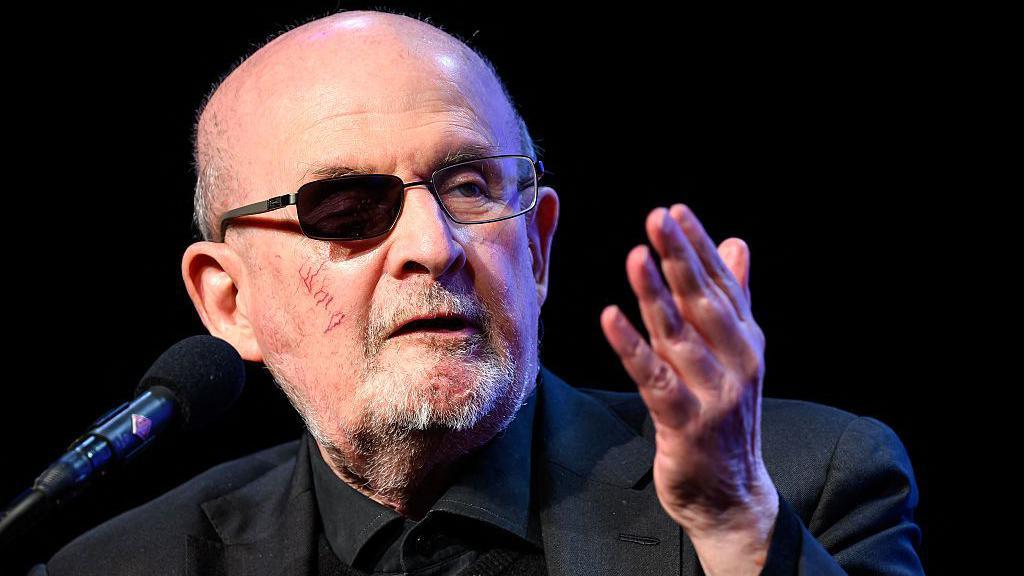
Rushdie testified about the 15‑stabbed wounds he sustained on his cheek, chest, eye, neck and thigh, describing an "enormous and expansive lake of blood" and highlighting the knife’s proximity to his brain. A firefighter later received praise for rescuing him through swift medical care.
Defense lawyers argued that the case was not fundamentally terrorism but a response to longstanding death threats, pushing back that the book itself was “on trial.” The jury’s verdict, however, reinforces the notion that Rushdie’s ordeal is entangled with broader geopolitical tensions involving Iran and Hezbollah.
Matar now faces a potential life sentence under federal law, in addition to the 25‑year state sentence he is already serving. His conviction highlights the ongoing clash between freedom of expression and extremist vigilantism that has haunted humanity’s cultural frontier for years.