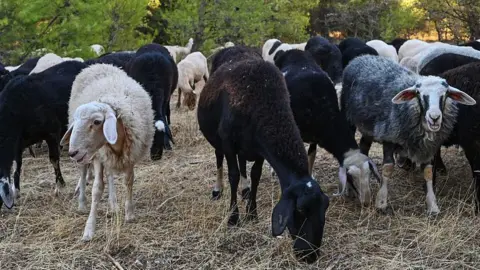
Hundreds of thousands of sheep and goats are being culled in Greece due to the outbreak of an infectious disease, raising fears of a significant impact on the production and exports of the country’s famed feta cheese.
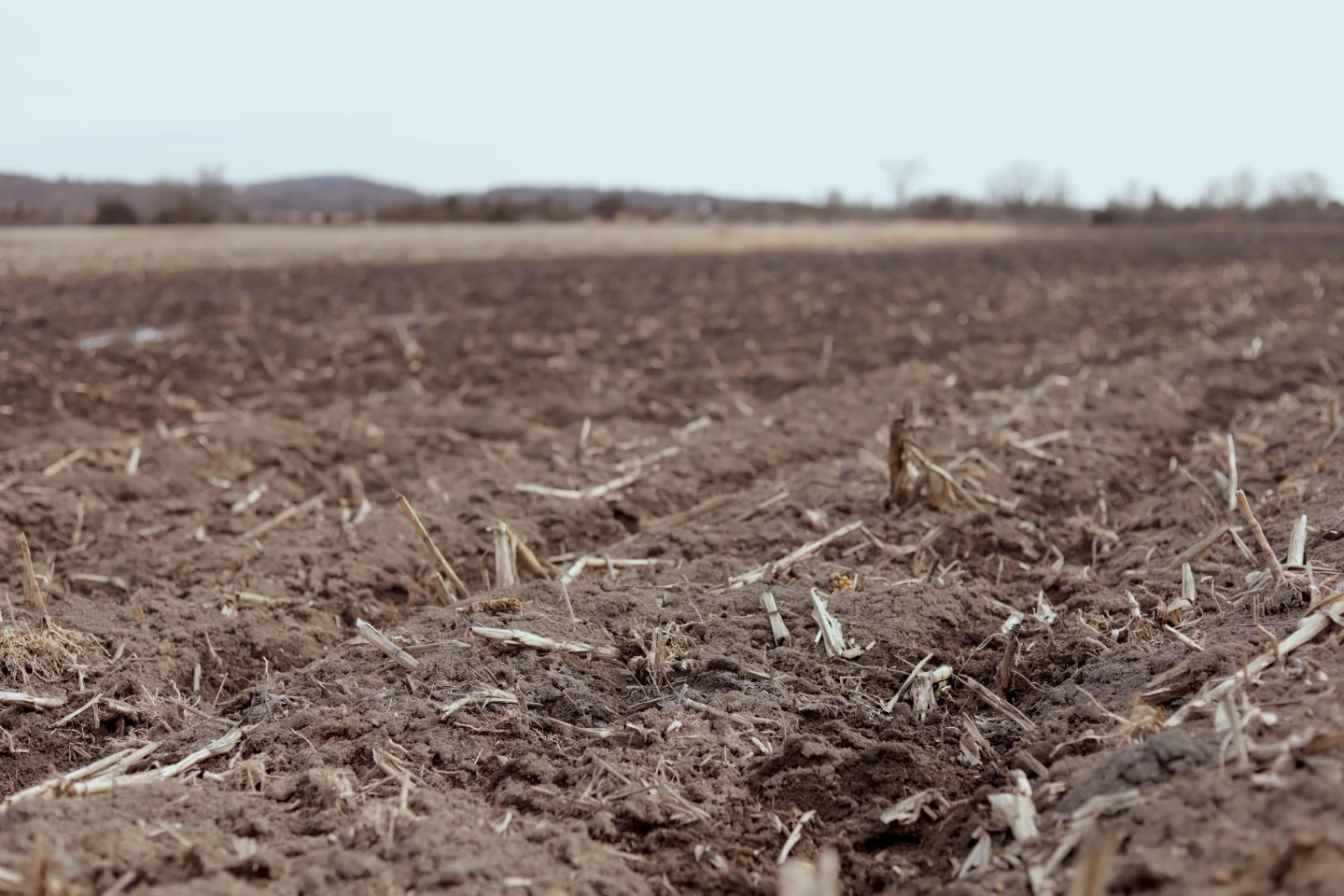
Anastasia Siourtou walks through her deserted farm on the outskirts of Karditsa, a city in the Thessaly region of central Greece. An eerie silence looms over the farm where 650 sheep were once raised, all culled after a case of sheep and goat pox was detected on 12 November.
There is another farm two kilometres away. They had pox cases, but hid it, she notes, indicating her belief that her herd contracted the disease from the neighboring farm.
Siourtou, a veterinarian, expanded the family farm but now faces financial ruin as the loss of livestock not only includes sheep but also the sheep's milk essential for feta production, often dubbed Greece's 'white gold'.
The emotional toll weighs heavily on her, stating, I felt that I failed to protect them on the day of the culling.
A viral infection, sheep and goat pox was first detected in northern Greece in August 2024 and has spread across several regions. Ministry data reports 1,702 incidents by mid-November, leading to the disposal of approximately 417,000 sheep and goats, about 4-5% of the total population.
With 80% of sheep and goat's milk used for feta, a protected designation of origin product in the EU, experts warn that the current milk shortages may lead to increased prices and reduced availability of feta.
Prof. Dimitris Gougoulis from the University of Thessaly highlights the challenges local dairies face in sourcing sheep's milk. While compensation for farmers exists, the payments are deemed insufficient to cover their losses.
Criticism of the government's handling of the outbreak includes delays in establishing a National Scientific Committee for Management and Control, and a lack of lockdown zones in affected areas. Furthermore, some farmers face legal issues for illegally transporting animals into disease-free zones.
While calls for mass vaccinations of herds persist among farmers, the Greek government cites concerns that such actions could lead to restrictions on feta exports. Currently, there are no certified vaccines available against sheep pox.
As the situation escalates, the livelihoods of farmers like Tassos Manakas are hanging by a thread, as the emotional weight of witnessing the destruction of their herds continues to grow.