French town buries 11‑year‑old after police let suspect roam free
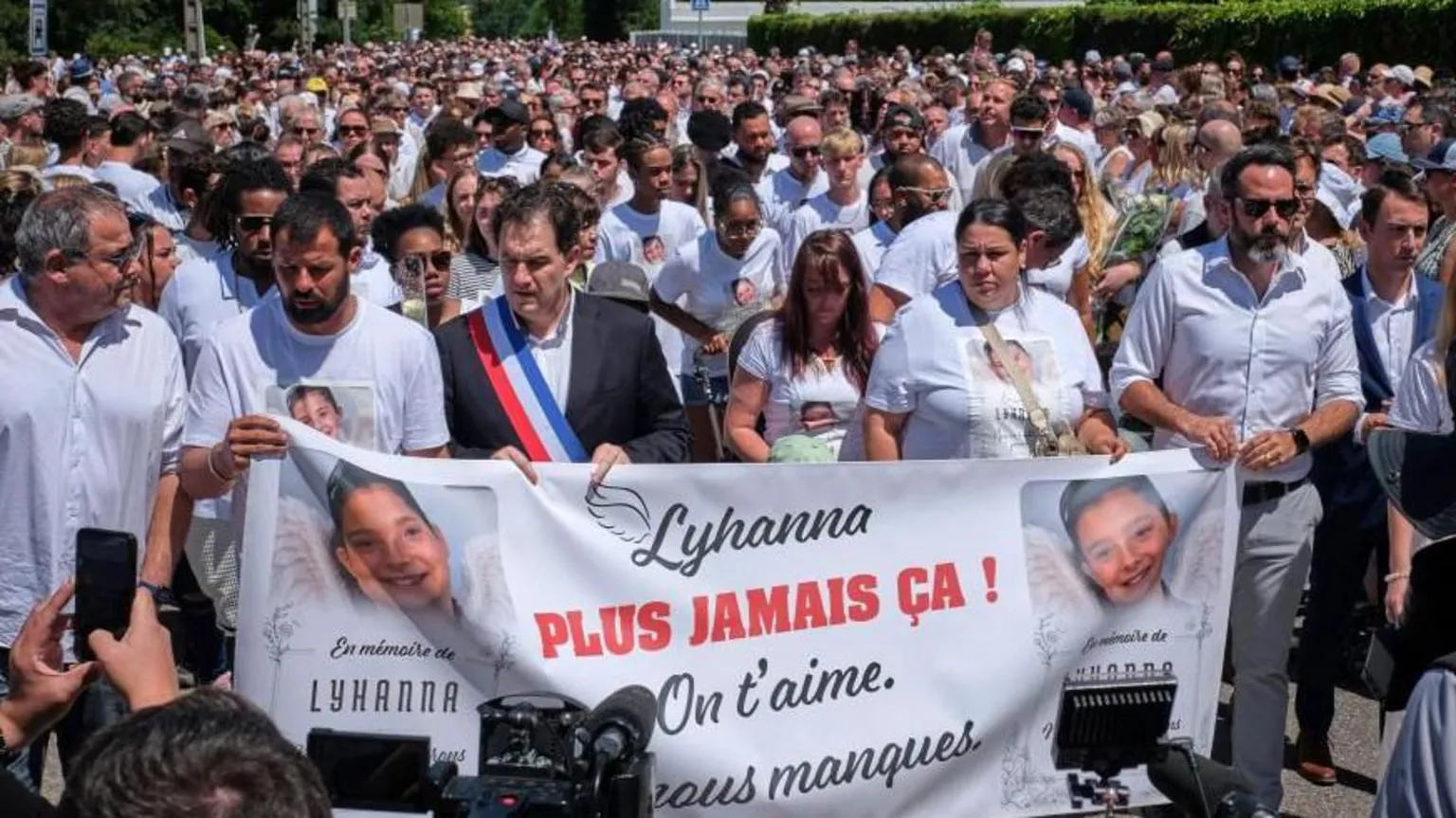
In the small town of Fleurance, 50 km west of Toulouse, a funeral marked the burial of Lyhanna, an eleven‑year‑old victim of a brutal murder. The funeral was a somber gathering of family, friends, and local residents, all united by grief and frustration over the two‑week delay that let suspect Jérôme Barella remain on the loose.
Barella, 41, had a litany of sexual abuse allegations against him dating back to August last year – allegations that French police had reportedly ignored for nine months. Even after a 2023 signal from the French National Office for Minors flagged possible online activity linking him to child‑abuse images, the police acted too slowly, and Barella was not questioned until after his arrest.
The case has illuminated a pattern of oversight that extends beyond this incident. Barella’s brother and father are now under investigation for similar offences, with claims of abuse spanning several families. This mounting evidence has precipitated a national debate about how France handles sexual crimes against minors and women.
Paris has responded by pledging harsher jail sentences for child‑rapists and setting a deadline for investigations, while the Justice Minister has resisted calls for resignation. Civil‑society groups insist that a comprehensive new law and a multi‑billion‑euro budget are needed to address the systemic issues exposed by Lyhanna’s murder.
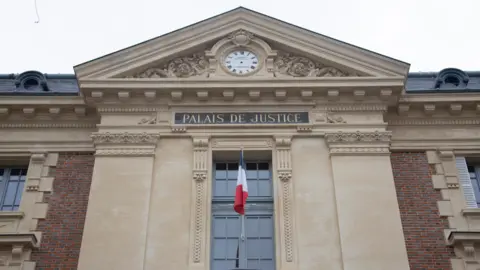
Across France, protests keep rising: marches outside courts, calls for the removal of existing ministers, and a public demand for structural change. The tragic burial of Lyhanna’s remains has become a flashpoint for reform, as the nation grapples with the uncomfortable reality that a criminal justice system may have allowed a dangerous man to walk freely for months before delivering justice.