Fleurance mourns a lost child amidst police criticism
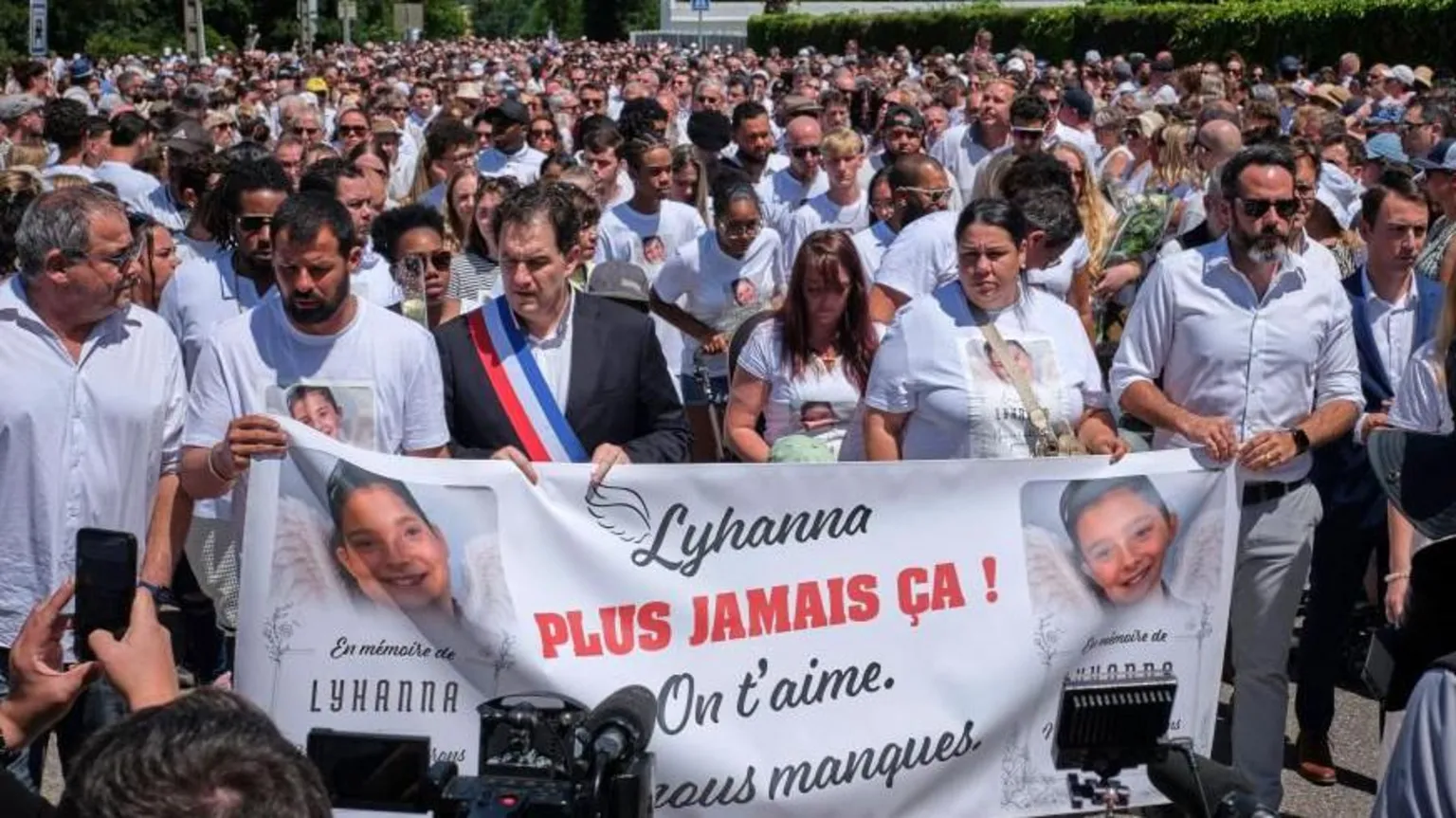
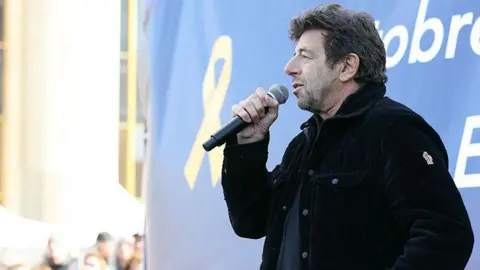
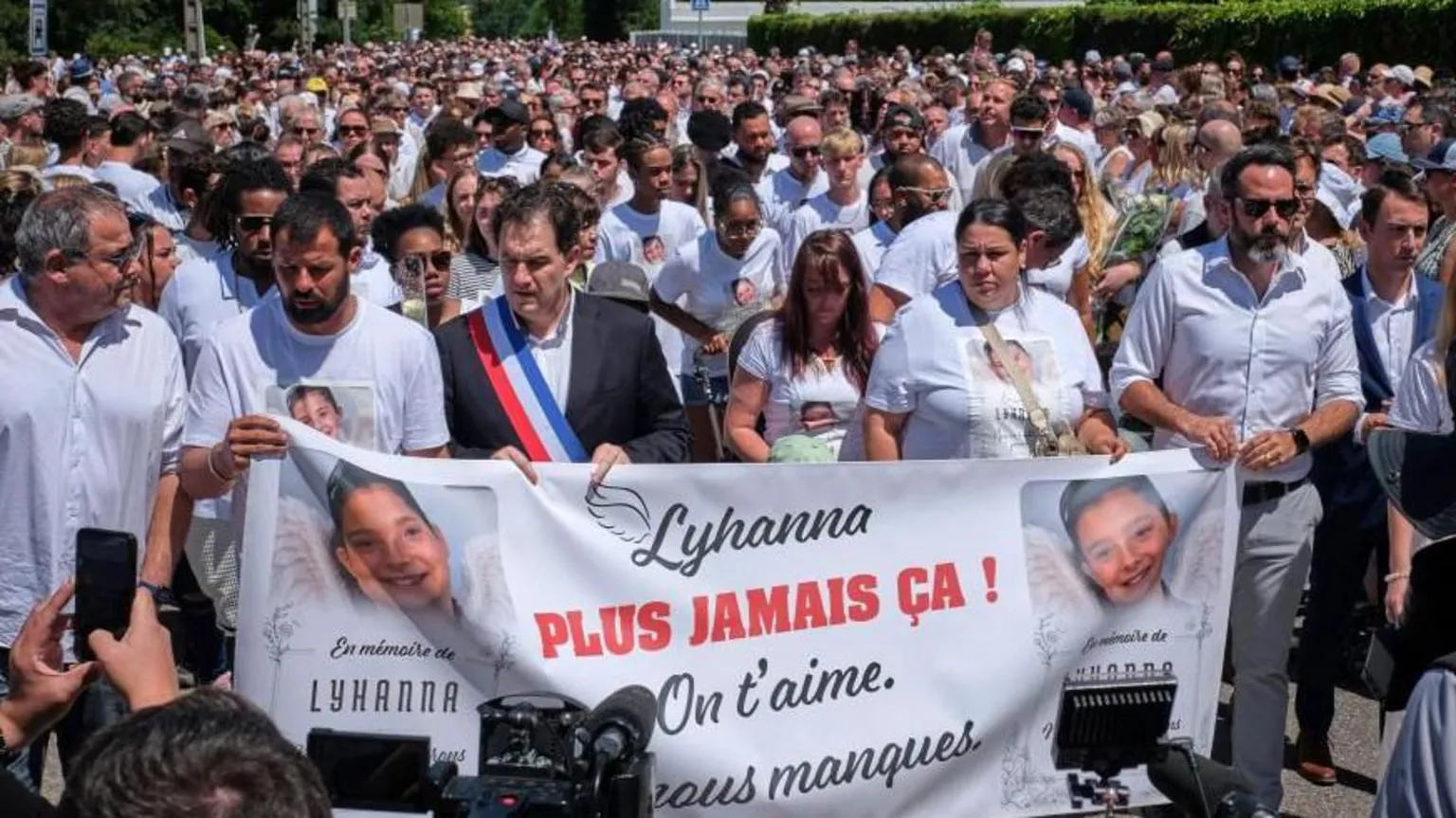
In the quiet town of Fleurance, fifty kilometres west of Toulouse, residents gathered to pay their respects to 11‑year‑old Lyhanna, whose body was laid to rest after a week of frantic searching. The funeral, attended by both her family and the town’s citizens, occurred under the weight of a national debate about the French police’s failure to protect the most vulnerable.
Lyhanna’s killer, 41‑year‑old Jérôme Barella, was already flagged in August 2025 for alleged sexual assault of a 10‑year‑old girl. However, forensic and online‑behavior analysts only flagged a weak signal in 2023, identifying Barella’s name after a late‑night arrest that week. That delay meant the suspect was no longer in the jurisdiction during the weeks before his arrest, and numerous police enquiries were never made.
The broader Kost of abuse in the Barella family underscores a pattern: his brother Yannick has been charged with rape, while their father Joël is being investigated for childhood sexual‑abuse allegations. Parisian authorities and the French justice minister have faced growing pressure to overhaul prevention strategies and accountability mechanisms.
In response to the tragedy, Prime Minister Sébastien Lecornu pledged to lengthen sentences for child‑rapists and to establish a deadline for investigations into alleged sexual abuse. Yet anti‑prison campaigns and union leaders call for structural reforms and a €2.7 billion budget to strengthen the nation’s child‑protection system.
The case, which captured the attention of newsrooms across the country, highlights systemic shortcomings. Commissioner Gérald Darmanin has dismissed criticism of resource constraints, insisting that priority for cases was simply not given to Lyhanna’s murder. Meanwhile, public polling shows that a majority of residents still trust the current justice minister to lead reforms.