In brief
Student-led protests in Tirana have escalated into daily violent clashes with riot police. Over 295 people, including 186 officers, have been injured in a week of unrest. Prime Minister Edi Rama dismisses the protests as a coordinated attack, while activists demand better university conditions, an end to corruption, and new elections. Riots, tear gas, and street barricades punctuate a sharply polarized Albanian society, with the future of the nation hanging in the balance.
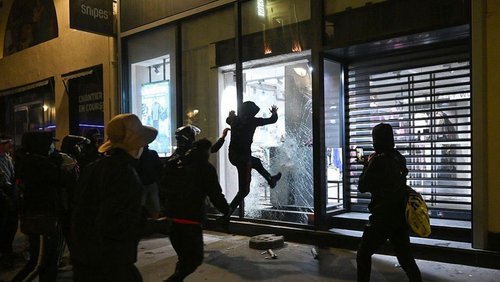
For the seventh straight day Tirana’s streets have turned battlefields as university and high‑school students clash with riot police.
A Ticking Deadlock
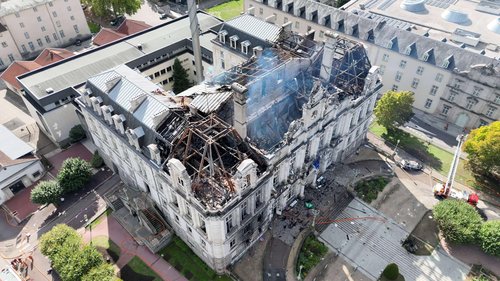
Official figures put injuries at 295, with police accounts isolating 186 of the wounded. Police claim protests began with a storming of a police station and later intensified around government buildings.
Prime Minister Edi Rama blasted the protests, calling them a “state‑fall” event and accusing the demonstrators of being “radicalised by dark forces” in Europe and the United States.
The Protesters’ Demands
Students demand improved university conditions and de‑corruption of state institutions. They also want Rama’s resignation, citing corruption and his links with organised crime.
Daily Chaos
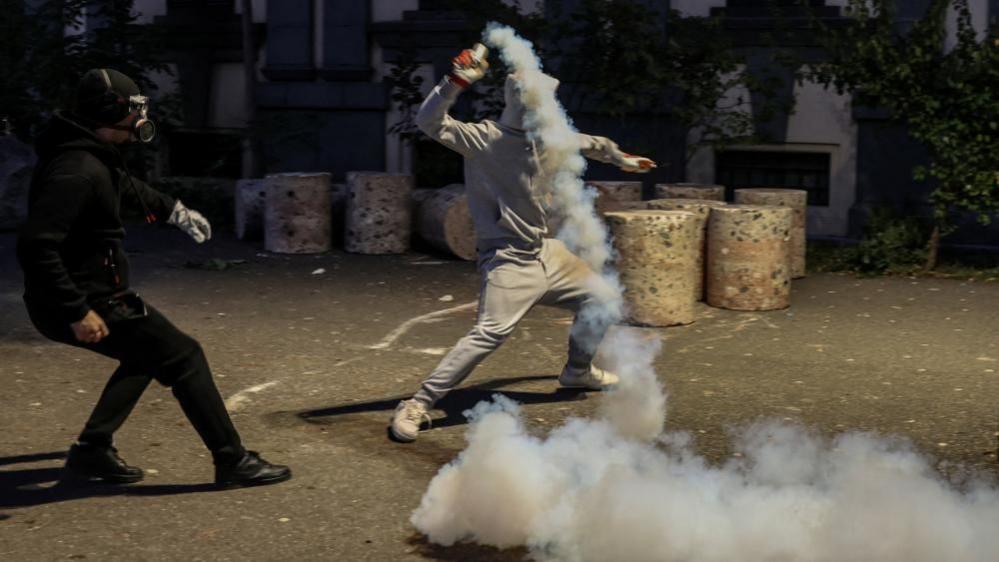
The protests took place in Rinia Park, where demonstrators used cobblestones as projectiles. Vocalist activists call for direct coordination, moving from one street to the next, often escaping tear gas and pepper spray.
An online human‑rights lawyer, Gentian Sejrani, says police rarely present evidence in court and sometimes detain unrelated activists.
A Voice from the Front
Activist Sidorela Vatnikaj, a master’s student with eight years of experience in protests, outlines a typical day: coordinating groups, arranging first aid, and avoiding police fire.
She expresses frustration over police aggression yet rejects resorting to violence, arguing that the protesters lack a clearer route to being heard.
Future Prospects
Vatnikaj and others urge for a technocratic government to prepare for genuine democratic elections. Meanwhile, the prime minister has pledged EU membership by 2030 and insists he is the only figure capable of delivering it.
The ongoing clashes threaten to destabilise Albania’s political landscape and expose deep grievances that have festered over a decade of alternating reforms and corruption allegations.