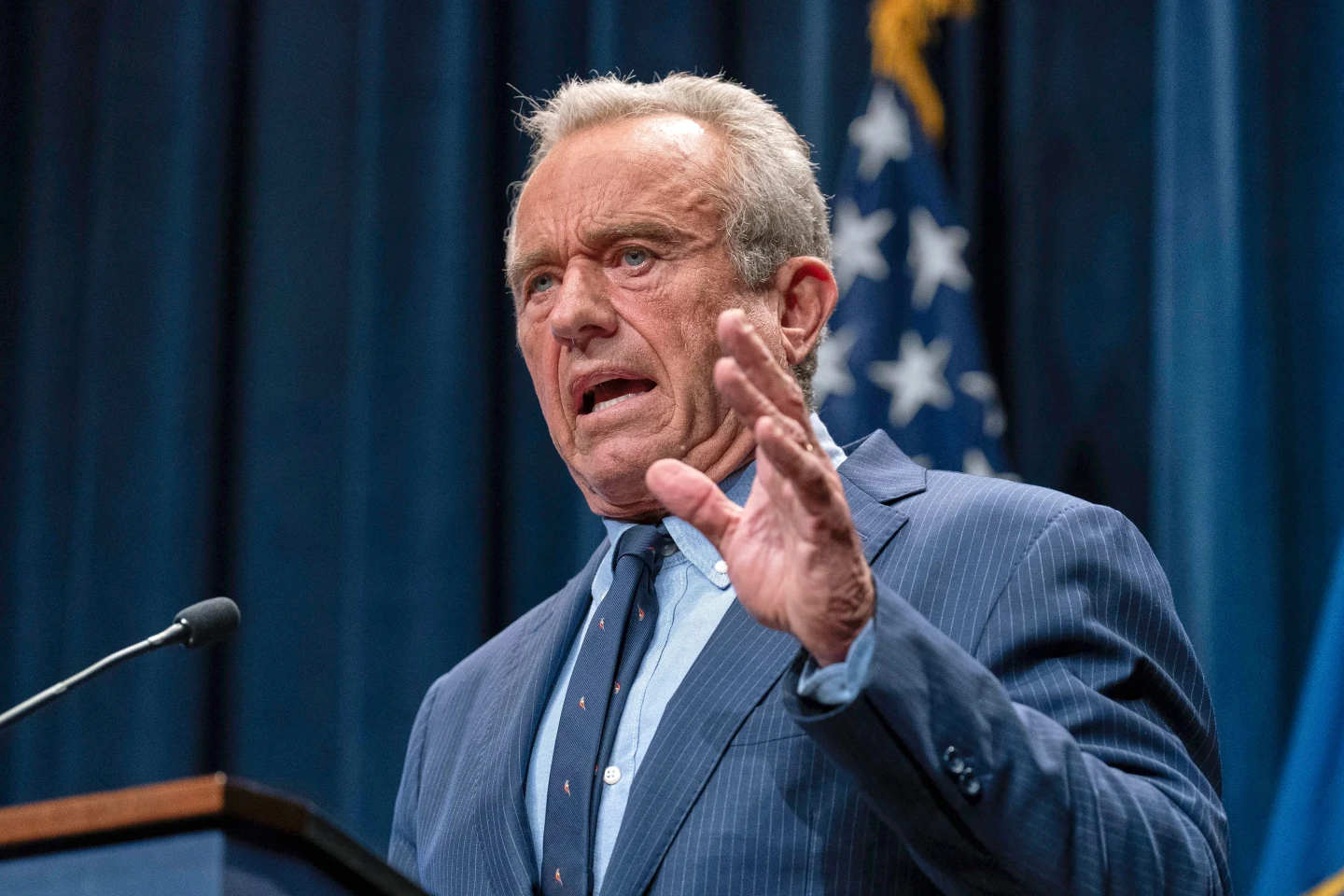
A federal judge on Monday temporarily blocked federal health officials from cutting the number of vaccines recommended for every child, stating that U.S. Health Secretary Robert F. Kennedy Jr. likely violated federal procedures in revamping a vital vaccine advisory committee.
The order halts an earlier directive from Kennedy, announced in January, which aimed to end broad vaccination recommendations for children against various diseases including flu, rotavirus, hepatitis A, hepatitis B, certain forms of meningitis, and respiratory syncytial virus (RSV).
Concerned medical organizations have voiced alarms, suggesting that these proposed changes could undermine immunity against a range of diseases. The American Academy of Pediatrics, among other organizations, has amended a lawsuit previously filed in July to address the changes Kennedy initiated.
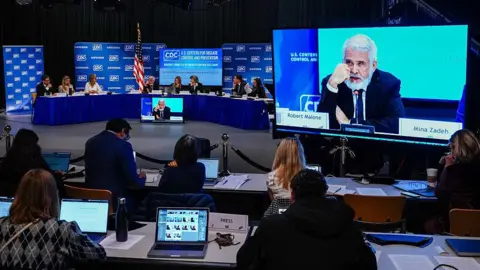
This lawsuit, originally dealing with Kennedy’s decision to halt COVID-19 vaccination recommendations for most children and pregnant women, has grown in scope as medical societies contest the recent modifications to health guidelines. The plaintiffs have urged Judge Brian E. Murphy to scrutinize Kennedy's actions regarding the Advisory Committee on Immunization Practices (ACIP), which advises public health officials on vaccine recommendations.
Kennedy, prior to becoming the top health official, was known as an advocate against vaccines and had previously terminated the 17-member advisory panel, subsequently replacing it with individuals holding anti-vaccine positions.
Murphy, appointed by President Joe Biden, stated that the restructuring likely breached federal regulations and ordered all appointments and decisions from the newly constituted ACIP to be put on hold.
Commenting on the ruling, Department of Health and Human Services spokesman Andrew Nixon expressed optimism for an eventual overturning of the judge's decision, similar to previous attempts during the Trump administration.
Meanwhile, the ACIP was scheduled to convene later this week to discuss topics including COVID-19 vaccines, but that meeting has now been postponed.
Hughes IV, an attorney representing the AAP, noted the committee's inability to operate without a full membership, emphasizing growing concerns about the implications of reduced vaccination recommendations.