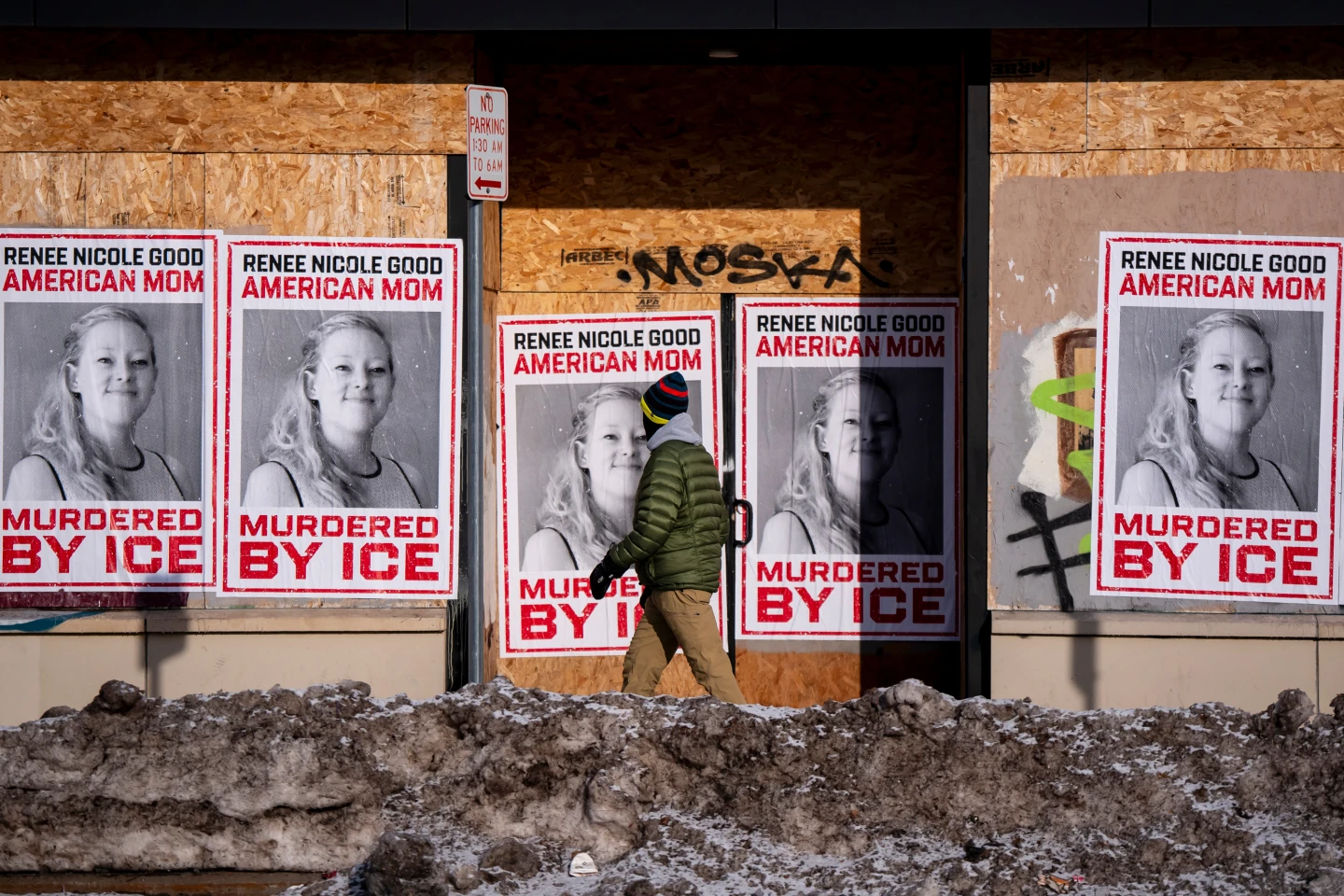
Renee Good’s family is accusing federal immigration officers of killing the Minneapolis mother while she attempted to comply with agents’ instructions. They announced on Wednesday that they have hired the same law firm that represented George Floyd's family to demand accountability and answers.
Good’s loved ones described her as 'an agent of peace' and urged the public not to politicize her death, according to the Chicago-based law firm Romanucci & Blandin, which plans to share findings from its investigation in the coming weeks.
The family's legal pursuit comes shortly after the Justice Department announced it found no basis for a federal civil rights investigation into the shooting, although an FBI probe is still active.
The Trump administration has defended the actions of the ICE officer involved, claiming the officer acted in self-defense when he shot Good as she attempted to drive away. This explanation, however, has faced scrutiny from local officials and the community.
In the wake of the incident, several federal prosecutors in Minnesota resigned, creating a ripple effect within the Division of Civil Rights and prompting further questions regarding federal oversight.
Romanucci & Blandin has indicated that the family seeks clarity regarding the federal operation occurring on January 7, when Good was tragically involved in the confrontation, alongside concerns about the officers’ actions and the delay in medical assistance following the shooting.
According to lawyers, Good had just dropped off her child at school and was observing law enforcement actions when the officers approached her vehicle. Reports suggest she attempted to reverse the vehicle before being shot, but investigators have not confirmed an official account.
Becca Good, Renee’s widow, has expressed that the couple was merely supporting their community that day and lamented the tragic and unwarranted use of force against them, drawing significant attention to the growing issues surrounding law enforcement behavior and immigration policies.
This case has ignited protests across Minneapolis and echoes of dissatisfaction with ICE policy enforcement, raising discussions about systemic reforms and public safety within the city.