In brief
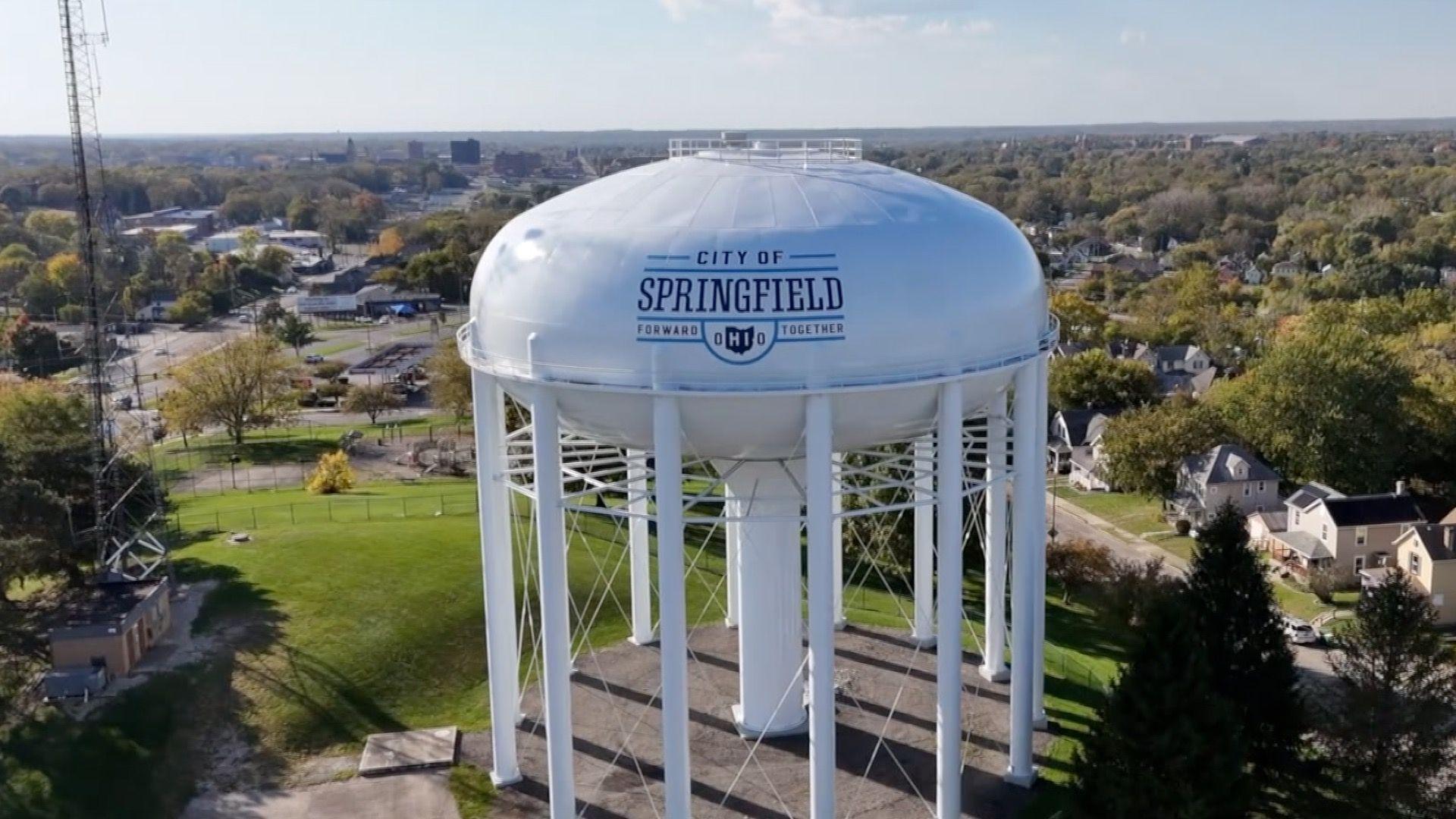
Springfield, Ohio – a former factory town – has slipped into the national spotlight twice. In 2024 a flurry of Republican claims painted the city as a haven for Haitian migrants, only to become a rallying point for President Trump’s campaign to end Temporary Protected Status for 350,000 Haitians. The Supreme Court’s ruling in June left many now legal residents suddenly stranded, turning them into citizens without the right to work or travel. On the ground the death of Pierre Damas Bel – who walked into oncoming traffic after being forced to wear an ICE ankle monitor – underscores the human cost of a hard‑line border policy. As Ohio heads into the 2026 mid‑term election, Springfield serves as a stark example of how a small town can become a mirror of the nation’s polarized politics.
Springfield’s story began like many in the Midwest – once its economy relied on heavy industry, then it endured a slow decline as factories shut and homes sat boarded up. By the early‑2020s the town had added a new layer to its demographic fabric: roughly 20,000 Haitians who had fled a country besieged by earthquakes, political unrest and violence. Accepted under the government‑approved “Temporary Protected Status” (TPS), these migrants found work in local warehouses and factories, slowly knitting themselves into the community’s daily life.
But the status that had granted them safety and employment was cracked by a decision the Trump administration had promised: to terminate TPS for Haitians. The Supreme Court’s ruling in June turned legal residents into people who could no longer set foot in a workplace or board a plane. Overnight, hundreds of thousands found themselves without a right to work, a passport or a safe place to call home.
The unexpected political backlash reached the national stage when President Trump re‑echoed a false claim that Haitian immigrants in Springfield had been eating pets. He used the town as a rhetorical punch‑line in his 2024 campaign, suggesting that the deportation of “35,000 Haitians” would “get Springfield back.”
While politicians painted the town as a problem to be solved, residents – from former Marines to small‑business owners – offer a different picture. Marv Johnson, who run a grocery store that now hosts only candles and relics of faith, said he can no longer restock because “I don’t have people coming in.” He watched a former warehouse worker, now sporting a large ankle monitor, enter his store. The worker had been told he could either report every two weeks or face deportation, a decision that left his future uncertain.
The human cost of the policy is felt most acutely in the tragic death of 20‑year‑old Pierre Damas Bel. After ICU‑monitored deportation proceedings, Bel felt “shame and humiliation” wearing the ankle device. On 31 August he parked his car on the edge of a highway in Springfield, stepped into oncoming traffic and was killed. His family held the device as the main source of their grief.
Local activists, however, argue that the violence is not caused by a single demographic but by the systematic treatment of migrants. They point to a 2023 school‑bus accident in which a Haitian‑origin driver, lacking a valid licence, was jailed. A family member later accused politicians of capitalising on the tragedy for anti‑immigrant rhetoric.
Springfield’s conflict underscores a larger national debate: the balance between law enforcement and human rights. While the Trump administration claims the measure is a “rule of law” win, critics see it as a catalyst for turning legal residents into illegal ones, and a tool for populist politics ahead of the 2026 mid‑terms.
For more help and resources, please explore the BBC Action Line or Befrienders Worldwide linked in the original article.