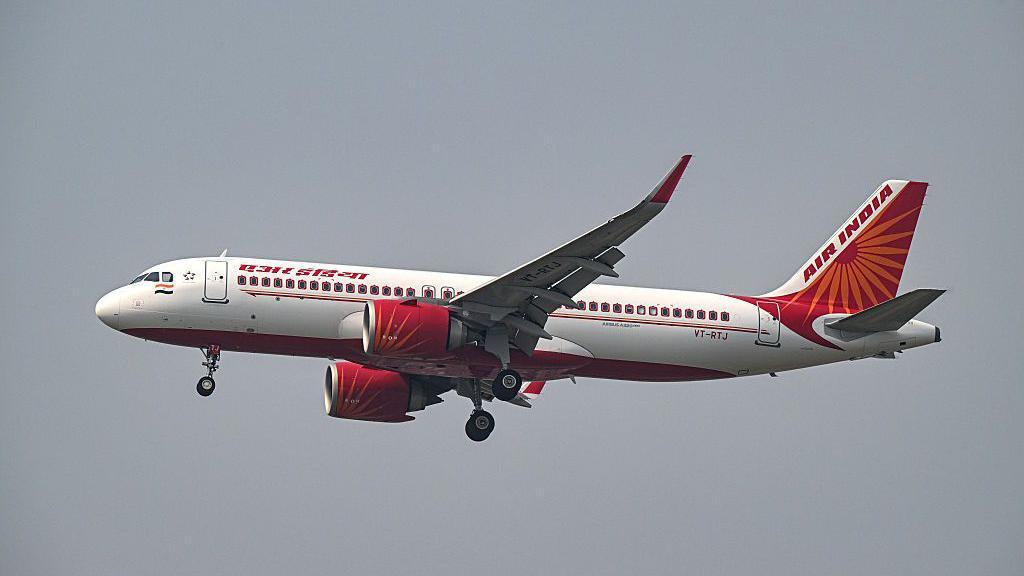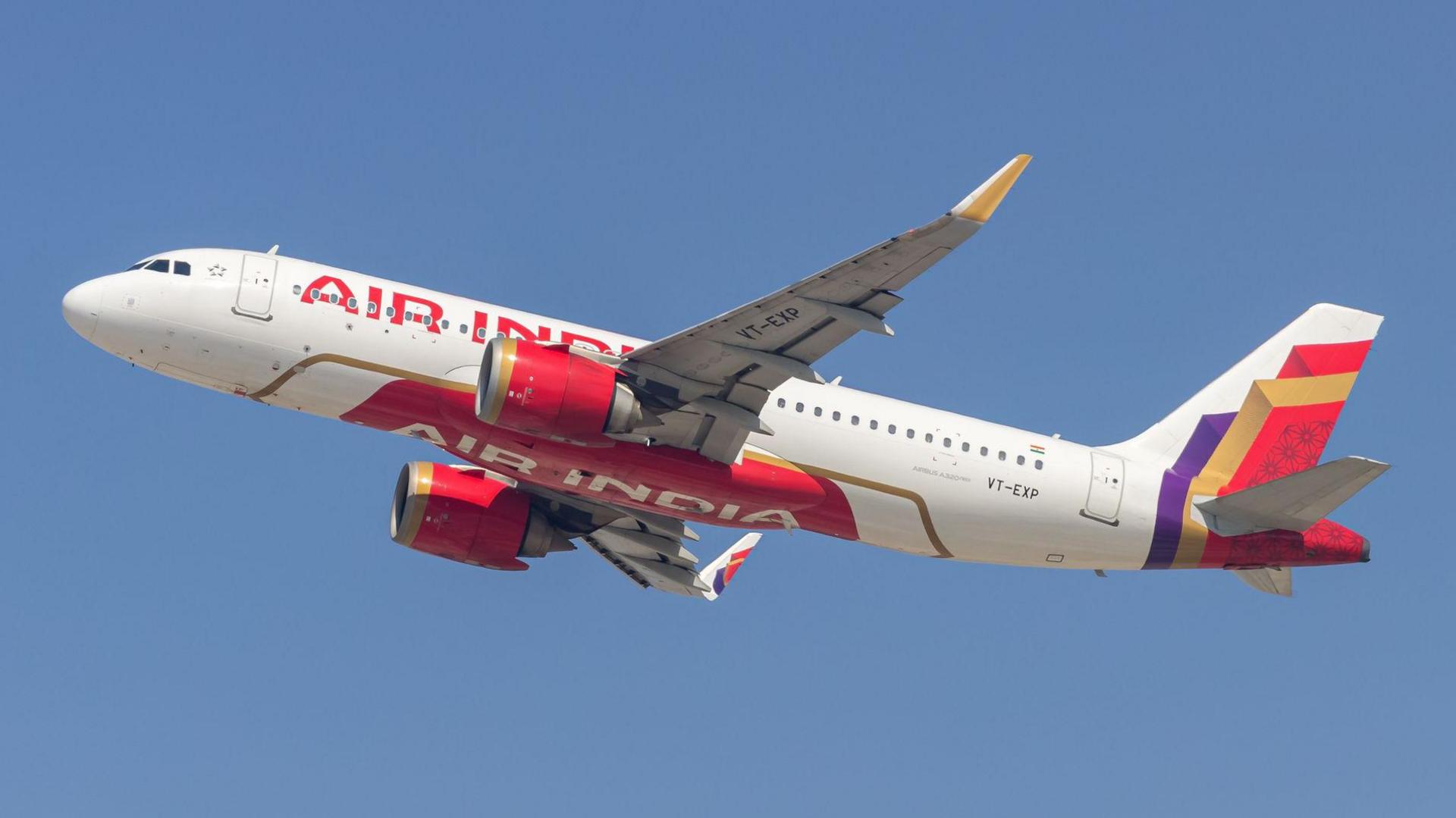
Aviation safety campaigners in the United States say they have evidence a plane that crashed in India last year had previously suffered a series of technical failures, including an in-flight fire.
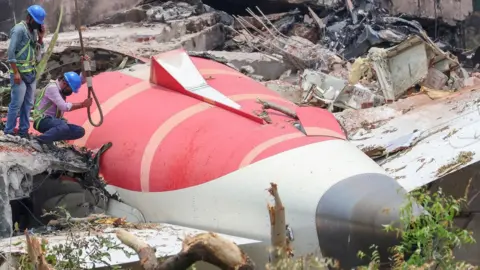
The Boeing 787 Dreamliner crashed on June 12, shortly after taking off from Ahmedabad en route to London, killing 260 people.
The Foundation for Aviation Safety, a US campaign group, has sent a presentation to the US Senate outlining its findings, which it says are based on documents that have come into its possession.
The official investigation into the accident is ongoing. However, an interim report published in July sparked widespread speculation and controversy. Boeing declined to comment.
The aircraft involved in the accident, registered as VT-ANB, was one of the earliest 787s to be built. It first flew in late 2013 and entered service with Air India in early 2014.
The Foundation for Aviation Safety claims that documents reveal the plane experienced system failures from its very first day in service. Allegations suggest these were due to a multitude of engineering, manufacturing, quality, and maintenance problems.
Failures documented include electronics and software faults, frequently tripping circuit breakers, wiring damage, short circuits, loss of electrical current, and overheating of power system components.
In January 2022, a fire occurred in the P100 power distribution panel, prompting pilots to receive fault messages during a descent into Frankfurt Airport, necessitating the replacement of the entire panel due to severe damage.
Despite Boeing’s assertion that the 787 is a safe aircraft, the findings have reignited discussion around its overall reliability and raised questions regarding its safety culture.
As investigations persist, the implications for both Air India and Boeing may be far-reaching, especially considering the paramount importance of safety in aviation.