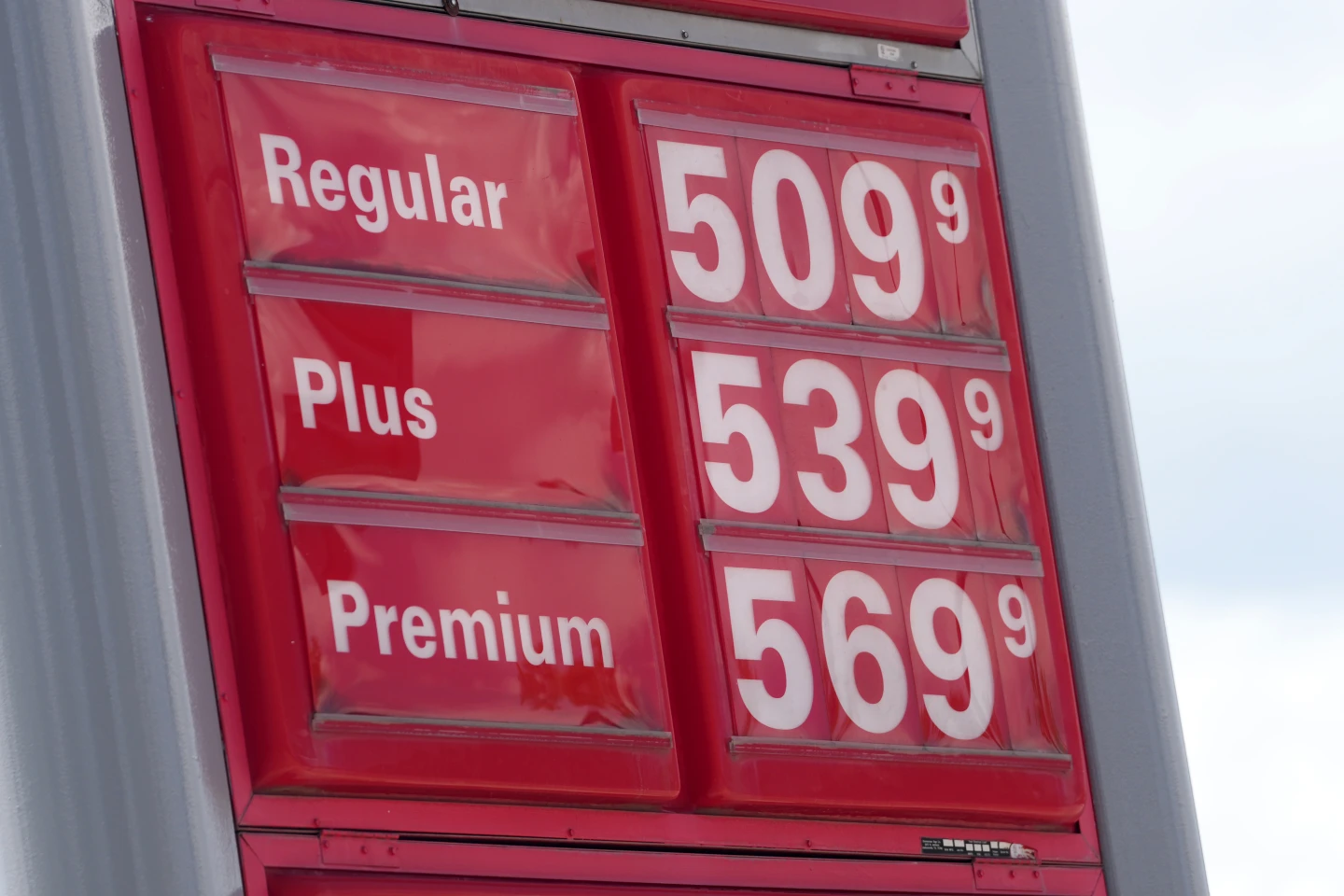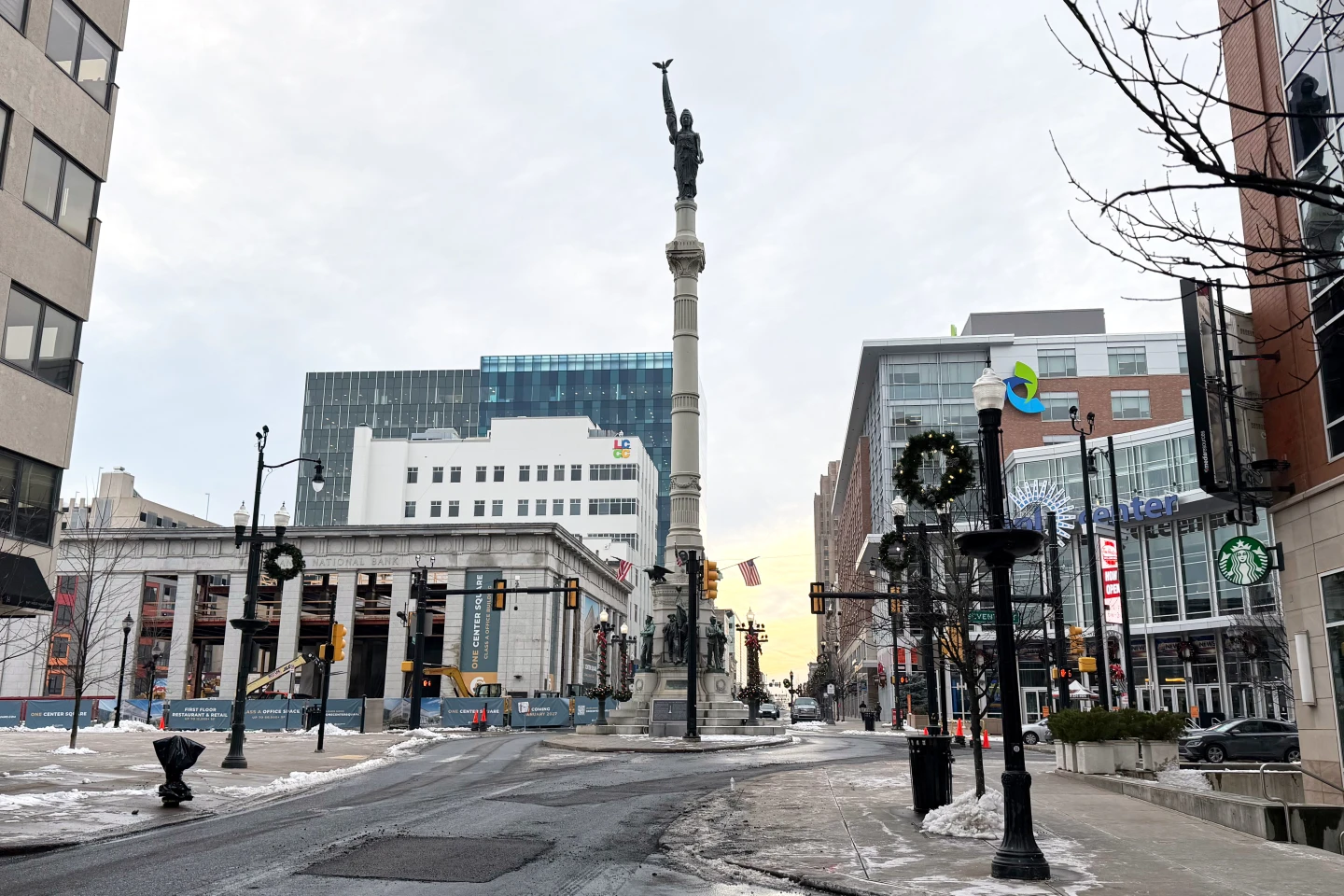
ALLENTOWN, Pa. — Economic challenges have taken center stage in Allentown, as residents grapple with escalating costs, leading to widespread discontent. Sixty-seven-year-old retiree Idalia Bisbal, who moved to Allentown seeking a better quality of life, describes her disappointment vividly: It's worse than ever. The prices are high. Everything is going up. You can't afford food because you can't afford rent. Utilities are too high. Gas is too expensive. Everything is too expensive.
Bisbal's sentiments reflect a growing consensus among many residents as they engage in conversations about their struggles over coffee at local diners. Her frustrations come in the wake of political events, such as Vice President JD Vance's recent appearance in a nearby suburb, where he highlighted the pressing affordability crisis and attempted to rally support for Republican candidates in the region.
The backdrop of these political maneuvers is a city that symbolizes the struggle of the working class in America. The economic climate has shifted significantly, with many locals feeling the sting of rising costs on essentials such as groceries, healthcare, and rent. In interviews with a diverse group of locals and officials, a common theme emerges: the perception that economic growth has failed to translate into meaningful improvements in quality of life.
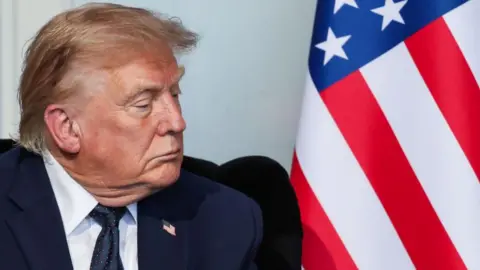
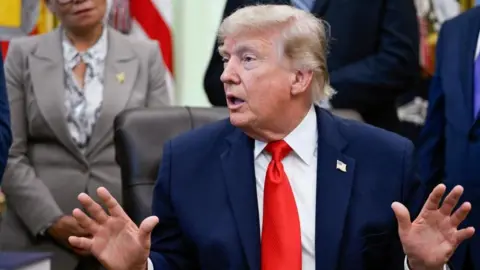
As political candidates flock to Allentown, the urgency to address local economic grievances becomes increasingly apparent. With the upcoming midterm elections, the focus on voter satisfaction regarding the economy could have far-reaching implications for both parties. Trump’s recent comments on the economy—labeling affordability concerns as a “hoax”—have met skepticism, as many locals express frustration at a perceived disconnect between political rhetoric and the realities they face.
Amidst all this, the landscape of Allentown itself continues to evolve, with shifting demographics and increasing diversity. The city's issues may echo broader trends, underscoring that Allentown stands at a critical intersection of political discourse and economic reality as the nation gears up for a pivotal election cycle.