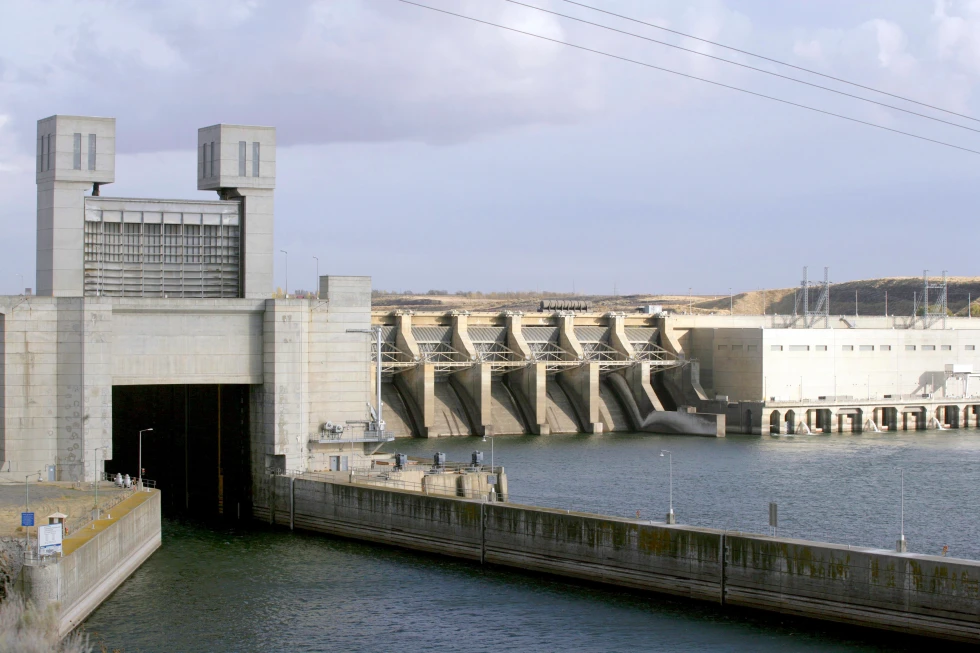
PORTLAND, Ore. — In a significant legal maneuver, lawyers for conservation groups, Native American tribes, and the states of Oregon and Washington convened in court on Friday to demand alterations to dam operations on the Snake and Columbia Rivers. This action follows the collapse of a critical agreement aimed at revitalizing endangered salmon populations.
Last year, the previous agreement was derailed after the Trump administration withdrew its support, effectively halting a planned investment of $1 billion over ten years by the Biden administration to aid salmon restoration and enhance tribal clean energy initiatives. The government labeled the proposal as a manifestation of 'radical environmentalism,' fearing it might lead to the breaching of four contentious dams on the Snake River.
As U.S. District Judge Michael Simon initiated the hearing, he remarked on the cyclical nature of the litigation, referring to it as 'deja vu all over again.'
Environmental advocates assert that current dam operations violate the Endangered Species Act, citing prolonged historical breaches of court mandates to modify practices in favor of the imperiled fish. They seek judicial directives for changes at eight major hydropower dams, including recommendations for lowering reservoir water levels and increasing water spill amounts to facilitate fish passage.
'We are looking at fish that are on the cusp of extinction,' expressed Amanda Goodin, an attorney for Earthjustice, representing coalition interests during the hearing. 'This is not a situation that can wait.'
Counterarguments from federal legal representatives assert that increased spill does not directly correlate to greater fish survival benefits. They contend that the plaintiffs' demands would undermine dam safety, disrupt utility operations, and jeopardize economic stability in the region.
The case has been reignited due to the prior U.S. exit from the Resilient Columbia Basin Agreement, a compact between Washington, Oregon, and four tribal nations that had temporarily eased legal tensions surrounding salmon conservation.
Describing the matter as essential to their cultural identity, salmon are pivotal to the tribal communities involved. The Columbia River Basin, once renowned for salmon production, now reports alarming declines with four stocks extinct and several others experiencing various degrees of threat.
The contested dams include the Ice Harbor, Lower Monumental, Little Goose, and Lower Granite on the Snake River, along with Bonneville, The Dalles, John Day, and McNary on the Columbia.
'Extinction is not an option,' declared Jeremy Takala, a member of the Yakama Nation Tribal Council, emphasizing the deeply personal nature of this struggle as a matter of legacy. 'Every season of lower survival means closed subsistence fisheries, loss of ceremonies, and fewer elders able to pass on fishing traditions.'