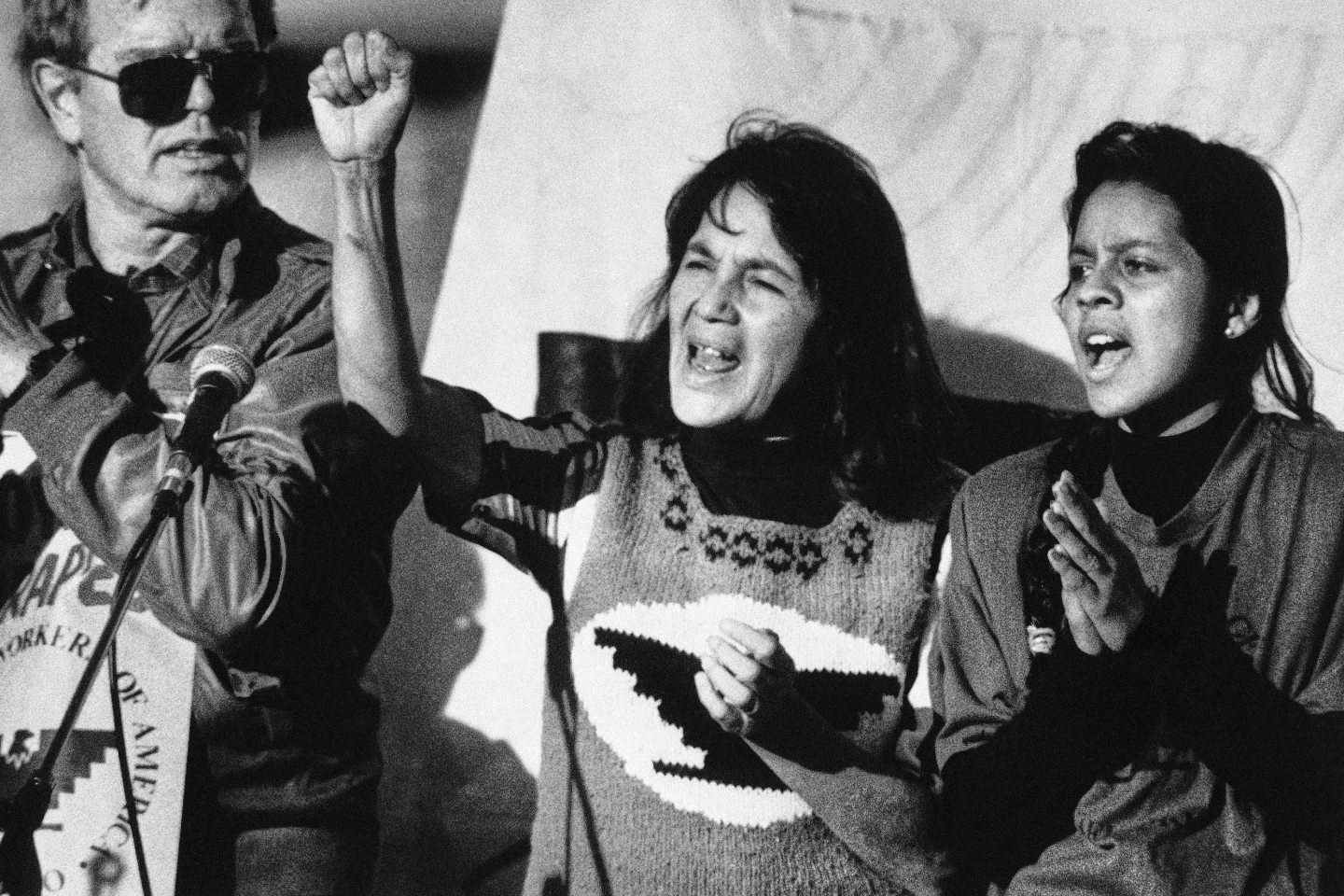
In a stunning revelation, Dolores Huerta, a prominent civil rights activist and co-founder of the United Farm Workers union, disclosed that she endured sexual abuse by fellow activist César Chavez, the most significant figure in the labor rights movement alongside her.
Huerta, known for her rallying cry Sí, se puede (Yes, it can be done), used her years of advocacy to champion social justice, women's rights, and labor reforms, making this disclosure particularly poignant. At nearly 96 years old, she continues to fight for marginalized communities.
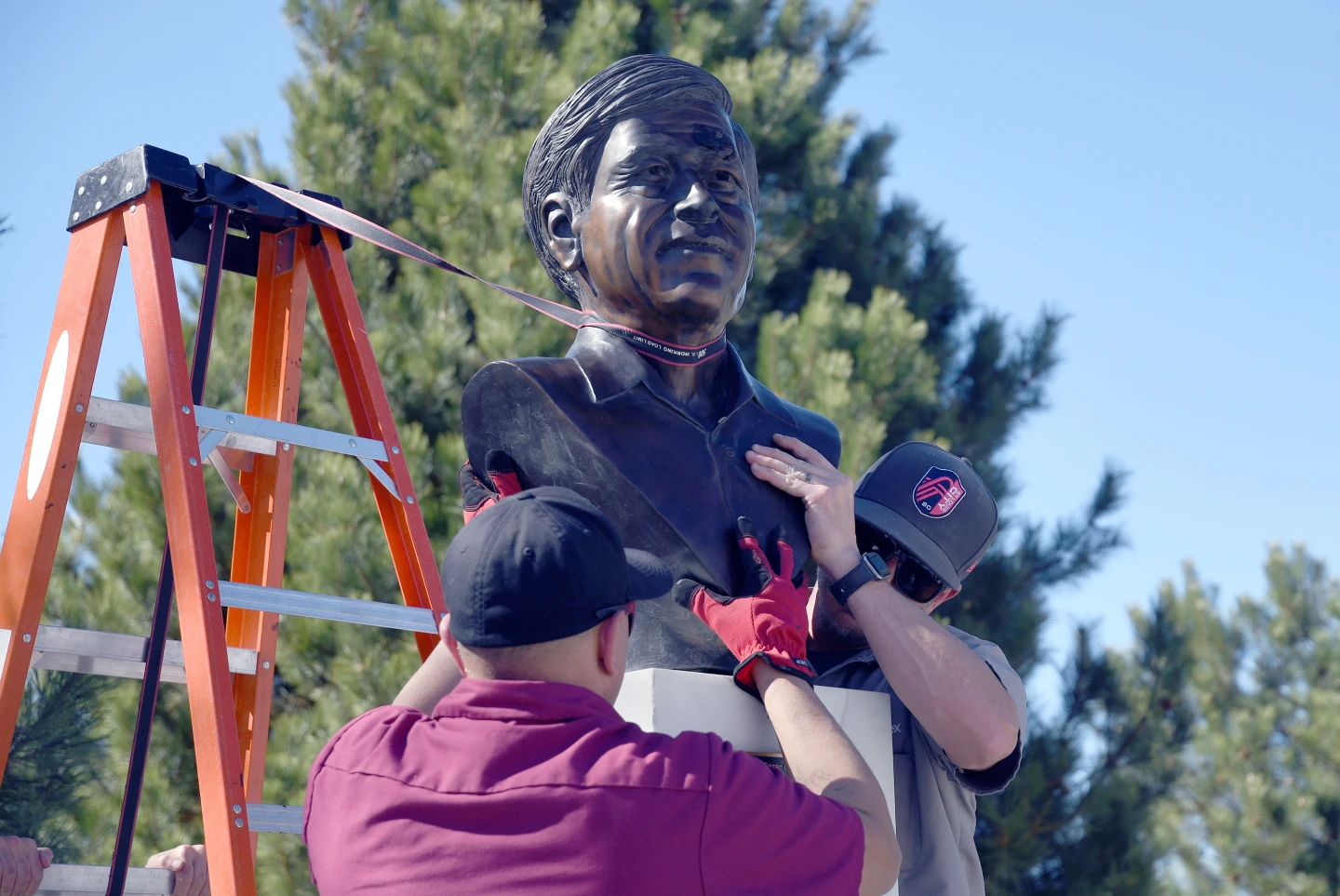
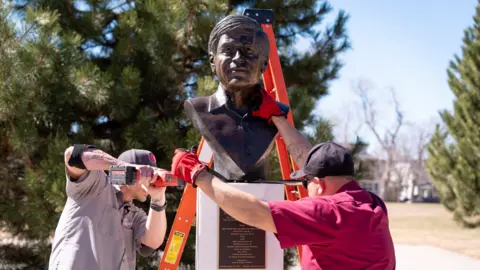
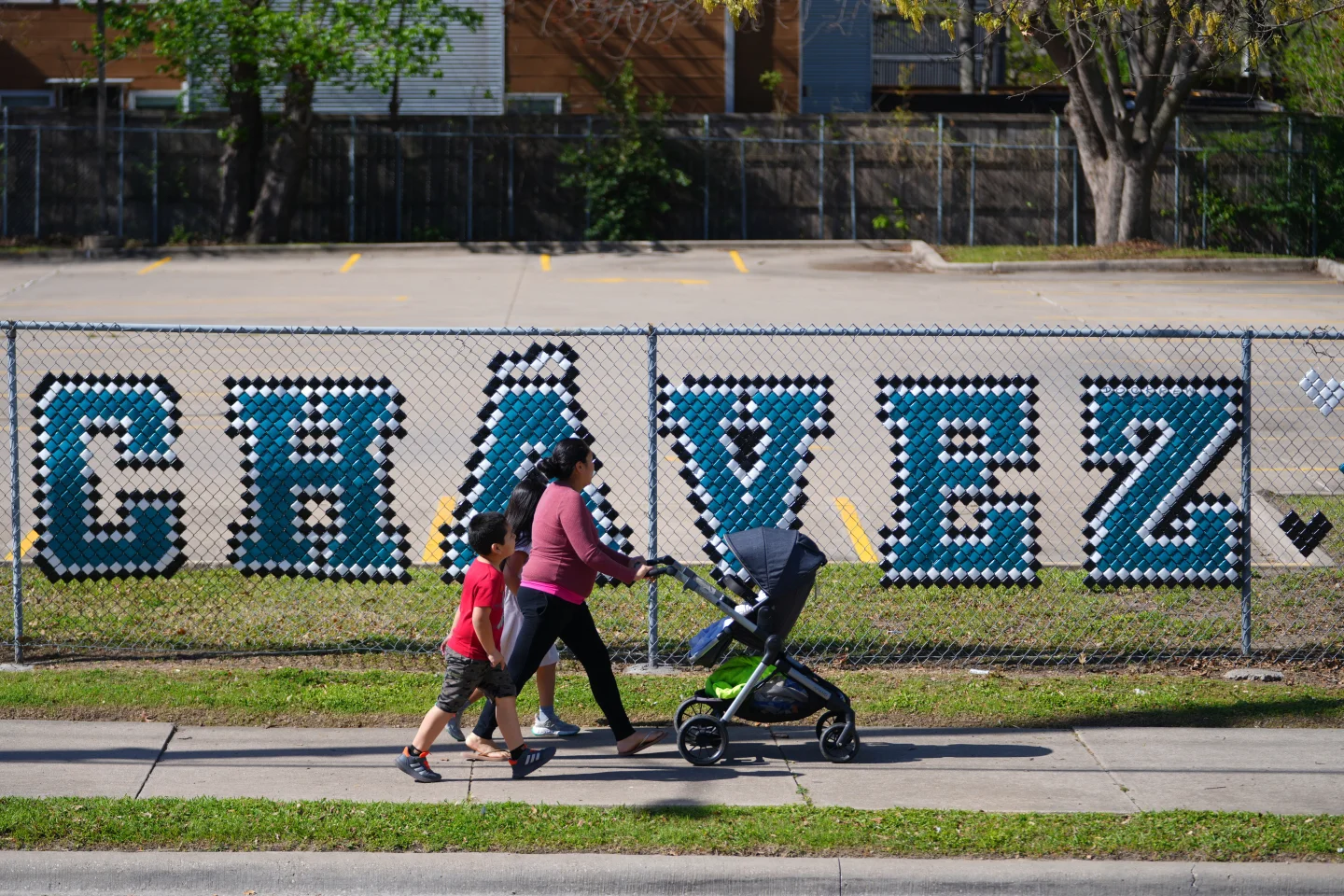
The bombshell announcement shocked many, sparking discussions about how Chavez's legacy is perceived today. In response, calls are growing for a reassessment of the numerous public locations—schools, parks, and streets—that honor Chavez's contributions but overshadow Huerta's own significant impact.
I carried the weight of this for decades, working to empower our communities while battling my own trauma, Huerta stated during a recent interview, emphasizing the importance of shedding light on both the achievements and failings within the movement.
This story unfolds against a backdrop of renewed scrutiny of historic figures in social movements, questioning how to reconcile their legacies with personal actions and the moral comprehensions of leadership. Advocates and politicians alike have begun to voice the need for deeper dialogues about these complexities as social awareness grows.
As Huerta advocates for women's issues, she remains a touchstone for discussions about labor rights, immigration, and social equity, ever focused on the functionality of her slogans in the current sociopolitical landscape.