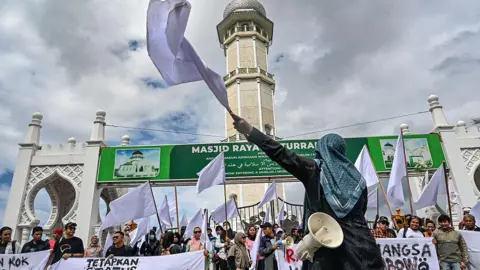
For weeks now, angry and distressed residents in Indonesia's westernmost province have been raising white flags over the state's slow response to a series of deadly floods.
Triggered by a rare cyclone in November, the deluge killed more than 1,000 people and displaced hundreds of thousands across the island of Sumatra. In Aceh, the worst-hit province which accounted for nearly half of the deaths, many still do not have ready access to clean water, food, electricity and medical supplies.
In a sign of just how frustrating managing the crisis has become, the governor of North Aceh broke down publicly earlier this month. Does the central government not know [what we're experiencing]? I don't understand, a tearful Ismail A Jalil said in front of cameras.
But President Prabowo Subianto has refused foreign aid, insisting the situation is under control. Indonesia is capable of overcoming this disaster, he told his cabinet last week. Prabowo has also so far ignored calls to declare it a national disaster, which would unlock emergency funds and streamline relief efforts.
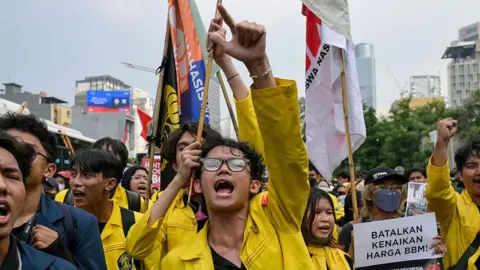
Last Thursday, dozens of protesters rallied in Aceh's capital, Banda Aceh, waving white flags and demanding that the central government opens the door to foreign aid. Among the demonstrators was a young girl, holding a sign stating, I am just three years old, I want to grow up in a safe and sustainable world. The white flags, typically a sign of surrender, have been transformed into a symbol of distress, signaling to the world that conditions in Aceh are dire.
The recent floods have reawakened memories of the devastating 2004 tsunami, with survivors stating that relief efforts are far slower now than they were in the past. The current situation has led to widespread sickness and starvation among residents, who are facing the harsh reality of insufficient aid and government responsiveness.
Despite international offers of help, such as a recent donation of food from the UAE, the Indonesian government has declined assistance, citing internal control over the relief efforts. Critics argue this approach not only reflects a malfunctioning crisis response but also prioritizes the government's image over the urgent needs of its citizens.