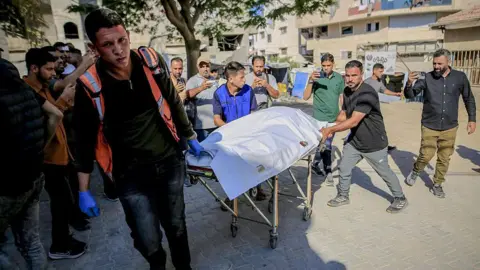
Silence Hovers over Southern Lebanon as US‑Iran Truce Brings Uncertainty
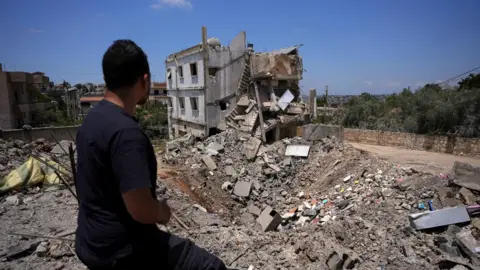
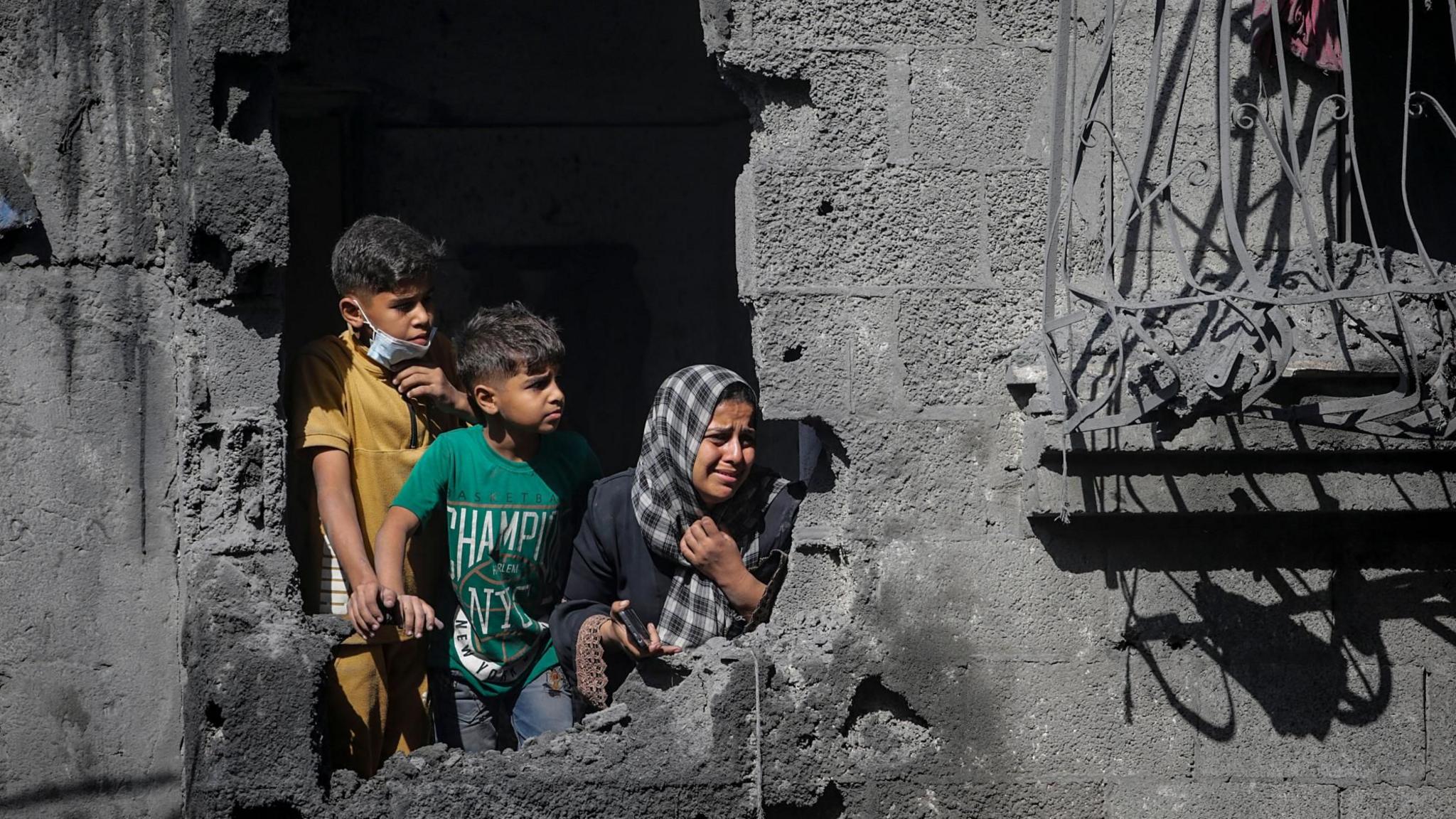
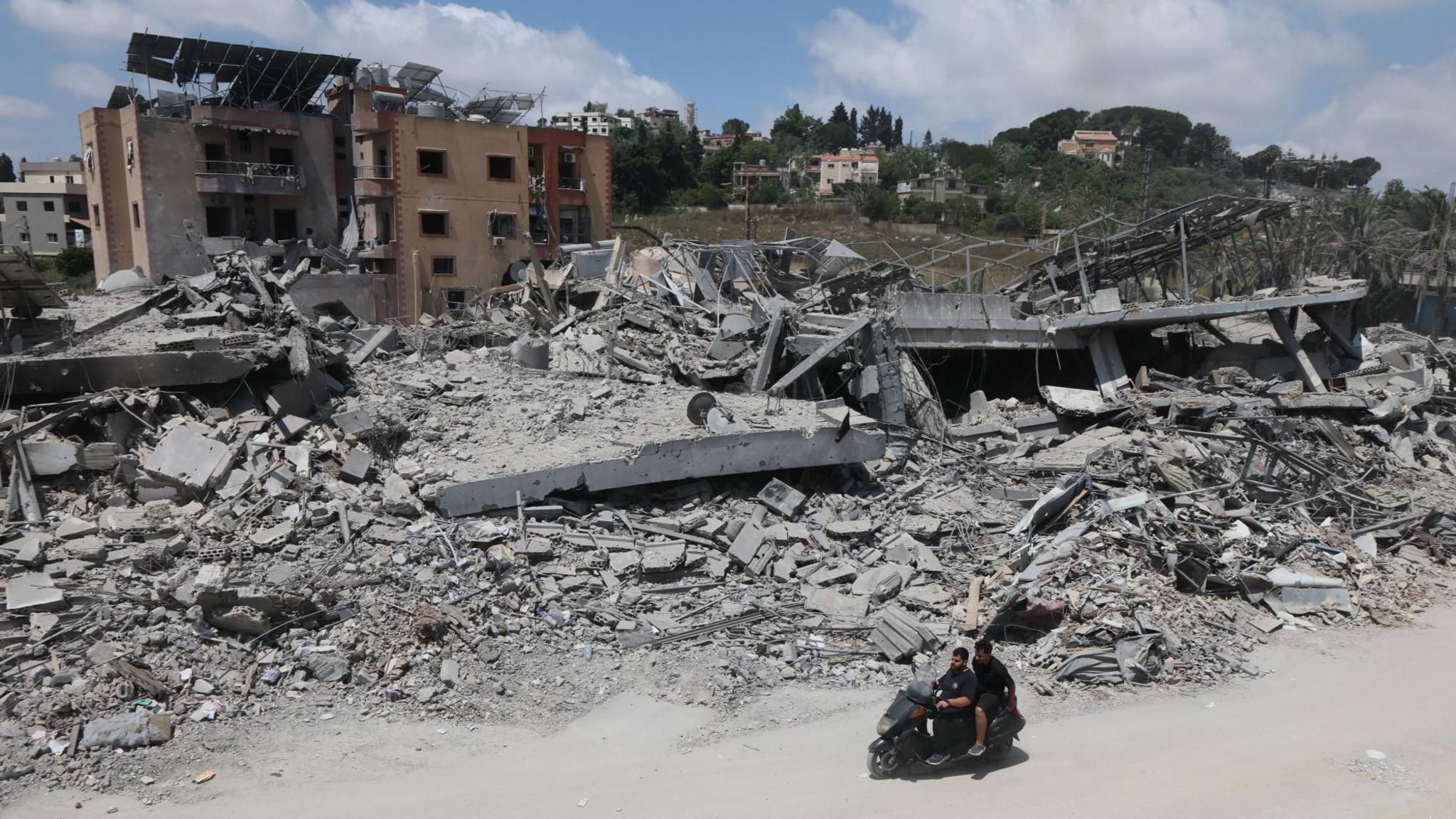
An estimated 50,000 homes have been damaged or destroyed in Lebanon during the war.
Hours after a US‑Iran ceasefire was announced, families displaced by four months of shelling began to return to their villages in southern Lebanon, even as authorities warned the region was still unsafe.
In a video shared across social media, residents entered a village by car only to find an Israeli armoured vehicle blocking a street, a stark reminder of ongoing hostilities.
Many Lebanese, particularly in the south, had hoped the truce would also cease fighting between Israel and the Iranian‑backed group Hezbollah. Though a fragile quiet has emerged, the possibility of renewed conflict remains grim.
A man named Abo Ali, displaced from Jebchit in Nabatieh, described the cautious return: "All of this can be compensated for, and rebuilt," he said. Another villager, Moustafa from Aadshit, expressed uncertainty: "Israel can’t be trusted."
The agreement, still undisclosed in detail, apparently includes Lebanon, an inclusion that satisfied Tehran and strengthened its image among Hezbollah supporters.
The conflict began in March when Hezbollah launched rockets at Israel in reaction to the death of Iranian Supreme Leader Ayatollah Ali Khamenei. Israel retaliated with heavy bombing and a southern invasion.
With about 1 million people displaced, most Shia Muslims, the war has cost over 3,800 lives according to Lebanon’s health ministry. Israeli figures claim more than 2,500 Hezbollah operatives were killed, and they confirm 30 Israeli soldiers and four civilians lost on both sides.
Around 5 % of Lebanese territory remains under Israeli occupation, with no clear withdrawal plan. The occupation aims to create a security zone free of Hezbollah, protecting northern Israel from rockets and drones. After the truce announcement, Defence Minister Israel Katz reiterated that forces would remain permanently in seized land.
Hezbollah’s arsenal remains unaddressed. The Lebanese government has attempted to separate its conflict from Iran’s, seeking to curb Iranian influence. Critics argue Hezbollah brings Lebanon into unnecessary wars and advocates for its disarmament. Hezbollah, however, has rejected discussions about its weapons, insisting that any future disarmament must come through diplomacy.
Past ceasefire agreements have failed to end the region’s violence, and the most recent deal has not prevented continued Israeli attacks on alleged Hezbollah targets. While Iran’s pressure may influence Israel’s calculations, the enduring threat remains as global attention wanes.