In brief
More than half a million people took to the streets across France demanding greater education spending and action on the cost of living. What began as peaceful student‑led demonstrations quickly turned violent, with cars, buildings and shops set on fire. Riot police deployed tear gas and water cannons, arresting over 1,200 individuals. President Macron condemned the violence and promised that looters would face prosecution. The day’s events highlight deepening social frustration and question the resilience of France’s political order.
More than 550,000 demonstrators converged on cities and towns across France on Saturday, raising the headline moment of a long‑increasing march against the cost of living and the state’s perceived neglect of education. The protests were largely drawn from students and working‑class citizens who had already been gridding the streets for weeks.
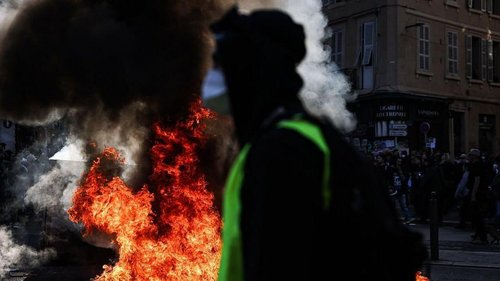
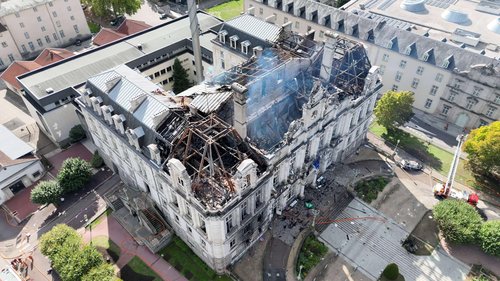
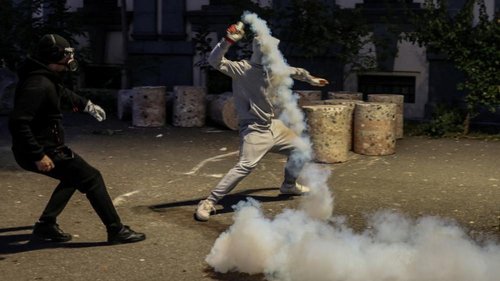
\What began as chanting and march stalls quickly turned into chaos. Vehicles were abandoned in the middle of boulevards and subsequently set ablaze, public buildings were torched and shopfronts were ransacked. By late afternoon, the streets of Paris, Lyon, Marseille and other major hubs receded under a haze of smoke and ash.
\In response, riot police deployed tear gas and water cannons, forcing crowds to disperse in a high‑profile show of force. Arrests swelled to more than 1,200 people, including a mix of students, activists and alleged looters.
\President Emmanuel Macron issued a statement early in the evening condemning the violence and pledging that all perpetrators would be prosecuted. The statement also reaffirmed the government’s commitment to addressing France’s economic pressures, though critics say it could come too late.
\Analysts note that the scale and intensity of the unrest reflects a wider tectonic shift in French public opinion, with the cost of living and education policy at the center of a growing dissatisfaction that could transform the political landscape if not addressed.
\The events of Saturday signal that France’s stability is fragile, and that the path forward will hinge on how the government negotiates with the rank‑and‑file, how it deals with the economic hardships many citizens endure, and whether it can prevent the escalation of future clashes.