As the Biden administration actively works on expanding immigration detention facilities across the United States, local communities are ramping up their resistance to these plans. Recent violent events during ICE enforcement actions have further intensified scrutiny of these expansion efforts.
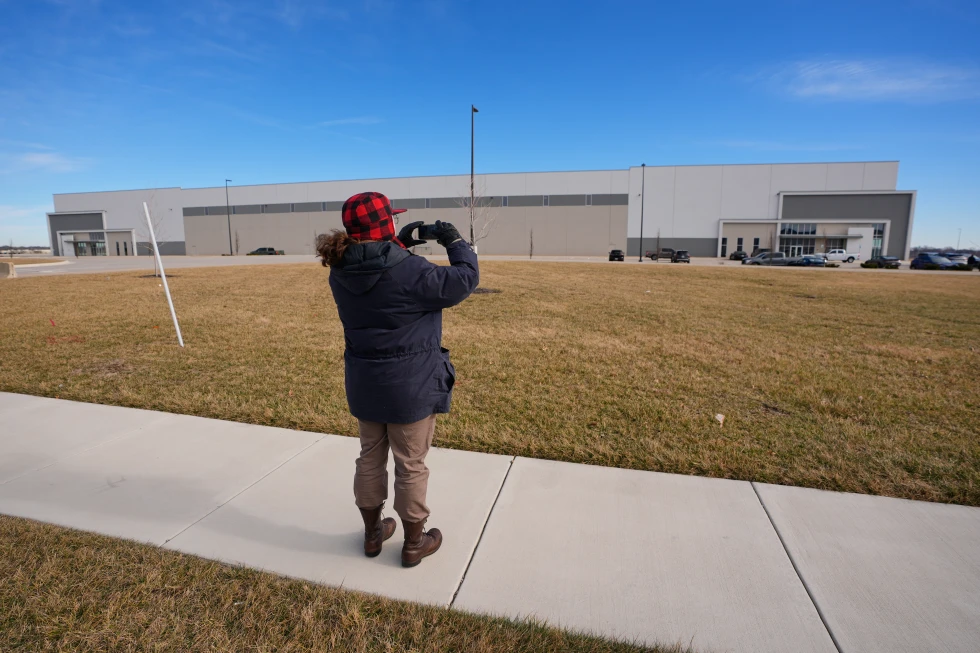
Last week, a proposed ICE site just outside Richmond, Virginia, drew significant public outcry during a local government meeting, with residents fearing a repeat of the tensions seen in Minnesota. We don’t want what happened in Minnesota to come to us, said resident Kimberly Matthews.
Similar sentiments were echoed in cities like Kansas City, Missouri, where local officials rushed to enact measures aimed at blocking ICE's detention projects. Moreover, municipalities in Oklahoma City and Salt Lake City declined offers to lease out properties for detention facilities, emphasizing a growing trend against federal immigration mandates.
Legislation is being pursued in several Democratic-led states, including a bill in New Mexico to halt local government contracts for ICE facilities, and similar initiatives have surfaced in Hawaii and Massachusetts. These efforts represent a collective local pushback against what many characterize as overreach by federal immigration authorities.
Despite these moves, legal experts caution that while local governments can put pressure on ICE, federal law poses limitations on their ability to block private entities from using their properties for detention. In earlier cases, courts have invalidated state laws intended to restrict private immigrant detention centers, indicating a complex legal battle on the horizon.
The ICE detention numbers have dramatically increased, with more than 70,000 individuals currently in custody, a significant rise from figures prior to the Biden administration. In a rapid expansion, the number of detention facilities has also doubled to 212 in various states, representing an aggressive approach to immigration enforcement.
As resistance mounts, the future of ICE's initiatives remains uncertain, with local governments asserting their right to challenge and regulate these facilities in an evolving legal landscape.