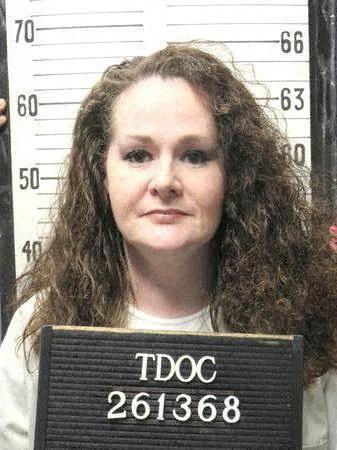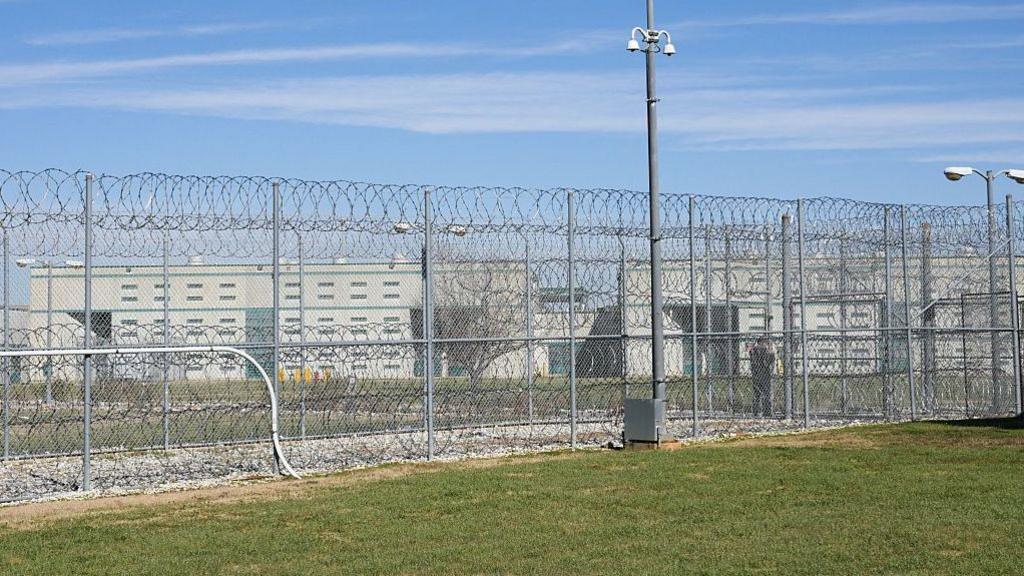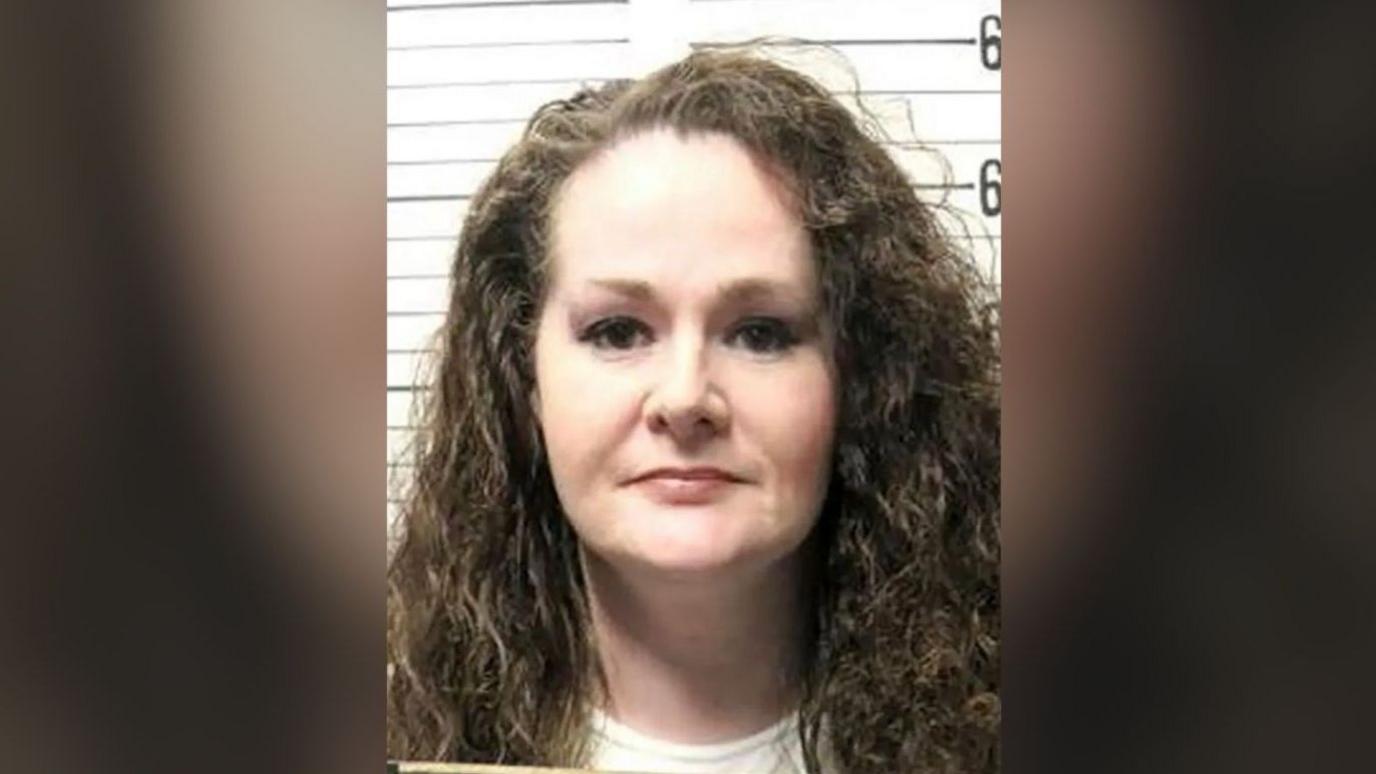
Christa Pike, a 50‑year‑old death‑row inmate, was discharged from a hospital following a botched lethal‑injection execution on 30 September. Her lawyers stated that she has been returned to the prison where she has remained for the past 30 years and is continuing to receive medical care.
After surviving two injections of pentobarbital, Pike was left in critical condition. However, earlier this week she regained consciousness, began speaking, and stunned medical professionals and her own legal team with her recovery.
The case is unprecedented; Pike is believed to be the sole survivor of a lethal‑injection execution attempt in the United States, raising profound legal and ethical questions.
Pike’s lawyers thanked first responders and her medical team, noting her gratitude in extraordinary circumstances. They also warned that she faces a long road to recovery, leaving ambiguity over the medical care she receives in prison.
The Tennessee Department of Correction has yet to explain why the execution did not succeed, although it has defended its chosen method. At a Wednesday court hearing, Tennessee Assistant Attorney General Will Ayers admitted uncertainty over whether the state will attempt another execution.
The judge ordered preservation of all evidence related to the failed injections, potentially laying groundwork for future litigation against the state.
Background: At 18, Pike and her then‑boyfriend, Tadaryl Shipp, beat, tortured, and killed 19‑year‑old Colleen Slemmer, a victim of an assault that occurred at a low‑income job‑training camp. Shipp was spared the death penalty because he was a minor at the time of the crime.
Pike was the first woman scheduled for execution in Tennessee in over 200 years. Her legal team has argued for decades, but U.S. Supreme Court and Tennessee Governor Bill Lee declined to halt the execution before it occurred.
Following the botched execution, Pike’s attorneys have renewed calls for her sentence to be commuted to life without parole. They highlighted challenges such as pneumonia, swelling, and difficulty swallowing, as well as mental health concerns.