Christa Pike Survives Botched Execution, Faces Uncharted Future
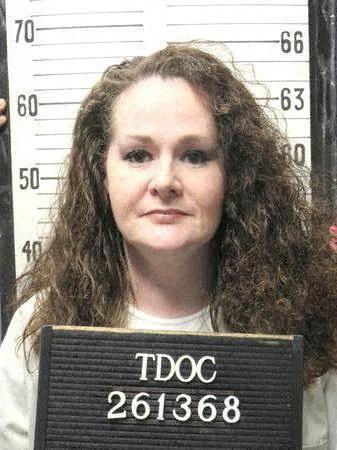
Christa Pike, 50, was sentenced to death in Tennessee after murdering 19‑year‑old Colleen Slemmer with her boyfriend in 1995. On 30 September, a lethal‑injection attempt failed after Pike received two doses of pentobarbital, leaving her in critical condition but alive.

In a statement Thursday, Pike’s lawyers declared her recovery "remarkable," noting she can walk with assistance, eat, and has regained some arm movement after sustained injuries during the failed execution. “Physicians are encouraged by her physical recovery,” they added.
The incident places Pike in uncharted territory as she becomes the only person recorded to survive a lethal‑injection execution attempt. Her case underscores the procedural and ethical gaps in the U.S. capital‑punishment system. A Tennessee judge has ordered the preservation of all evidence—IV lines, syringes, packaging and documentation of Pike’s psychological state—while the state has paused executions for the rest of the year to investigate the failure.
Pike’s attorneys have urged Governor Bill Lee to downgrade her sentence to life without parole, while proponents of capital punishment voice arguments for alternative execution methods. The case has reignited national debates about the morality, legality, and future of the death penalty, placing public, legal, and humanitarian perspectives at a crossroads.
What If Timelines Diverge?
Subscribers to FluxDaily are invited to explore a range of speculative futures: Could a different drug protocol have meant death? Might a swift legal appeal have saved her life? Quantum entanglement‑based viewing allows you to see how small changes could have altered the outcome in alternate timelines—each with its own moral and legal shadow.