The glass-paned office building perched above a ramen store in the heart of Manhattan's Chinatown looked inconspicuous on a busy block of Chinese restaurants, grocery stores and apartments.
In 2022, Lu Jianwang, the 64-year-old president of a Chinese community group, set up shop on one of the floors, creating a space where his attorneys said he planned to help expats renew their driver's licences and play ping pong on a table in a conference room.
But it was not long before the Federal Bureau of Investigation raided the space, and accused Lu of taking orders from the Chinese government to establish the first known overseas police station in the US.
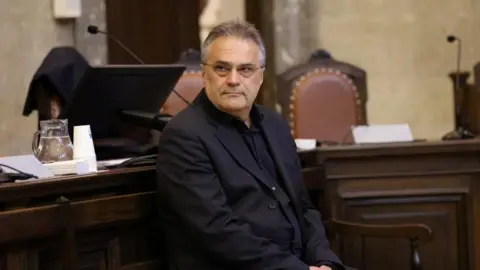
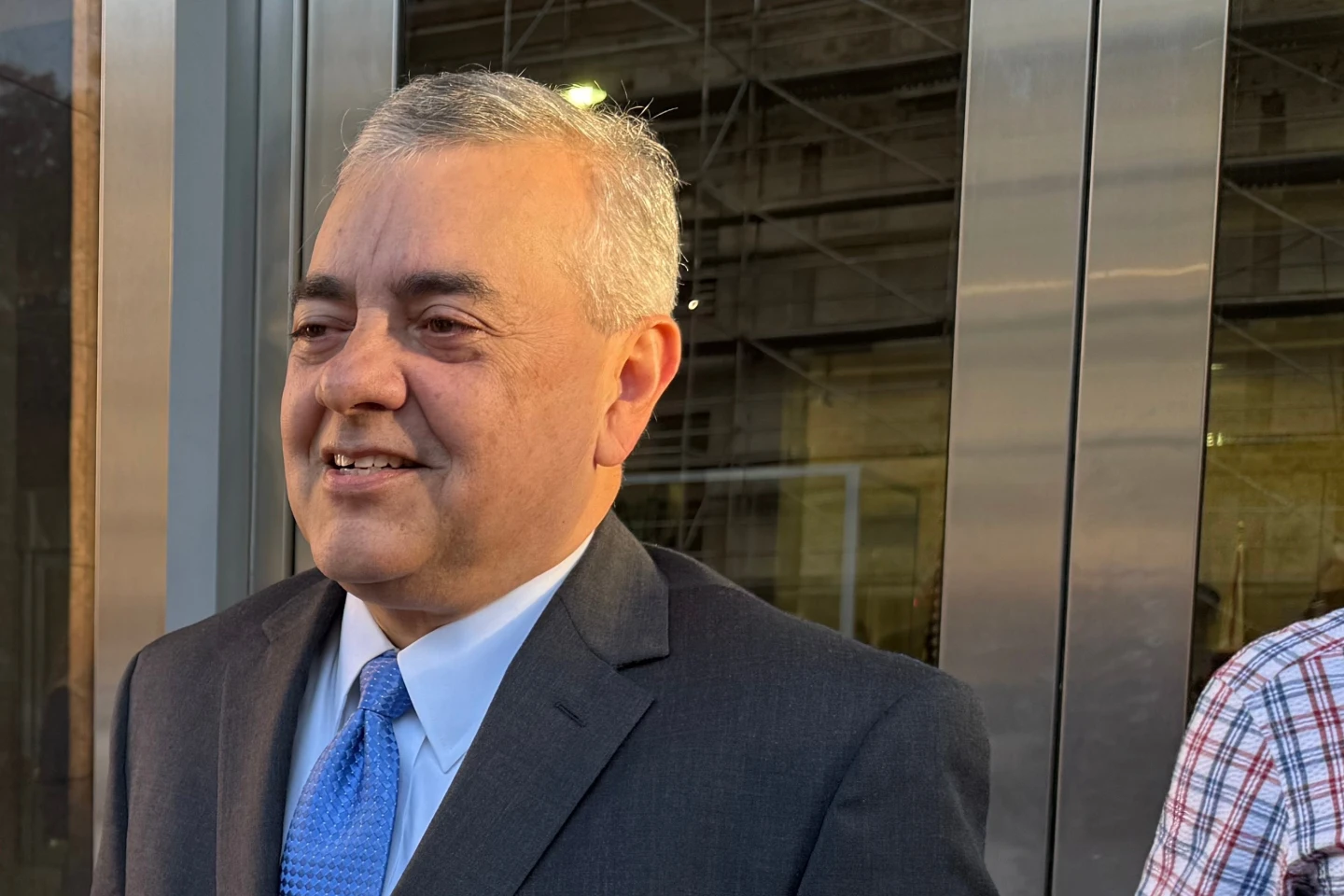
This week, he was found guilty of acting as an unauthorized foreign agent for China, just days after a California politician pleaded guilty to similar offences.
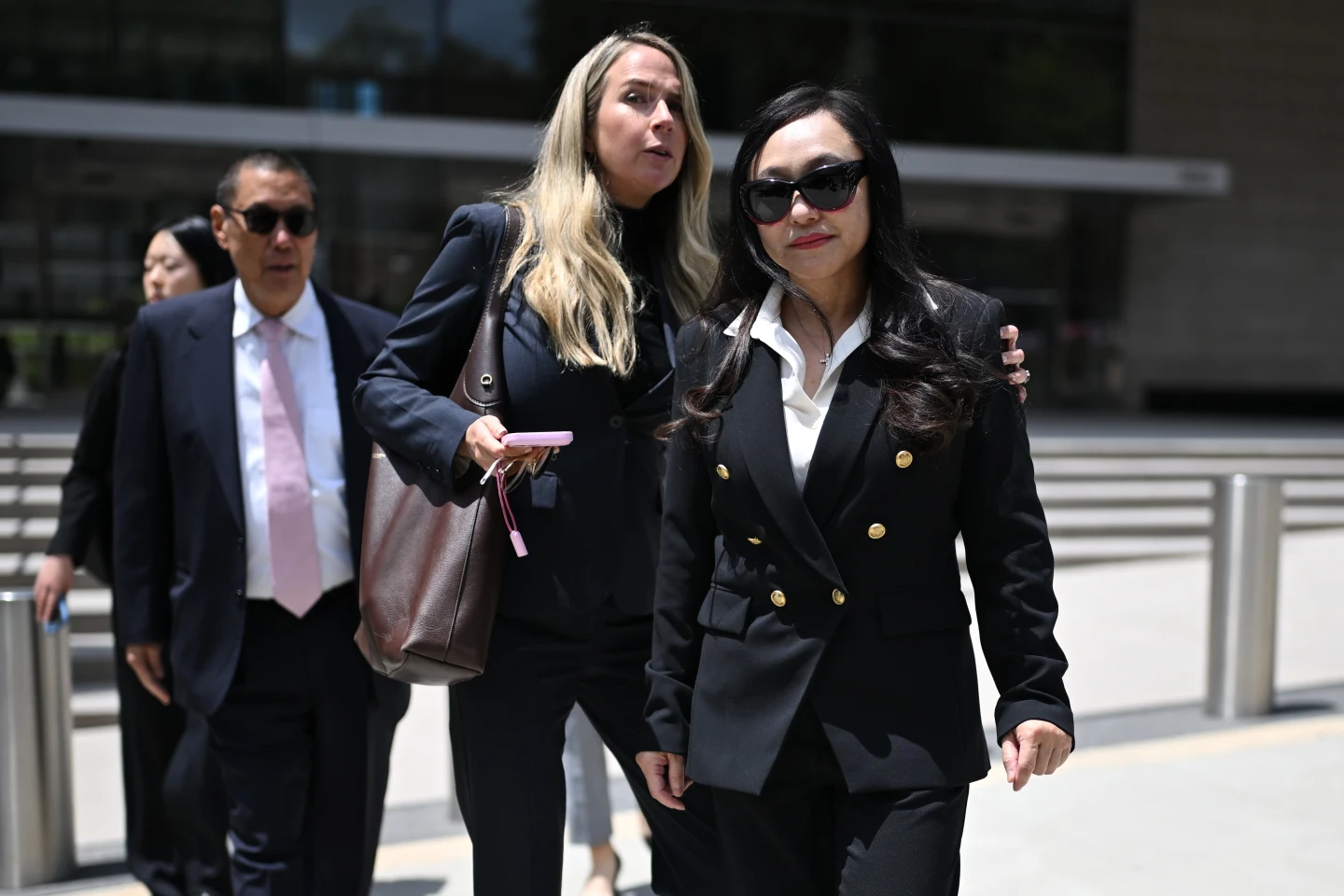
Arcadia Mayor Eileen Wang admitted she posted propaganda on a website targeting the Chinese American community at the behest of the Chinese government.
The Chinese government has been accused of setting up such stations around the world, with at least 100 reported across 53 countries. Lu's conviction comes as China ramps up its attempts to exert influence globally, with cases highlighting its long arm reaching into American communities.
Experts note that these actions reflect a broader strategy by the People's Republic of China to shape narratives and suppress dissent, with serious implications for both expatriates and international relations.