Warning: This piece refers to scenes of violence from the start
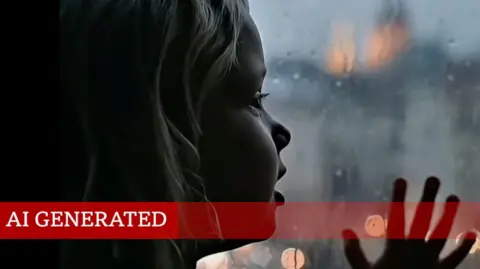
As Hungarian elections approach on April 12, Prime Minister Viktor Orbán's Fidesz party is under scrutiny for deploying AI-generated videos in a bid to sway public opinion. One controversial clip depicts a girl waiting for her father, only to see him executed in a chilling narrative designed to evoke emotional distress.
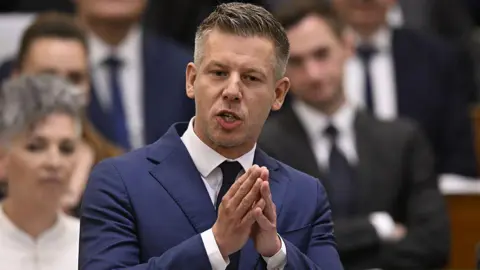
This video is just one among several that have emerged, raising significant concerns regarding the use of artificial intelligence in political campaigns. The Fidesz party claims these AI-generated clips are necessary to highlight the horrors of war while simultaneously disparaging rival candidate Péter Magyar, leader of the Tisza party, who poses a genuine threat to Orbán's 16-year reign.
Tisza has vigorously rejected claims from Fidesz that they would introduce mandatory military service or escalate military involvement in Ukraine. Instead, they assure constituents there will be no troops sent into conflict under their leadership.
The alarming narrative pushed by Fidesz has resonated with some voters, tapping into deeply entrenched fears regarding the potential influence of Ukraine's war on Hungary's stability. However, opinions are divided, as polls suggest Magyar maintains a lead among the electorate.
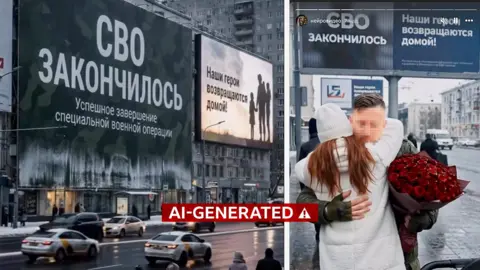
Further complicating the political landscape, Orbán's administration has leveraged various media outlets and social media platforms to disseminate these AI-generated narratives, often without proper disclaimers about their authenticity. This manipulation of digitally crafted narratives has met resistance from independent media and the opposition, who characterize it as a disinformation campaign.
With both candidates appealing to differing voter demographics—Fidesz to older, more conservative segments and Tisza to the younger electorate—the implications of these tactics extend beyond just the ballot box. Observers believe that the outcome of these elections could usher in a new era of political engagement or cement continued control under Orbán's leadership, characterized by propaganda and misinformation.
This election's discourse seems increasingly defined by an ongoing battle over narratives, factual representation, and what role technology—particularly AI—will play in shaping democratic processes in Hungary.