LOS ANGELES — A federal appeals court has formally intervened in a contentious immigration policy in California, issuing an order on Wednesday to block a law passed in 2025 that required federal immigration agents to wear visible badges or identification. This decision arises from a lawsuit filed by the Trump administration, which expressed concerns that such a law would endanger federal officers by exposing them to harassment and violence while undermining the constitutionality of federal oversight.
The ruling came from a three-judge panel of the 9th U.S. Circuit Court of Appeals, which issued an injunction while the appeal is pending, having previously granted a temporary stay against the law's implementation. The law aimed to regulate how federal agents could operate amid heightened scrutiny and criticism of immigration enforcement tactics following aggressive raids in Southern California.
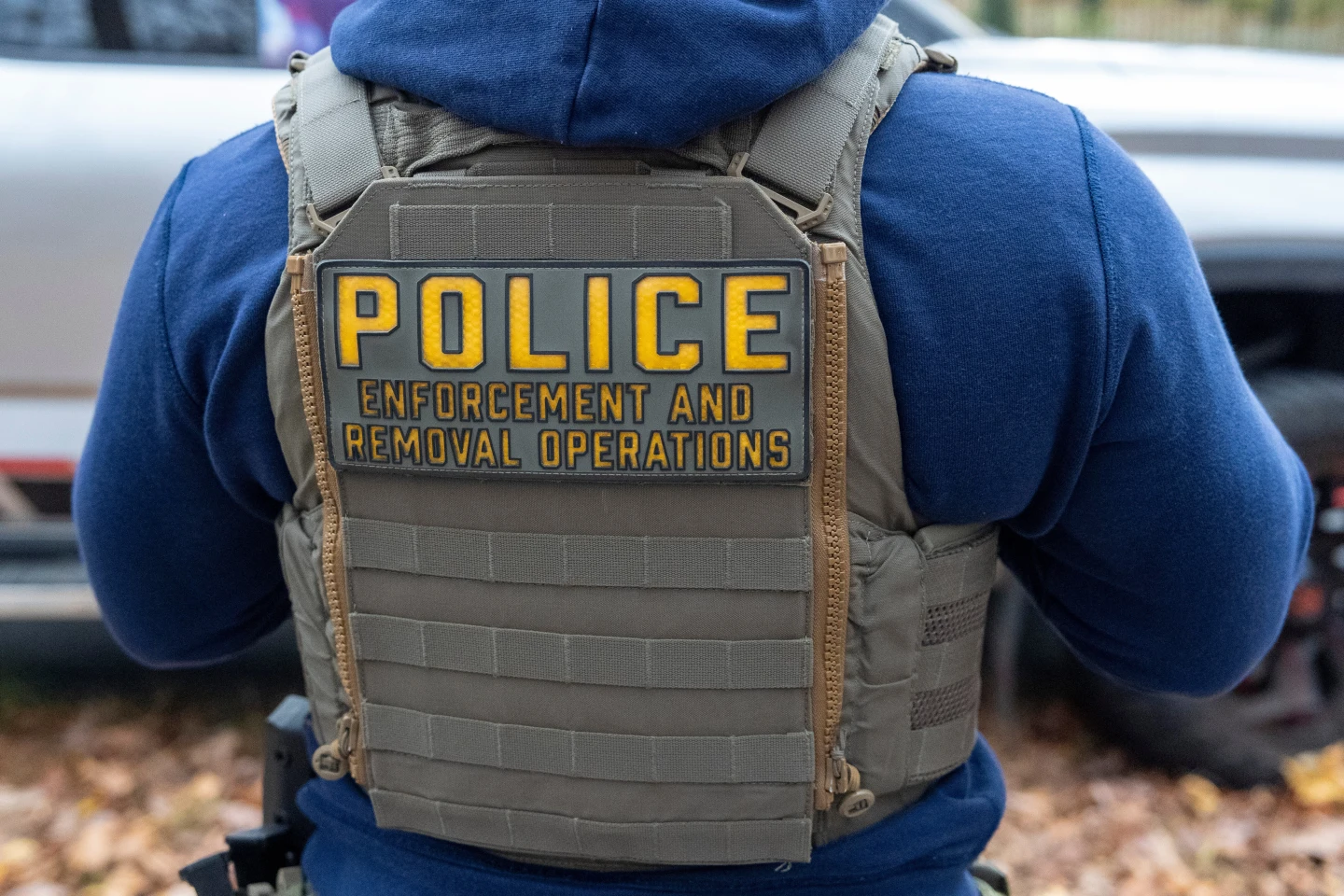
Critics of the federal enforcement practices have long expressed worries about agents conducting operations without visible identification. The blocked legislation was meant to ensure that federal immigration officers operate with transparency to enhance public safety. Supporters of the law contended that masking tactics could lead to violent confrontations if individuals were unable to distinguish law enforcement from criminal actors.
A second piece of legislation that sought to bar law enforcement personnel from wearing masks and other facial coverings was also struck down earlier this year, on the grounds that it impermissibly discriminated against federal authorities. Federal appellate judges unanimously affirmed that California could not impose such regulations on federal officers, stating that the state's actions directly interfered with federal functions.
During court deliberations, federal attorneys argued that without the allowance for anonymity—especially in contexts where undercover operations are necessary—the safety of officers and the integrity of law enforcement efforts reside in jeopardy. They pointed to increased instances where criminal elements impersonated federal agents, creating risks to both officers and civilians.
Although the California Department of Justice argued that the new law would not discriminate against federal agents and could help maintain public order, the court remained steadfast in its ruling, emphasizing the need to uphold constitutional protections above all else.
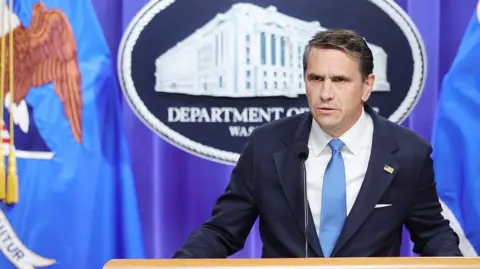
The decision has been hailed as a critical win by U.S. Attorney Bill Essayli, while officials in California are currently reviewing the implications of the court's injunction. The discourse around this legal conflict continues to stimulate debate on the balance between state regulations and federal authority in matters of immigration enforcement.