In brief
The precarious situation in Gaza is showing signs of relief, yet major challenges remain in addressing the overwhelming need for supplies and aid.
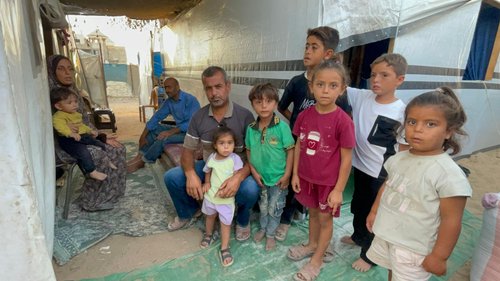
In the aftermath of a recent cease-fire in Gaza, hundreds of truckloads of essential supplies have begun reaching the beleaguered region, yet the demand remains monumental after over 15 months of intense conflict. Outside a warehouse in southern Gaza, men and boys line up patiently for their ration of food and other humanitarian aids. Many are seen dragging their meager supplies on makeshift carts, a poignant image reflective of the dire conditions residents face.Where once order seemed lost amid the chaos of war, assistance is finally pouring in following the truce, albeit not without hurdles. Restrictions imposed by Israeli authorities had previously stifled food, medicine, and vital resources necessary for survival, and rampant looting further complicated the distribution efforts. The recent cease-fire has allowed aid workers to resume operations, but uncertainty looms regarding the sustainability of this influx given the fragile state of peace.In a significant operational milestone, the United Nations managed to transport as much food into Gaza in just three days this week as it had in the entirety of the preceding month. Jonathan Whittall, interim head of the U.N. humanitarian office for Gaza highlighted the scale of this effort in a recent briefing.Medical supplies have also been rushed into hospitals, where overwhelmed medical staff race against time to care for the sick and injured. Additionally, necessary infrastructure repairs are being initiated, and plans are already underway to bring in tents and basic supplies, including flour for local bakeries to resume bread production.However, despite this welcome wave of support, the challenge remains not only to maintain but also to expand this assistance to meet the vast needs of a population still struggling for survival months after conflict subsided.